AlJazera Farsi
روایت خاورمیانه
AlJazera Farsi
روایت خاورمیانه 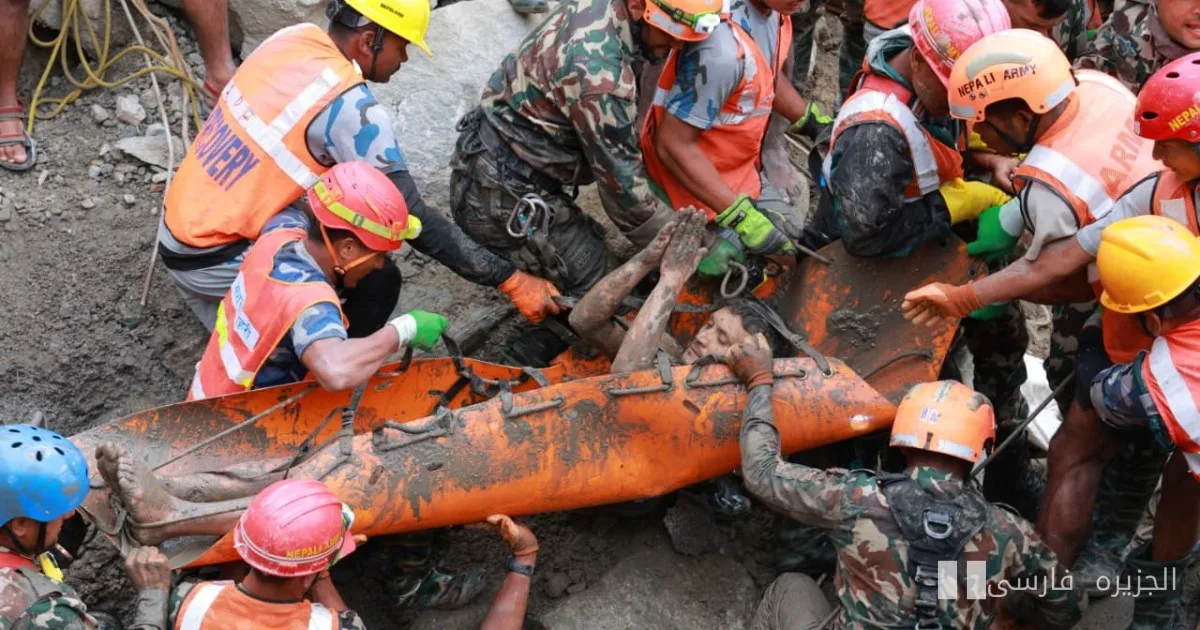
The recent floods in Nepal and China have resulted in a humanitarian and environmental disaster, leading to the deaths of over 1,300 people and affecting the lives of thousands more. Heavy rainfall and river overflow have caused cities and villages to be submerged, severely damaging infrastructure.
Wave of Public Health Risks
In this crisis, over 84,000 people are in urgent need of assistance. In response to this critical situation, the United Nations has launched a global appeal for $50 million. This aid will be used to meet basic needs such as food, clean water, and health services. Given the threat of outbreaks of diseases like cholera and existing health challenges, this assistance will be a matter of life and death for many of these individuals.
Relief efforts have been severely impacted by harsh weather conditions and damaged infrastructure. Access to affected areas has become difficult, affecting the speed of aid delivery. Health experts are concerned that with the increasing number of refugees and poor sanitary conditions, the risk of disease outbreaks will rise significantly.
Need for Global Cooperation
This disaster clearly highlights the urgent need for international cooperation to address crises. In light of climate change and the increasing frequency of natural disasters, countries must work more closely together in prevention and preparedness for such events. In this regard, the global community and non-governmental organizations must quickly step in to assist the victims and provide the necessary resources for reconstruction.
This crisis is not only a humanitarian challenge but should also be seen as a wake-up call for all nations. Is the world prepared to face such disasters? A question that requires immediate and serious action.