الجزیره فارسی
روایت خاورمیانه
الجزیره فارسی
روایت خاورمیانه 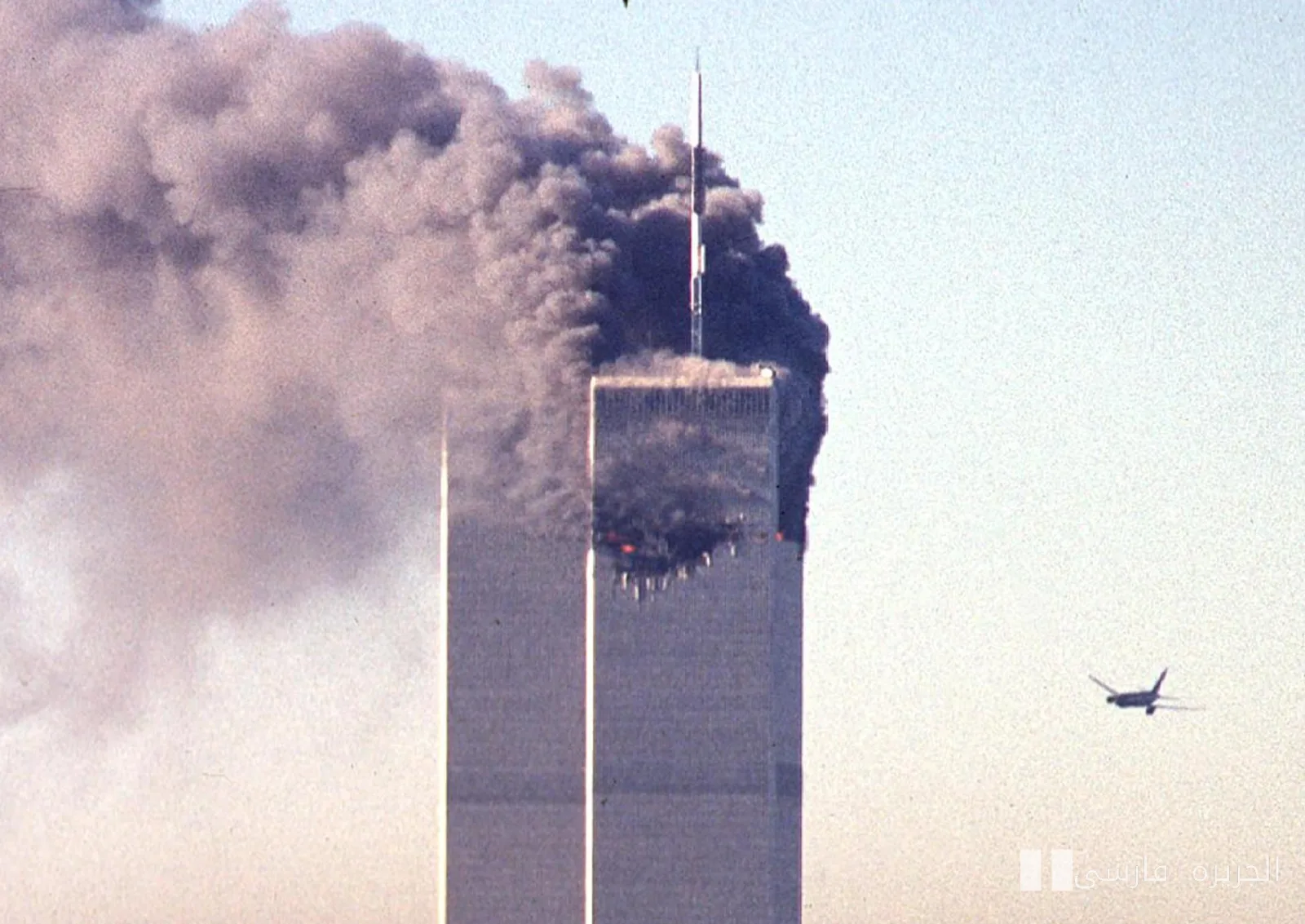
On the morning of September ۱۱, ۲۰۰۱, the then-President of the United States, George W. Bush, was speaking to students in a school in Florida when suddenly terrible news from New York broke. While he was delivering lessons to the children, television screens were broadcasting live dark and heavy images of smoke and fire rising from the two towers of the World Trade Center. This incident not only shook the heart of America but also unprecedentedly altered the course of this country's foreign policy.
Immediate and Widespread Effects
The September ۱۱ incident quickly turned into a national crisis, and the reactions to it were both special and unexpected. The U.S. government declared war on terrorism, attacking various countries including Afghanistan, marking the beginning of a series of wars and military operations that continued for years. Since then, the concept of national security and global threats has changed dramatically, and U.S. foreign policy has been influenced by this event.
New governments, especially in the Middle East, faced serious changes in their approaches. While some countries turned to cooperate with the United States in the fight against terrorism, others reacted strongly against Washington's policies, leading to heightened tensions and new crises in the region.
Changes in Domestic and Global Policies
After this incident, not only did U.S. foreign policy undergo changes, but there was also a significant increase in security and surveillance fervor in domestic policies. New laws were passed that affected many civil rights and raised significant concerns about privacy and freedoms.
Overall, September ۱۱ is considered a turning point in contemporary history, the repercussions of which are still evident in global policies and international relations. This day serves as a reminder of the pain and suffering of many families and simultaneously as a lesson on the power of sudden changes in human history.