الجزیره فارسی
پایگاه خبری و تحلیلی
الجزیره فارسی
پایگاه خبری و تحلیلی 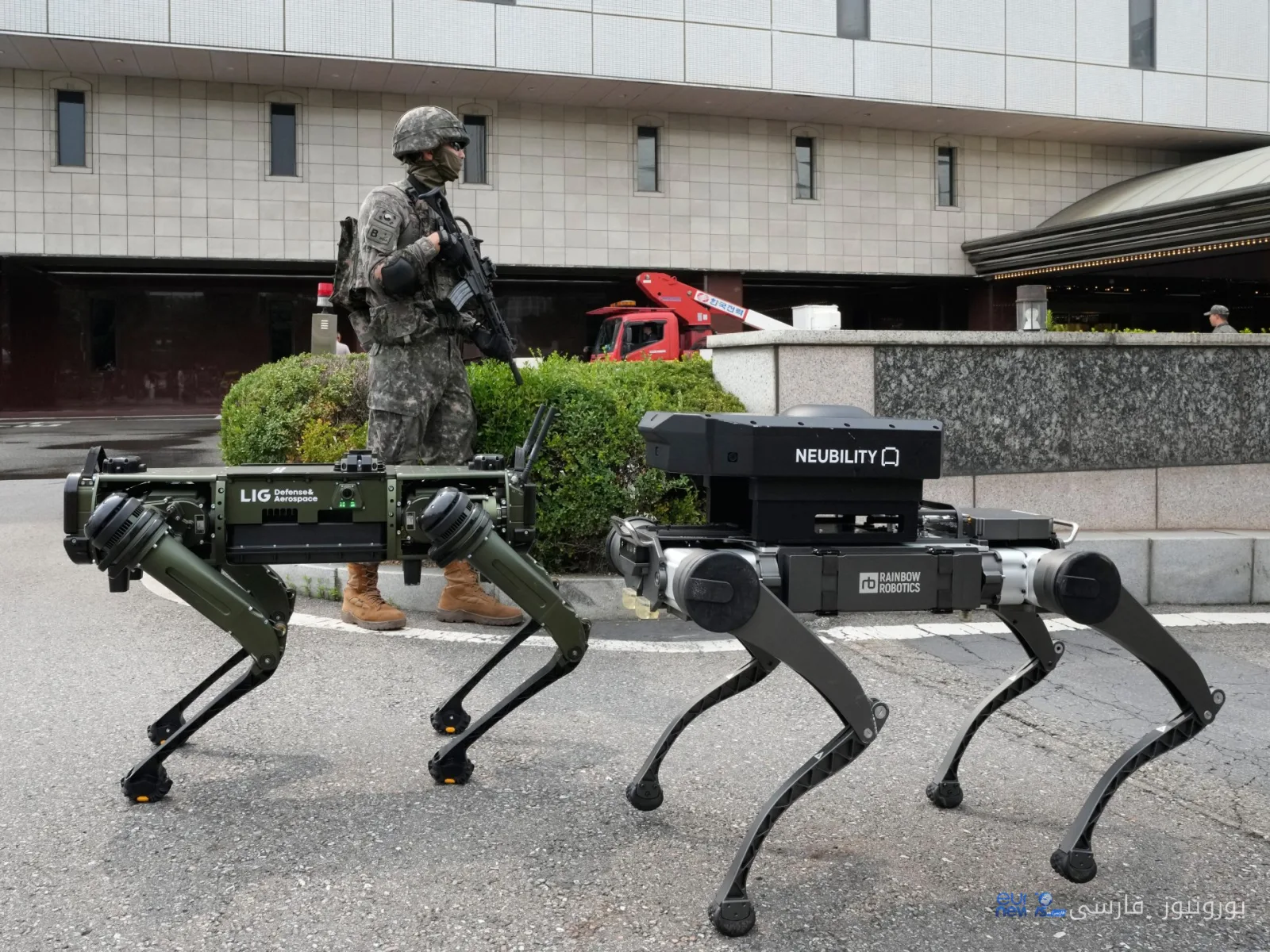
In a major shift in global security, ۱۲۸ countries in the city of Geneva reached an agreement that could lead to the establishment of international regulations for controlling autonomous weapons. This agreement was achieved after a decade of negotiations and complex discussions and seems to be a turning point in global efforts to limit the use of killer robots.
The Future of Autonomous Weapons in Uncertainty
Autonomous weapons, also known as killer robots, are rapidly advancing and developing, raising concerns about the ethical and humanitarian implications of their use. With increasing technological capabilities, these robots are being deployed more frequently on battlefields and may potentially make dangerous decisions without human intervention.
The recent agreement, although non-binding, could serve as a general guideline for various countries to curb the excessive and irresponsible use of such weapons. This document helps countries reach agreements in ethical and legal contexts that could contribute to global security.
Challenges and Criticisms
However, critics believe that non-binding agreements alone cannot solve the problems arising from autonomous weapons. They emphasize that in the real world, technology is advancing rapidly, and different countries may choose to invest in the development and enhancement of autonomous weapons instead of adhering to this agreement.
This agreement could also be seen as a positive sign of global cooperation in the field of security, but will major and powerful countries truly adhere to this agreement? This is a question that will be answered in the future.