Al Jazara
روایت خاورمیانه
Al Jazara
روایت خاورمیانه 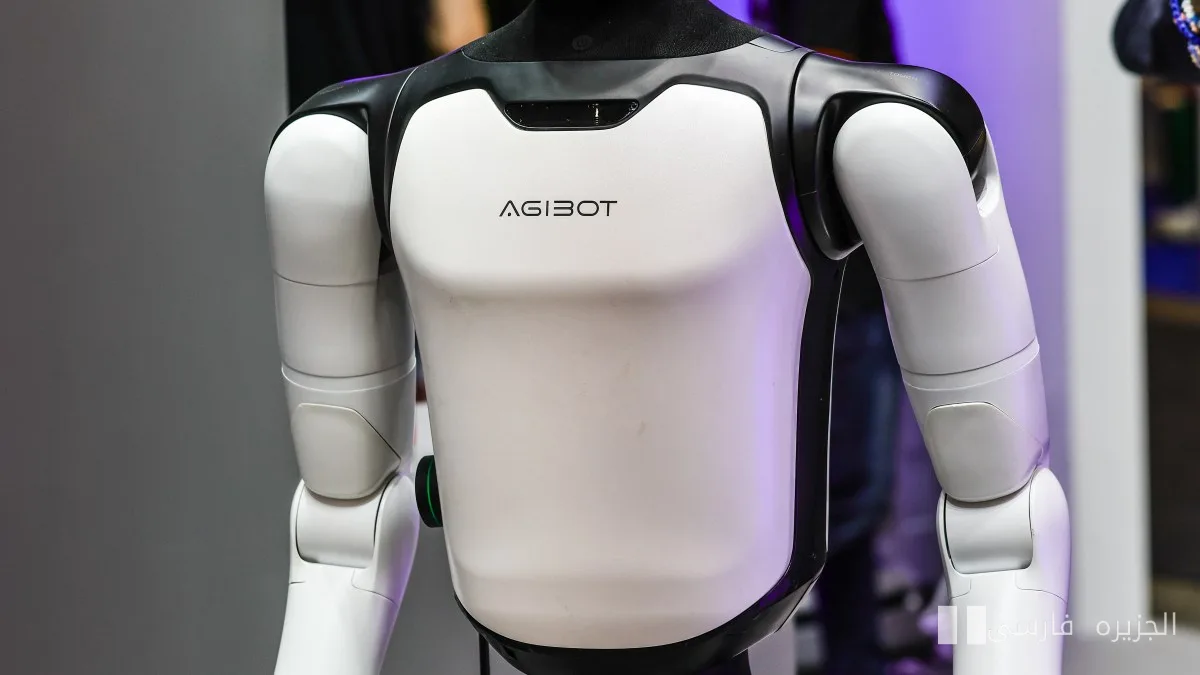
Dario Amodei, CEO of Anthropic, criticized the rapid advancement of artificial intelligence in an article on Saturday morning and called for restrictions on the sale of AI chips to China. He warned that these advancements could pose serious risks to humanity.
Risks of AI Advancement
Amodei stated in his article that the speed of AI capability advancements is so great that within the next 6 to 12 months, a robotic network could dominate the internet and cause damages worth hundreds of billions of dollars. He suggested that governments and researchers gradually manage these risks.
Read more: Opportunities and Challenges of AI: Are Entry-Level Jobs at Risk?
He also pointed to the risks posed by China's advancements in AI and called for maintaining restrictions on advanced chip-making equipment for China. Amodei noted that China's claim to produce improved AI models is a serious threat to the national security of the United States and the world.
China's Reaction and International Tensions
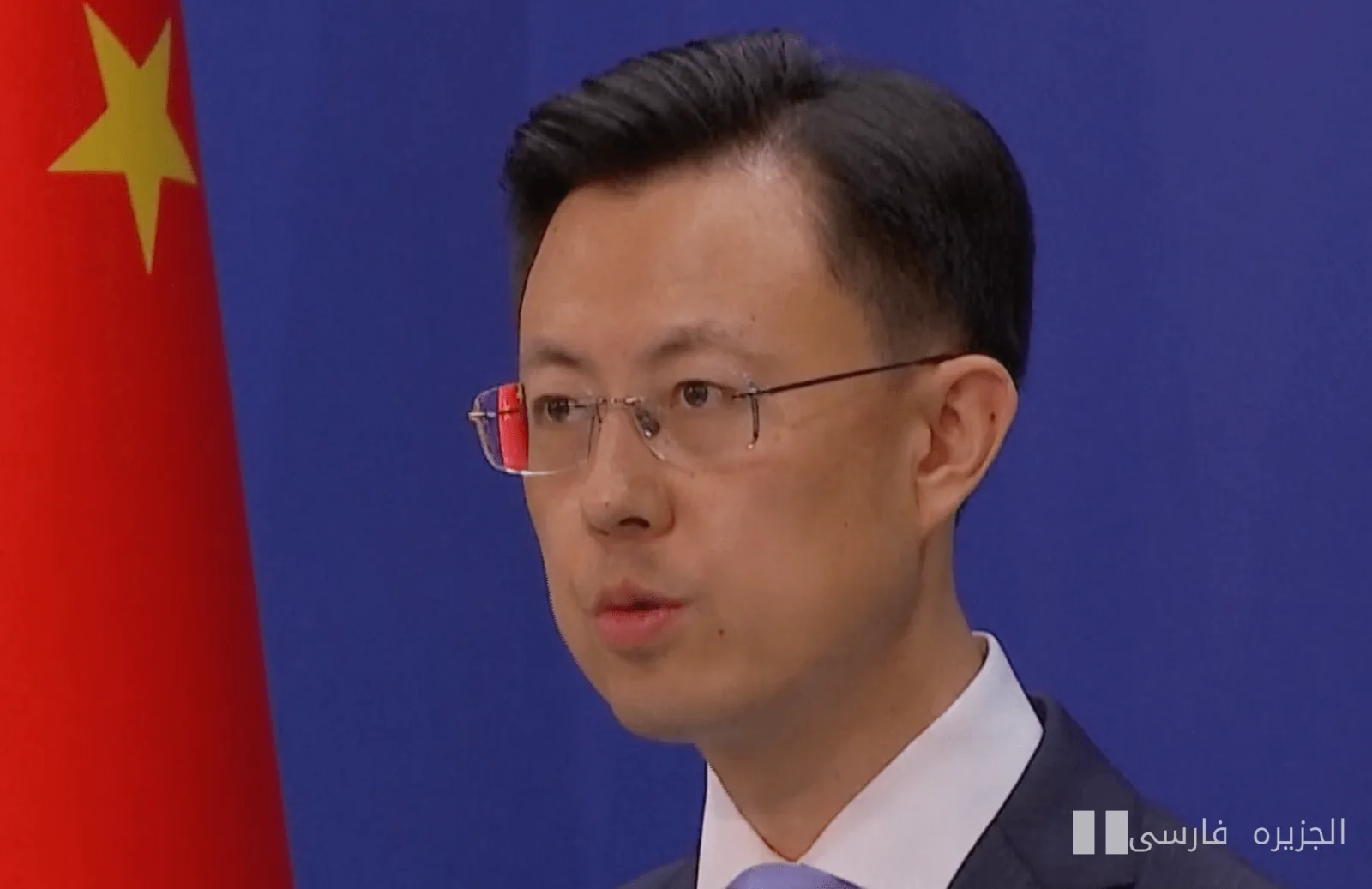
In response to these remarks, China's Foreign Ministry on Monday urged countries to adopt an open and inclusive approach to AI. The ministry's spokesperson, Guo Jiaqiao, stated: "Provoking various threats and hostile competition will only disrupt the global management of AI and benefit no one."
Additionally, Chinese state media portrayed Amodei as a player in the AI Cold War and viewed his suggestion as an attempt to limit China's AI development and maintain U.S. technological superiority. According to these media, this "silent AI Cold War" is unfair and shortsighted.
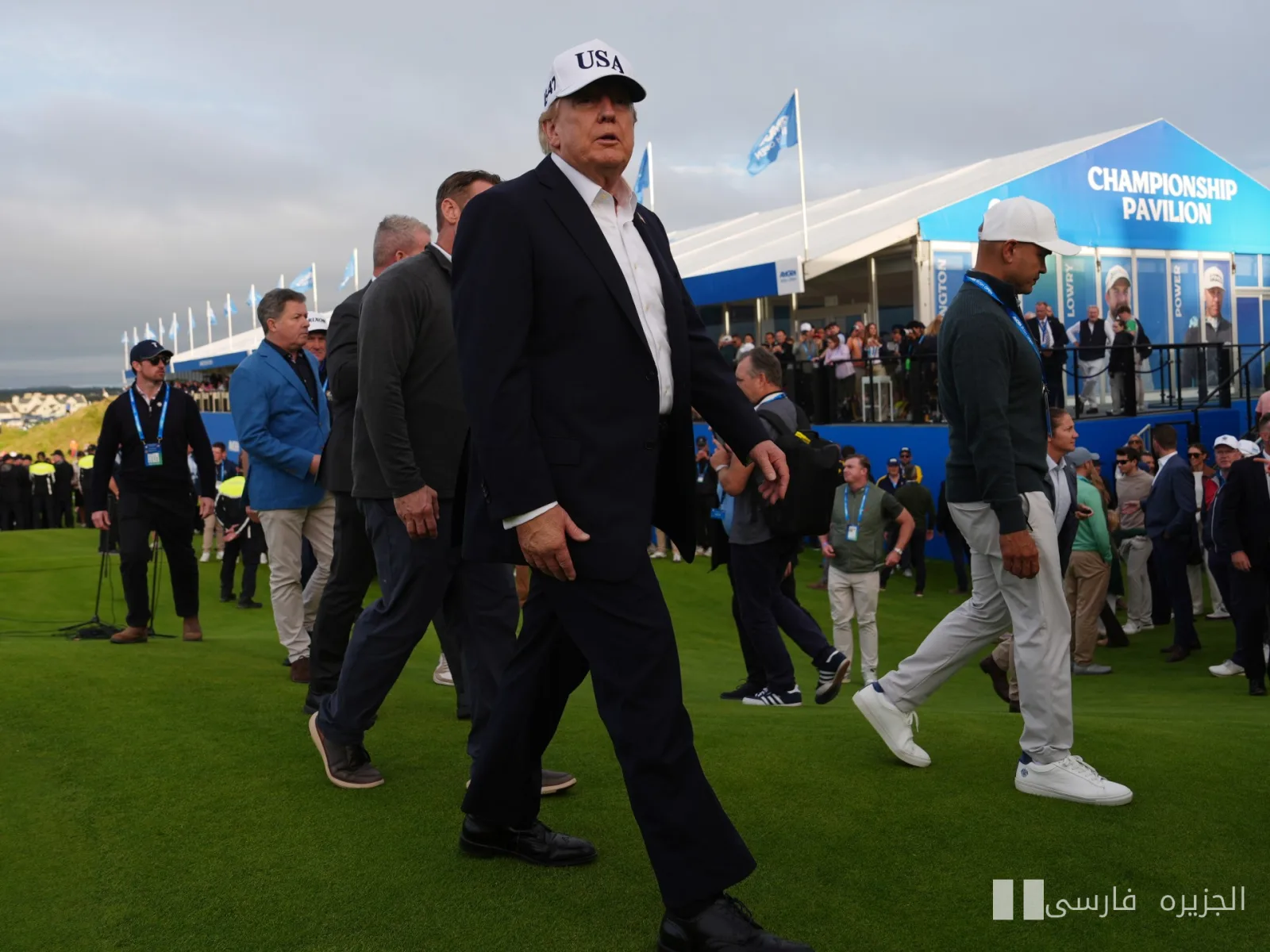
Meanwhile, Donald Trump, the President of the United States, responded to Amodei's criticisms on Sunday, describing some concerns as exaggerated. He emphasized that the United States is a leader in AI and must maintain that status.
On the other hand, statistics show that American companies continue to lead in investment and production of advanced AI models. According to reports from Stanford University, by 2025, American companies will have invested $285.9 billion in this field, while China has allocated only $12.4 billion.
However, Chinese companies have shown that they can produce resilient AI models despite U.S. restrictions. For example, the Chinese startup DeepSik attracted significant attention in January by announcing that its models were developed at a much lower cost than their American competitors.
As tensions between Washington and Beijing regarding AI have increased, both countries are seeking to use this technology for their national and military purposes. The Trump administration issued an order last June to accelerate the use of AI in U.S. intelligence and military sectors.
Read more: The Future of Instagram's Algorithm; Brands Will Dominate the Virtual Space! · Controversial Request from Pakistan to Iran and the U.S. to End the War