الجزیره فارسی
روایت خاورمیانه
الجزیره فارسی
روایت خاورمیانه 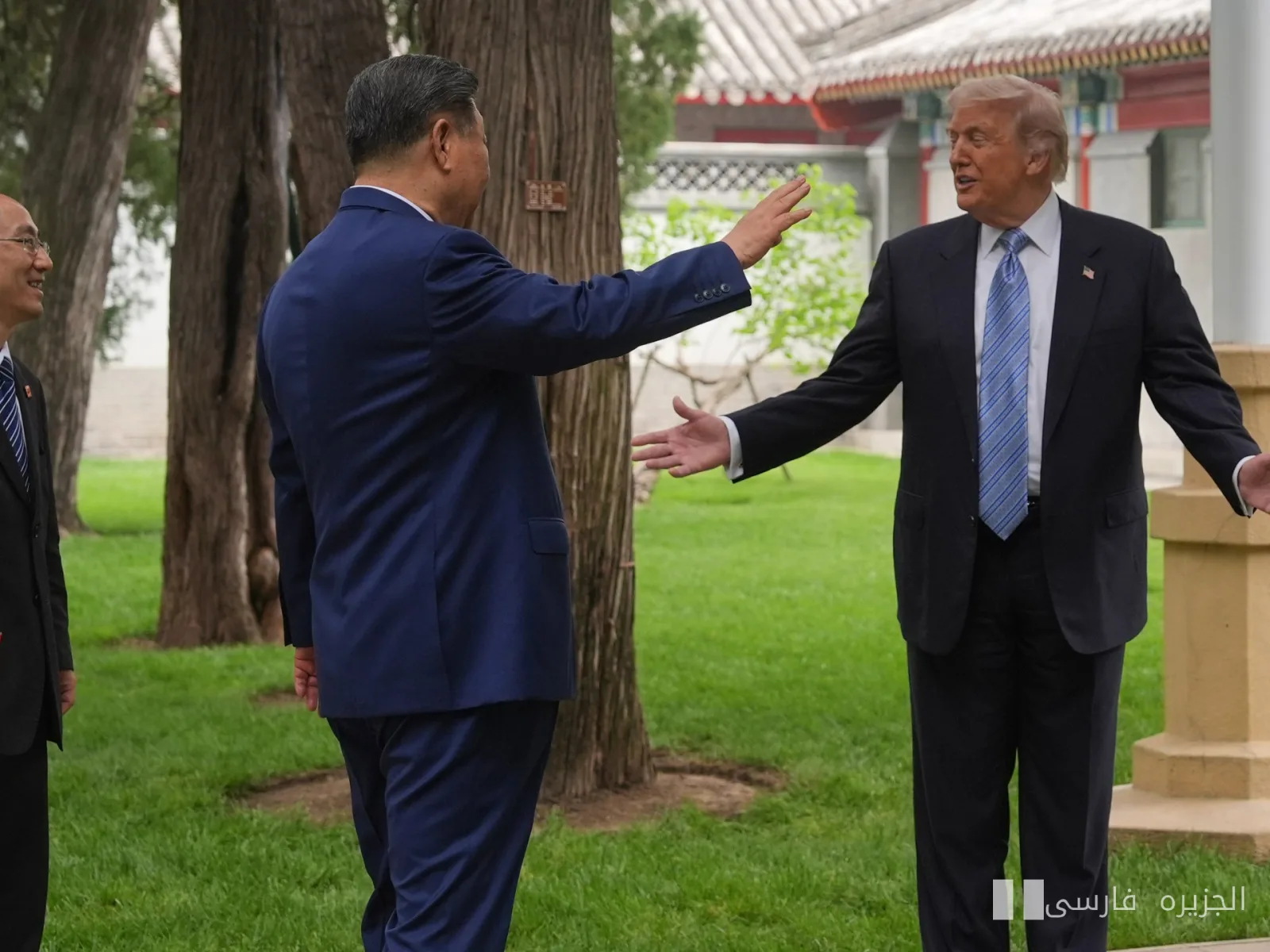
In the complex world of international politics, the relationship between the United States and China is moving towards a cautious calm. This shift is driven by a careful examination of shared interests and the potential costs of confrontation. Although efforts to manage the competition between the two countries continue without a final judgment, serious obstacles still exist in the way of agreements and international cooperation.
Fundamental Challenges in US-China Relations
The Taiwan issue and technological competition are the two main axes of tension in this relationship. Taiwan, as a sensitive issue, not only brings security concerns but is also recognized as a symbol of China's national identity. On the other hand, competition in the technology sector, especially in areas like artificial intelligence and ۵G, has intensified economic and political tensions.
China is seeking to expand its influence in global markets and create independent supply chains, which could pose a threat to US economic interests. Meanwhile, the United States is looking to strengthen its alliances and create a united front against China. This approach could impact the fate of the relationship between the two countries.
An Uncertain or Bright Future?
Will these efforts lead to a sustainable agreement or is it just a temporary calm in the relations of these two global powers? Given the rapid developments in the global arena and the ongoing changes in policies, predicting the future of this relationship is difficult. However, what is clear is that both countries are seeking a way to manage tensions and protect their interests.
It seems that in today's world, diplomacy and continuous dialogue are the only paths that can lead to a reduction in tensions and improvement in relations. As observers examining these developments, we must wait and see whether these two major rivals can achieve a new balance or not.