Al Jazara
روایت خاورمیانه
Al Jazara
روایت خاورمیانه 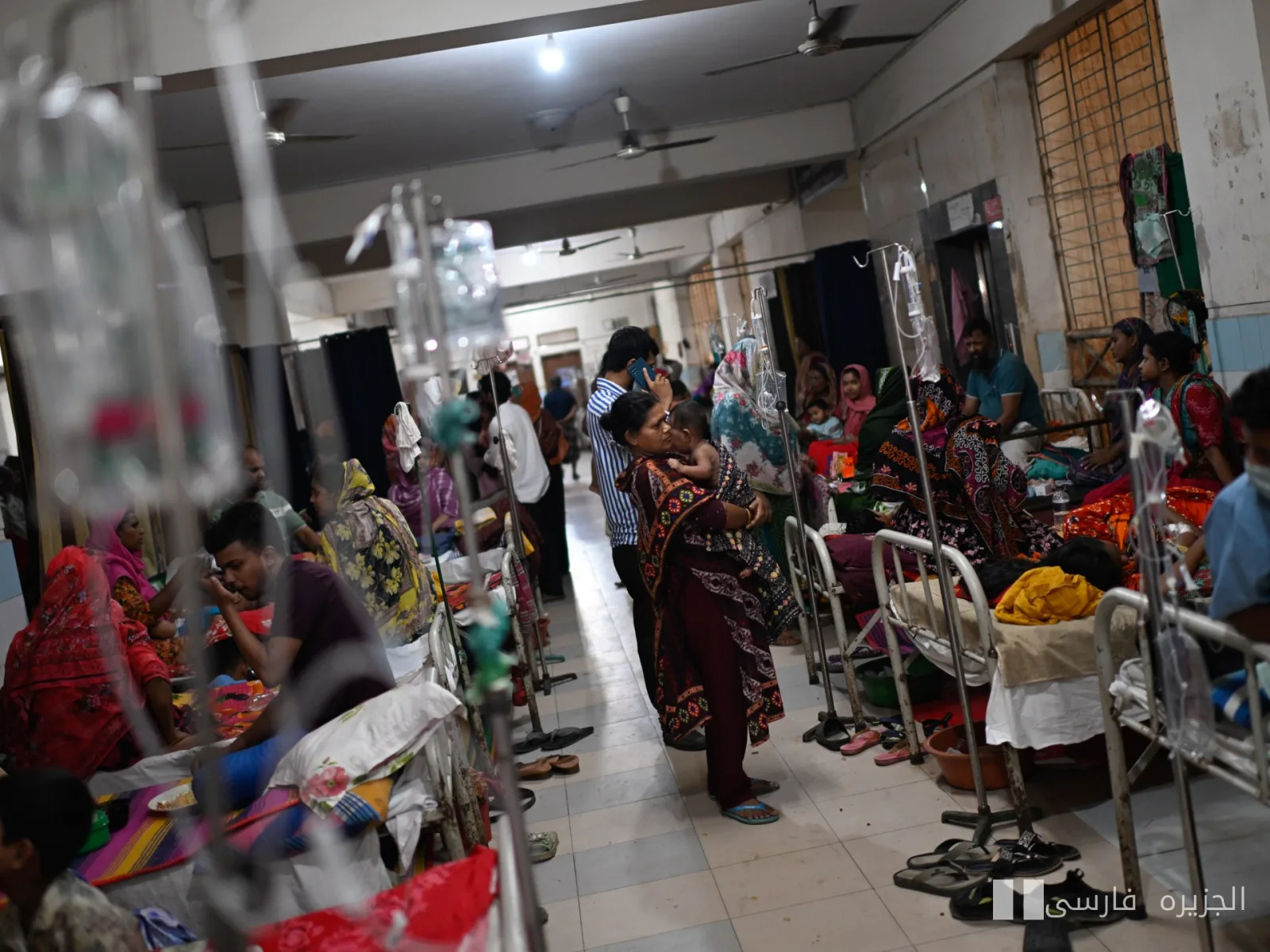
Bangladesh is in a critical situation where the measles epidemic threatens the lives of thousands. Despite extensive vaccination programs that include over 20 million doses of measles vaccine, the country has lost more than 1,000 people to this disease in the past six months. This alarming situation highlights the serious challenges and obstacles in Bangladesh's healthcare and vaccination system.
Vaccination Challenges in Bangladesh
Despite extensive efforts for vaccination, many individuals still refrain from receiving them due to a lack of resources, limited access to healthcare services, and a lack of awareness about the importance of vaccines. Additionally, inadequate healthcare infrastructure and insufficient education in rural communities hinder access to healthcare services. These factors have contributed to the rising incidence of measles in the country.
Read more: Mental Health Crisis in Children: Kids Entering the Emergency Department
Consequences of the Measles Epidemic
The outbreak of measles in Bangladesh not only threatens lives but also places a heavy financial and social burden on the government and society. Since measles is a highly contagious disease, controlling it requires cooperation and joint efforts from the government, health organizations, and the community. Given the current situation, public health experts emphasize the need for increased education and awareness regarding vaccines and infectious diseases.
As part of efforts to control this epidemic, health authorities have implemented programs to strengthen the healthcare system and improve access to vaccines. However, these measures alone are not sufficient, and there is a need for everyone to pay more attention to the importance of vaccination and methods of preventing infectious diseases.
Read more: London Underground Workers, Victims of Unprotected Asbestos · Deadly Ebola Epidemic in the Democratic Republic of Congo: Over 7,000 Cases Recorded