الجزیره فارسی
روایت خاورمیانه
الجزیره فارسی
روایت خاورمیانه 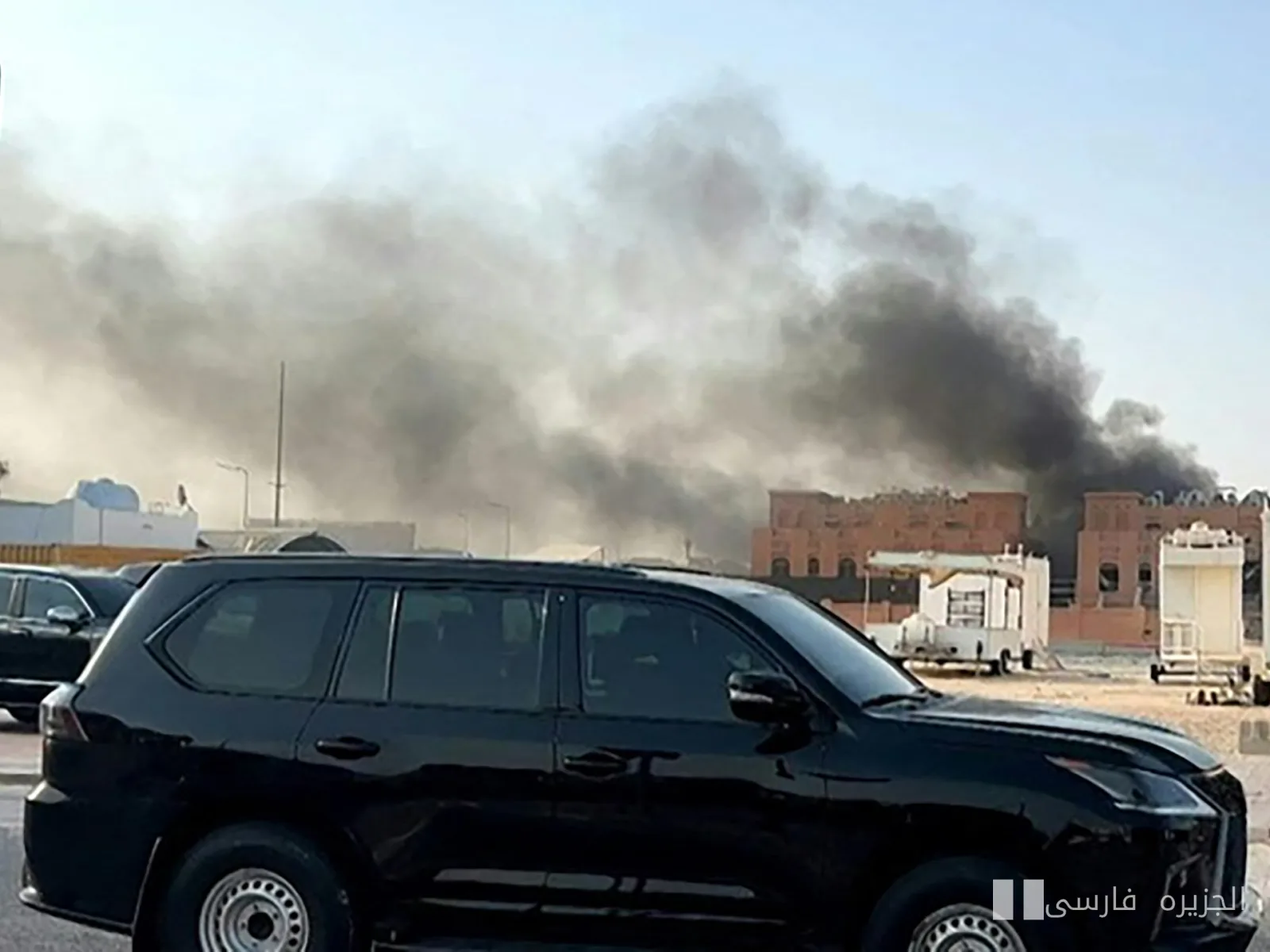
In recent days, the recent attacks on Hamas negotiators in Doha have sounded a new alarm for diplomatic processes in the Middle East. These developments not only affect the security of Qatar but also impact regional equations. It seems that despite Qatar's efforts to play a mediating role, security threats could undermine these efforts.
Security Impacts on Diplomacy
Successful diplomacy, especially in critical areas like the Middle East, is heavily dependent on the security of the countries acting as mediators. Qatar, as a key player in negotiations between Hamas and other groups, needs to maintain security and stability within its borders. Recent attacks could challenge this security and lead to a decrease in confidence in the negotiation process.
Moreover, maintaining an effective communication channel between the conflicting parties requires a secure environment where the parties can easily engage in dialogue. Given these conditions, strengthening Qatar's internal security has become one of the main priorities. This issue is not only significant for Qatar itself but also holds special importance for the strategic interests of the United States and regional security.
U.S. Strategic Interests and Qatar's Role
The United States, as a major global player, has always sought to maintain stability in the Middle East. Therefore, Qatar's security and the preservation of its diplomatic channels are considered a fundamental condition for success in regional diplomacy. In this regard, enhancing military and economic cooperation and support for Qatar could be proposed as a key strategy to prevent the escalation of tensions in this critical region.
Ultimately, there are many questions about the future of Qatar's diplomacy and its capacity to continue mediating activities. Can Qatar cope with the existing security challenges and maintain its role in the developments of the Middle East? Time will tell.