الجزارا فارسی
روایت خاورمیانه
الجزارا فارسی
روایت خاورمیانه 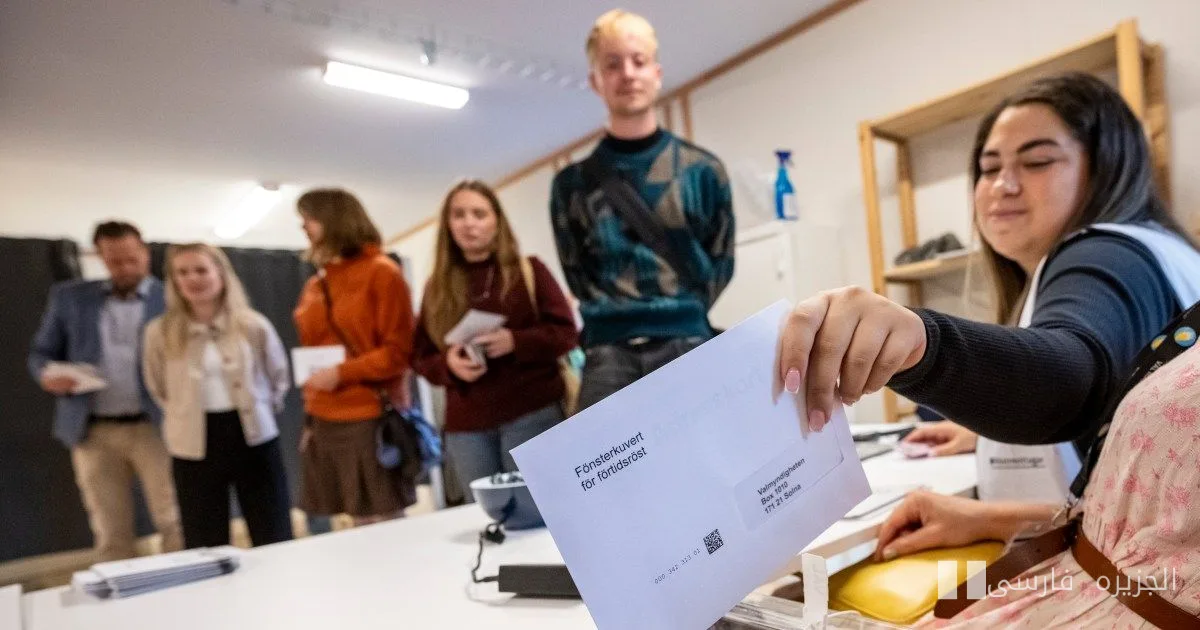
Center-left parties in Sweden have emerged as the frontrunners in the country's general elections held on Sunday, securing 51.3 percent of the votes. This preliminary result indicates potential changes in Sweden's political and social structure and could have profound implications for how the country is managed in the coming years.
Election Details
The general elections in Sweden took place on September 17, 2023, with over 7 million voters participating. According to initial statistics, center-left parties, including the Labour Party and the Green Party, have received strong support from voters. This support has been particularly noticeable among young people and the middle class.
Initial results indicate that right-wing parties, which have traditionally had strong bases in Sweden, are facing a decline in votes this time. These changes could signify a shift in the political and social priorities of the country.
Political Implications
The lead of center-left parties could lead to major changes in the country's economic, social, and environmental policies. Many analysts believe that these parties may seek to strengthen welfare policies and increase social budgets.
Moreover, these results could also impact Sweden's relations with other countries and international organizations. With the rise of center-left parties, Sweden is likely to adopt stronger positions on environmental and human rights issues.
As the next stages of government formation approach, political complexities and management challenges will lie ahead for the center-left parties. They will need to collaborate with other parties to establish a stable and effective government.
Read more: Sweden elections; intense competition for the entry of right-wingers into the government · The September 12 coup; a bitter reminder of Turkey's history from the President's Communication Center head