الجزیره فارسی
روایت خاورمیانه
الجزیره فارسی
روایت خاورمیانه 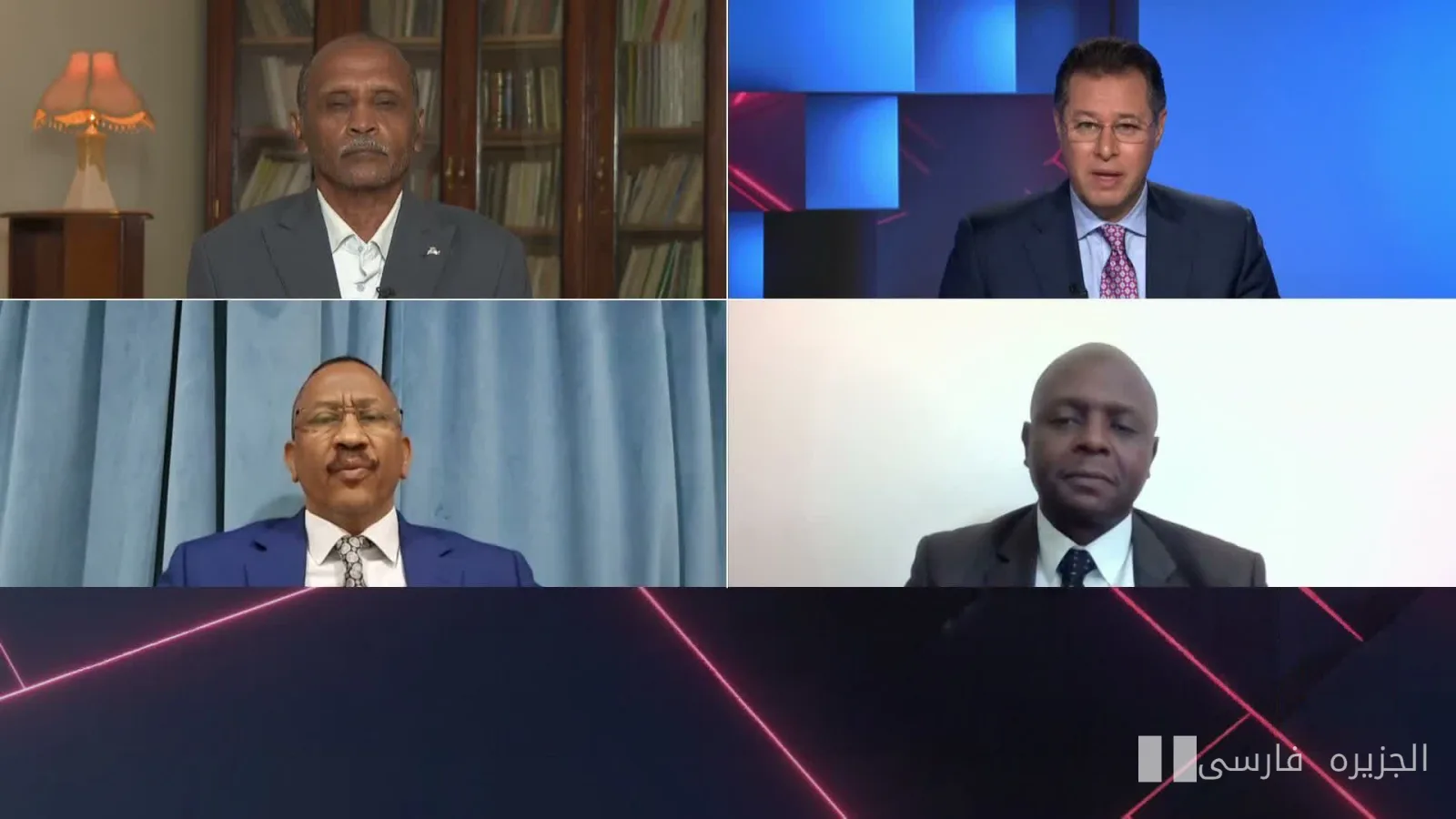
As the crisis in Sudan intensifies, the two major military forces of the country are engaged in a ruthless war with each other. This conflict, which has led to widespread killings and displacement, has not only affected the lives of the people but has also become a serious challenge for the international community. Many experts believe that in such circumstances, the pathways to establishing peace and stability have been significantly limited.
Rival Powers and an Uncertain Future
In the political scene of Sudan, the two main forces, the army and the Rapid Response Forces, are each seeking to gain absolute power. These two groups, which have traditionally been at the helm of Sudan's political system, are now in a military confrontation whose consequences could lead to profound social and economic changes. Meanwhile, the people of Sudan are facing complex livelihood and humanitarian crises that require immediate attention.
Furthermore, given the dire humanitarian situation and the immediate needs of the people, the international community is also under significant pressure to take actions to assist Sudan. But the question remains whether this aid can help establish peace and stability in the country or not?
Opportunities for Peace or Continuation of War?
While some analysts believe there are opportunities for negotiation and peace, others point out that the current conflicts reflect the depth of the crisis and the political complexities in Sudan. Therefore, the future of this country heavily depends on the ability of domestic and international powers to create a sustainable and meaningful agreement.
In light of all these issues, the future of Sudan remains ambiguous and uncertain. Will the people of this country be able to overcome this crisis and achieve a better life? Or will this war continue, making life more difficult for millions?