الجزیره فارسی
روایت خاورمیانه
الجزیره فارسی
روایت خاورمیانه 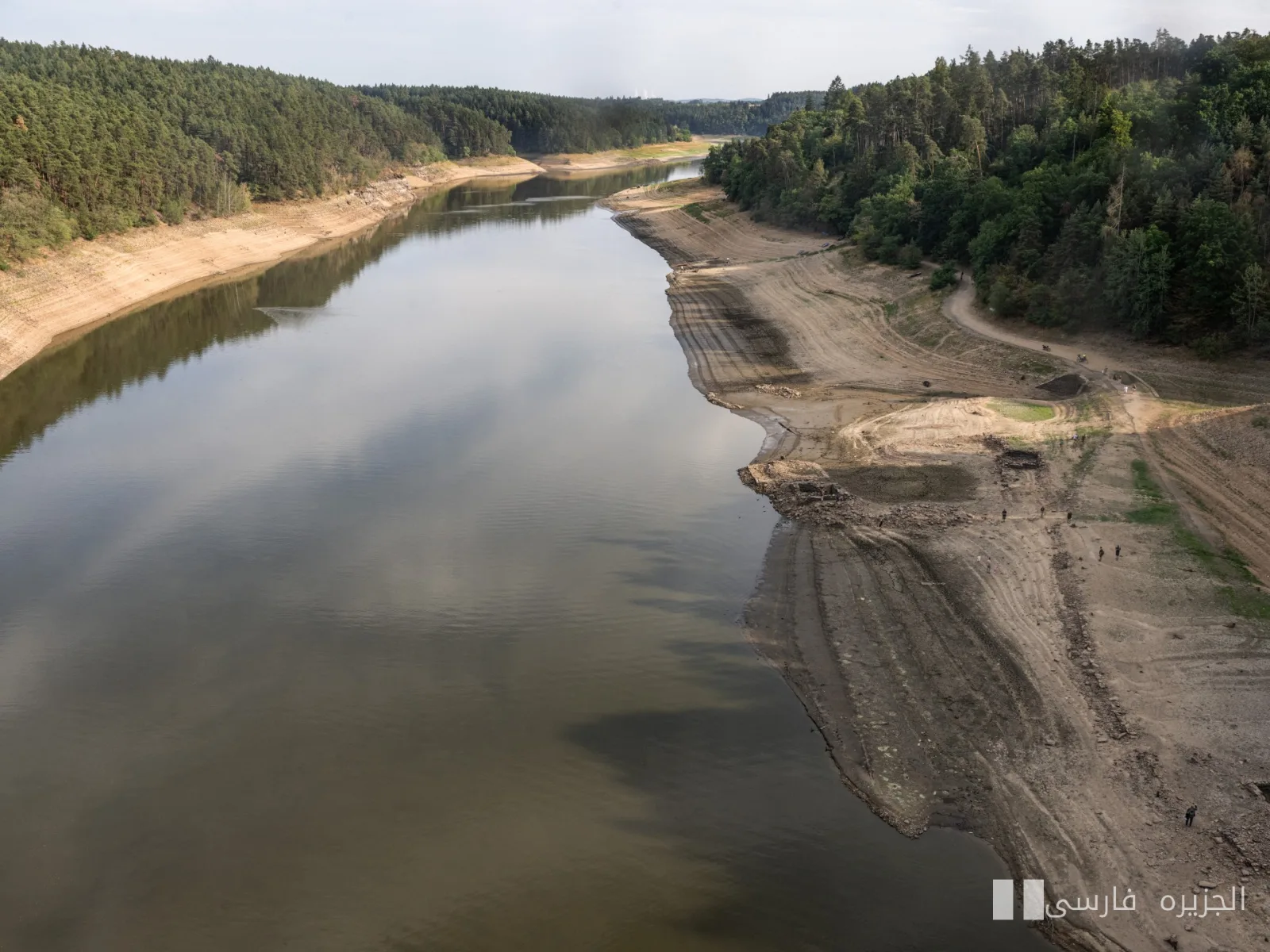
Currently, various rivers across the globe are alarmingly turning into "dead zones." These changes, due to the continuous decline of dissolved oxygen in the water, have posed serious threats to aquatic life and aquatic ecosystems. This crisis is particularly evident in tropical rivers, where aquatic life has been severely impacted.
Risks from Oxygen Depletion
The decrease in oxygen in the water directly affects the food chain of aquatic life, leading to widespread mortality among various species. Fish, crustaceans, and other aquatic organisms that require oxygen are severely affected under these conditions. This situation could lead to the complete destruction of aquatic ecosystems, and its harmful effects will soon be felt along the shores and areas near the rivers.
Factors Contributing to This Crisis
There are multiple reasons for this oxygen depletion. Industrial pollution, agricultural runoff, and urban wastewater have significantly degraded water quality, thus endangering the natural oxygen levels in the waters. Additionally, climate change and rising temperatures have also influenced this phenomenon, making conditions more difficult for aquatic life. In fact, this crisis is not only a threat to aquatic life but could also lead to a larger environmental crisis that will affect human life as well.
Given these circumstances, there is a pressing need for immediate and serious action. Protecting water resources and reducing pollution must be prioritized. This challenge can only be addressed through international cooperation and effective actions at both local and global levels.