الجزارا فارسی
روایت خاورمیانه
الجزارا فارسی
روایت خاورمیانه 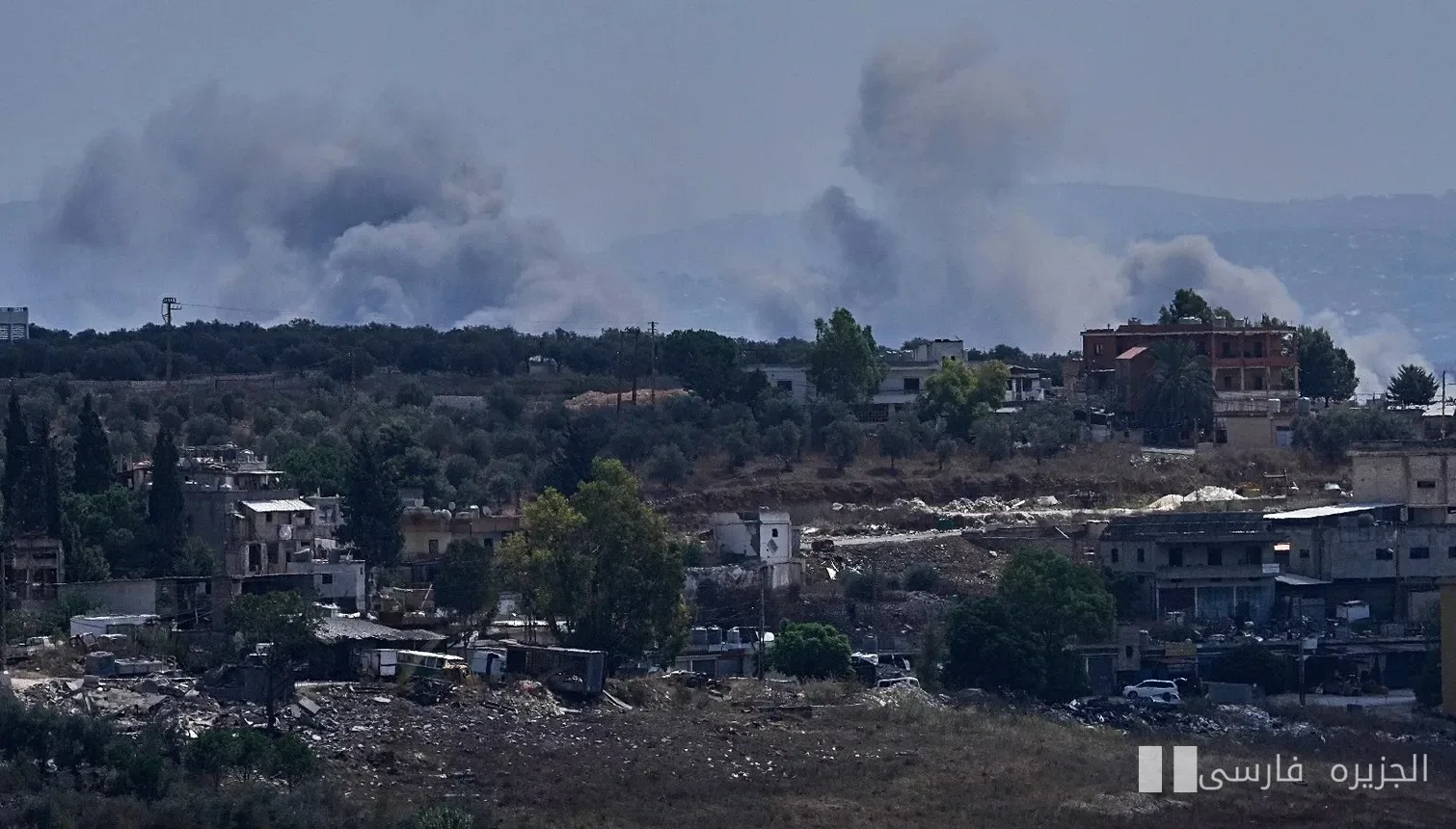
In a new move, the Israeli army recently succeeded in destroying a network of underground tunnels belonging to Hezbollah in the Ali al-Taher heights located in southern Lebanon. This operation was carried out using over 1,100 tons of explosives and, according to Israeli officials, its aim was to destroy infrastructure designed for carrying out attacks against Israel.
Underground War and Its Consequences
Given the escalating tensions in the region, this action by Israel can be seen as a new phase in the underground war between Israel and Hezbollah. The destruction of these tunnels will not only have a direct impact on Hezbollah's operational capabilities but may also lead to increased political and military tensions in Lebanon and its surroundings.
Meanwhile, negotiations taking place in Rome to reduce tensions and find diplomatic solutions are still ongoing. American officials believe that these negotiations could help reduce conflicts and prevent a broader war. However, given recent developments, it seems that diplomacy is facing serious challenges and may not be able to quickly achieve the desired outcome.
The Future of Tensions in the Region
The destruction of Hezbollah tunnels is just one part of the complex security equation in the region. This action may provoke retaliatory responses from Hezbollah and its allies, leading to an escalation of conflicts. In this context, the role of global powers, especially the United States, in managing this crisis is of particular importance.
Ultimately, it remains to be seen whether the ongoing negotiations in Rome can lead to calm in this turbulent region or whether tensions will continue and the underground war will reach a new level of conflict.