الجزیره فارسی
روایت خاورمیانه
الجزیره فارسی
روایت خاورمیانه 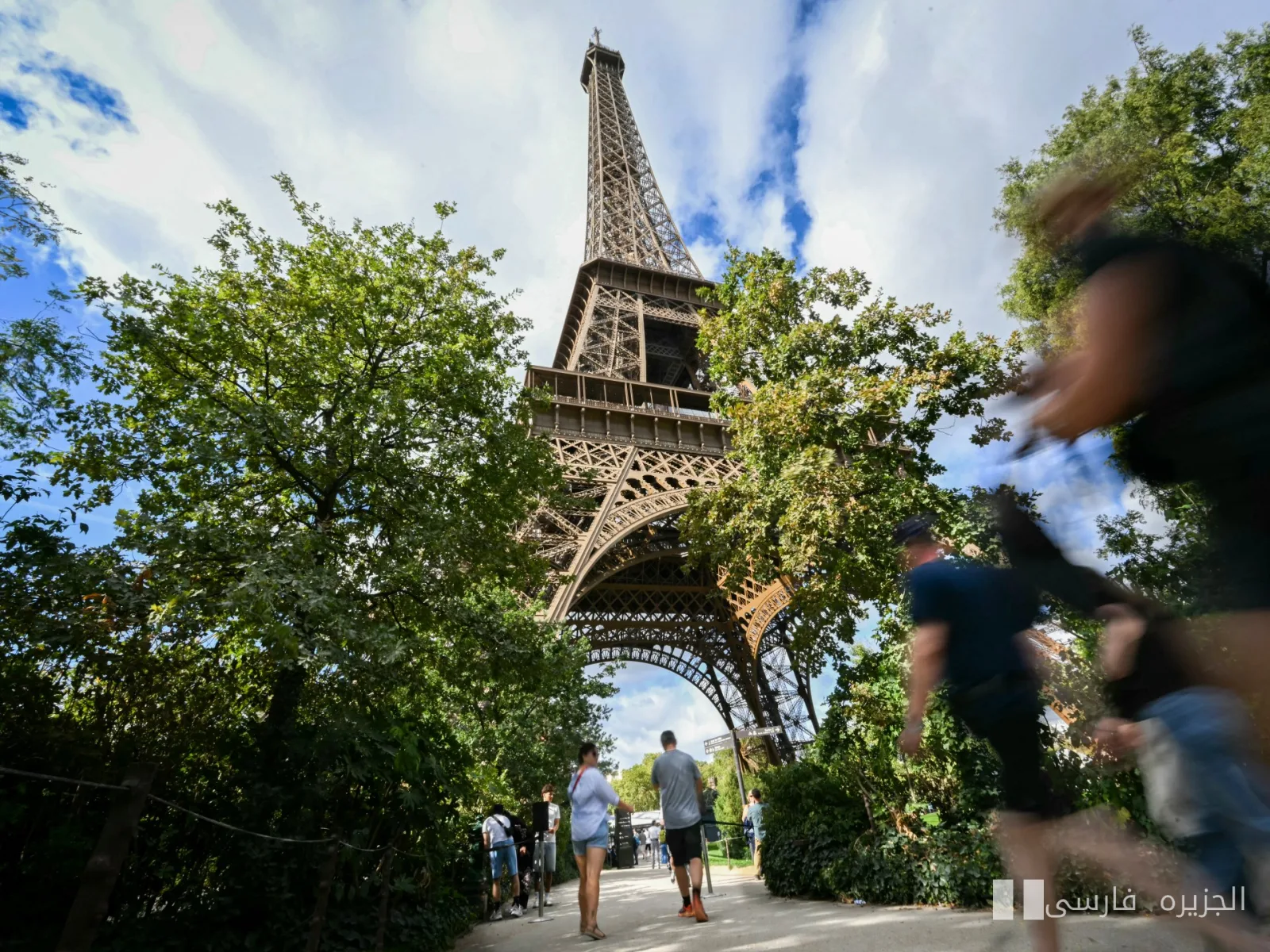
The Eiffel Tower, the famous symbol of Paris and one of the world's most popular tourist destinations, reopened to visitors yesterday after a severe crisis. This reopening followed widespread protests from staff, particularly female employees, who were put on mandatory leave due to discriminatory policies during the visit of a Hindu delegation to this historical attraction.
Protests and Discrimination
On Monday, Eiffel Tower staff went on strike in protest against management decisions. This strike occurred in response to the dismissal of several female employees during the reception of the Hindu delegation, which faced widespread protests from other staff and human rights activists. The claim of discrimination in this incident has created new challenges for the management of the Eiffel Tower and raised serious questions about equality and employee rights at this historic site.
This crisis has not only drawn attention to existing discrimination in the workplace but also highlights the cultural and social sensitivities in dealing with foreign guests. Protesting staff gathered around the Eiffel Tower to make their voices heard and demanded changes in management policies.
Reopening and the Future of the Eiffel Tower
After a day of tension and protests, the management of the Eiffel Tower decided to reopen the site. This action was taken as an effort to restore calm and confidence to both staff and visitors. However, many questions remain regarding the future management of this historic symbol. Will this crisis lead to real changes in management policies? Will this incident serve as a wake-up call for other tourist sites in Europe?
Ultimately, with its reopening, the Eiffel Tower has once again become one of the most popular tourist destinations, but this crisis clearly points to deeper challenges in the world of work and human rights that need to be addressed.