الجزیره فارسی
روایت خاورمیانه
الجزیره فارسی
روایت خاورمیانه 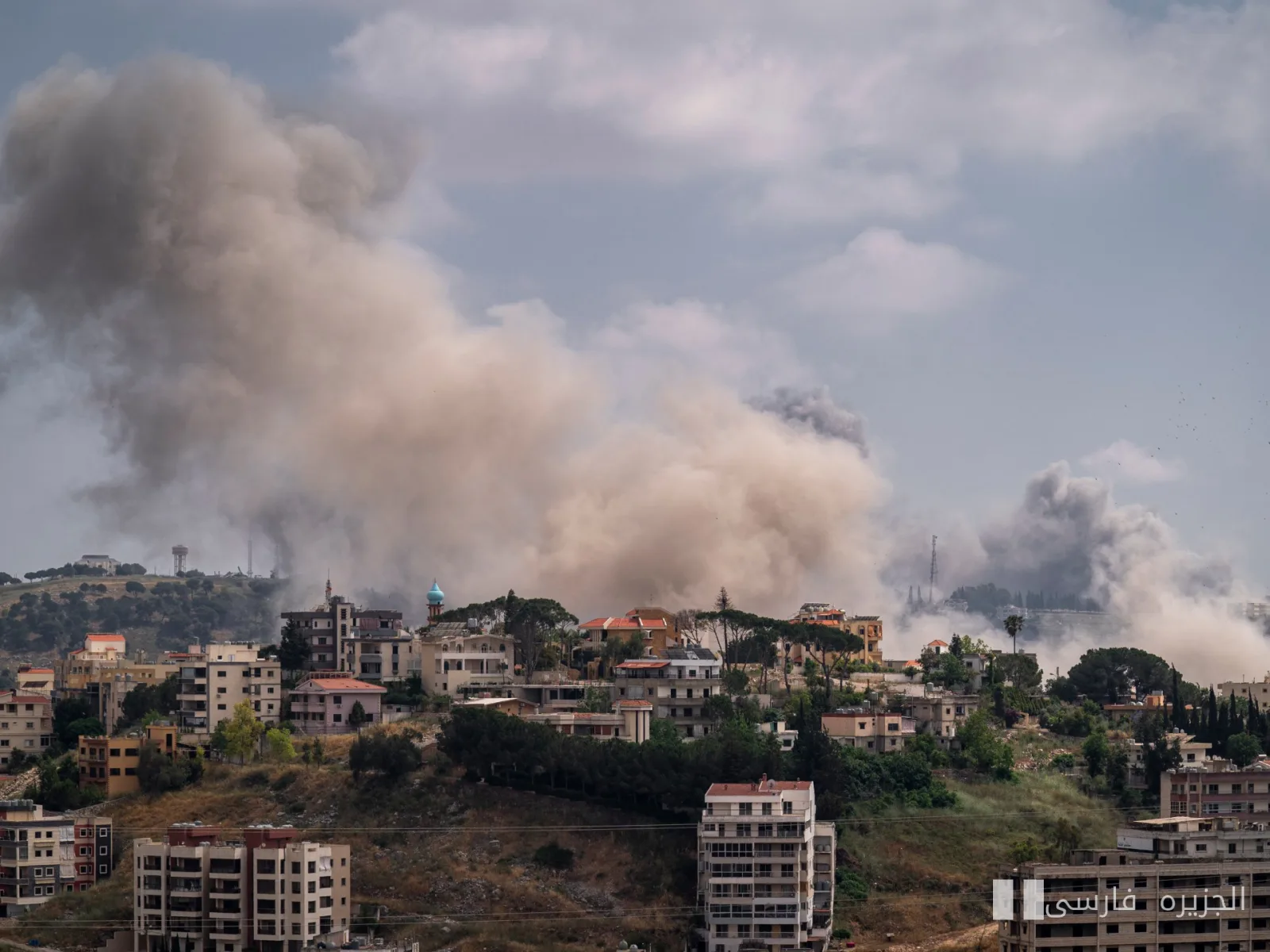
In recent days, tensions at the Lebanon-Israel border have significantly increased. Israeli airstrikes and artillery bombardments in southern Lebanon have reignited the flames of unrest in this region. These actions come at a time when previous agreements for a ceasefire have been severely called into question.
Analysis of the Current Situation
The targeting of civilian camps and local infrastructure in these attacks indicates a shift in Israel's approach to dealing with regional crises. It seems that the country is seeking to exert more pressure on Lebanon and the resistance forces within it. Some observers believe that this action serves as a threatening message to the resistance groups and their supporters.
This new wave of activity occurs while Lebanon continues to grapple with deep economic and social crises. In fact, the current situation in Lebanon is somewhat fragile, and any escalation of tensions could lead to dire consequences.
Potential Consequences
Given the current situation, there is a likelihood of more intense conflicts between Israeli forces and resistance groups in Lebanon. These conflicts will not only have an immediate impact on Lebanon's security but could also have broader repercussions for the entire region. International observers have expressed concern over this situation and called for immediate action to prevent further deterioration.
Overall, it appears that the situation at the Lebanon-Israel border is rapidly changing, and these changes could soon lead to one of the largest new crises in the Middle East. With the continuation of these bombardments and movements, the future of the region remains shrouded in uncertainty.