Al Jazara
روایت خاورمیانه
Al Jazara
روایت خاورمیانه 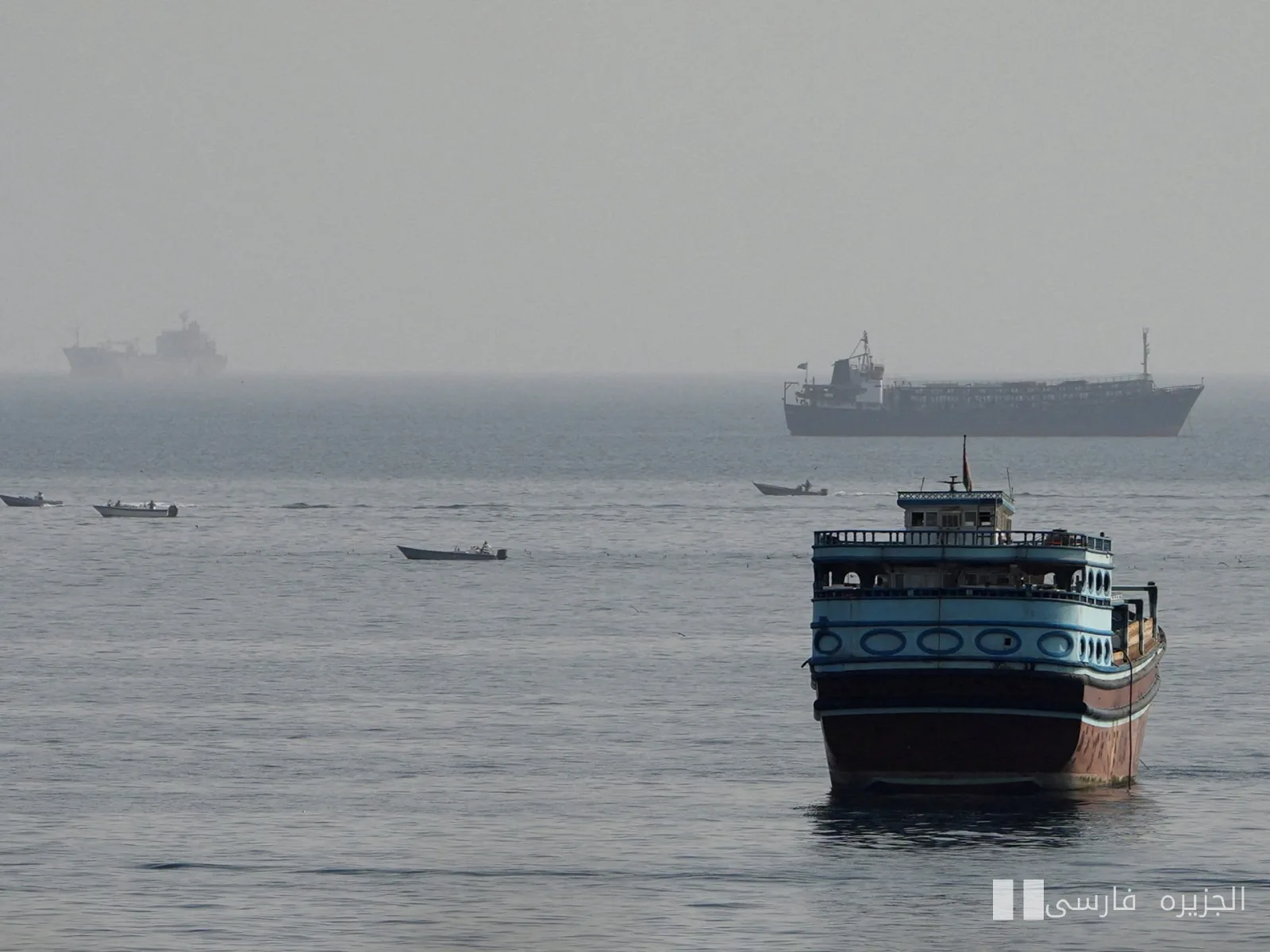
The war in the Gulf between the United States and Iran has challenged Saudi Arabia, Qatar, and the United Arab Emirates in providing nearly $4 trillion in economic commitments to the United States. According to a new analysis from the Peterson Institute for International Economics, these countries are under increasing economic pressures.
Economic and Security Pressures
A 15-page report released on Monday states that Gulf countries are forced to increase defense spending, energy infrastructure, and trade. This war has not only weakened the financial status of these countries but has also impacted their economic outlook. According to the report, "This conflict has undermined their confidence in the U.S. security umbrella in the Gulf."
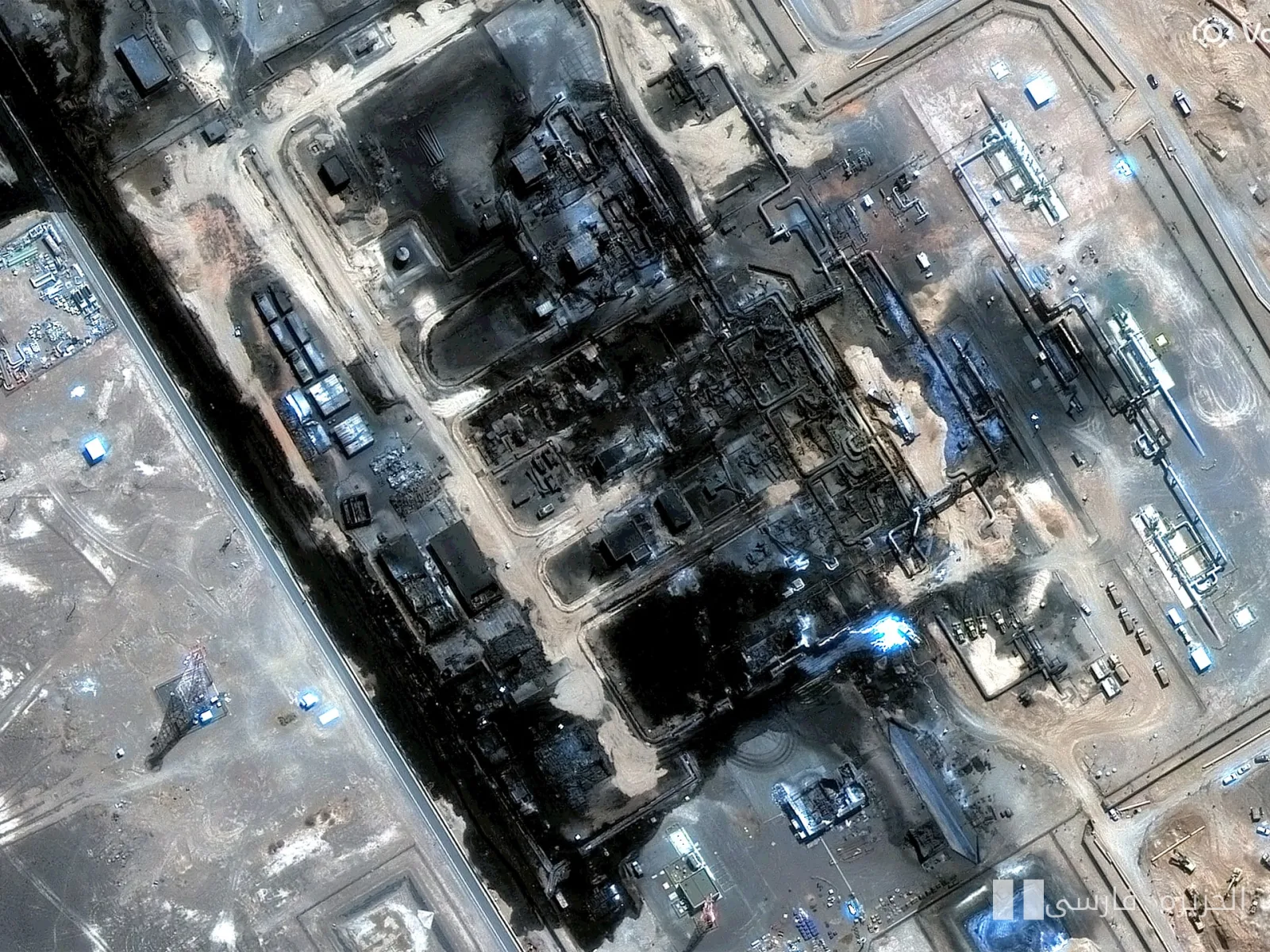
Read more: Damage to Saudi Arabia's oil pipeline; risk of depletion of export reserves
Reduction in Economic Growth Forecasts
According to the report, this war has severely impacted the Gulf economies, and the economic growth forecasts for these countries have significantly decreased. The International Monetary Fund has reduced Qatar's growth forecast by 14.7% to 8.6%. Saudi Arabia's growth forecast has decreased from 4.5% to 1.7%, and the United Arab Emirates has also seen a reduction from 5.6% to 1.7%.
Although the Gulf governments have sufficient financial assets and borrowing capacities to prevent an immediate financial crisis, economic pressures may lead them to prioritize domestic spending over investment in the United States. Saudi Arabia had already begun to shift towards domestic investment, and this war seems to reinforce that change.
The Saudi Public Investment Fund has reduced its portfolio share for international investments by 10% over the past six years, bringing it down to 20%. Meanwhile, the report also points to delays in fulfilling investment commitments, which could lead to increased pressure from the White House.
The report also highlights political concerns in the United States and addresses questions raised by members of Congress regarding the economic and national security implications of Gulf investments. For instance, a $2 billion investment in Binance by an investment firm backed by the United Arab Emirates has raised concerns.
Read more: The U.S. announced the clearing of traffic in Hormuz, and oil prices rose above $100 · Iran: Hormuz negotiations postponed due to events in Yemen