الجزیره فارسی
پایگاه خبری و تحلیلی
الجزیره فارسی
پایگاه خبری و تحلیلی 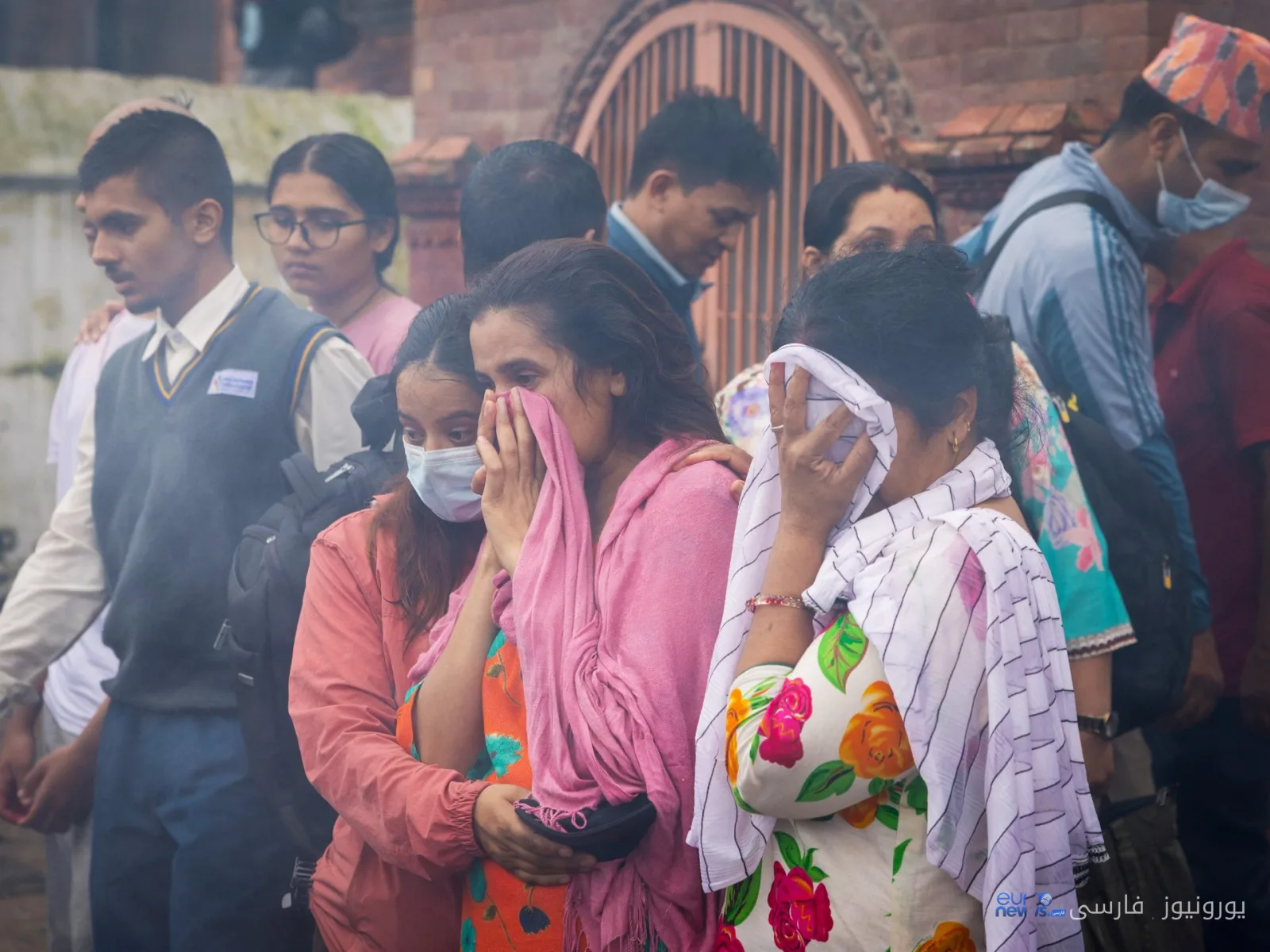
In a horrific tragedy, the families of the victims of the recent floods in Nepal have held funerals without the presence of their loved ones' bodies. The floods, which claimed many lives, were so devastating that identifying the corpses has become a major challenge.
Challenges in Identifying Corpses
While a few of the recovered corpses have been identified, families are grappling with the profound loss and grief caused by the disappearance of their loved ones. According to statistics, less than one in ten of the found corpses has been officially identified, adding to the pain and suffering of the families.
This situation has become particularly more difficult for those who, due to severe weather conditions and lack of access to affected areas, are unable to hold proper funeral ceremonies. Funerals without bodies have become a symbolic representation of hope and a reminder of the lost loved ones.
Social and Psychological Impacts
In these circumstances, the social and psychological dimensions of the disaster are clearly visible. Families, with the loss of their loved ones, are facing a crisis not only emotionally but also socially. Memorial and funeral ceremonies without bodies reflect the deepest human emotions that remain alive in hearts despite the loss.
Alongside this, the government's challenges in managing the crisis and assisting these families are also evident. Many people criticize the lack of necessary support and demand more attention to the victims' situation.
Non-governmental organizations and local groups are also trying to help these families and are taking actions to alleviate their pain and suffering. But are these efforts enough? In a situation where identifying corpses has become a dilemma, unanswered questions remain in the minds of the victims and their families.