الجزیره فارسی
روایت خاورمیانه
الجزیره فارسی
روایت خاورمیانه 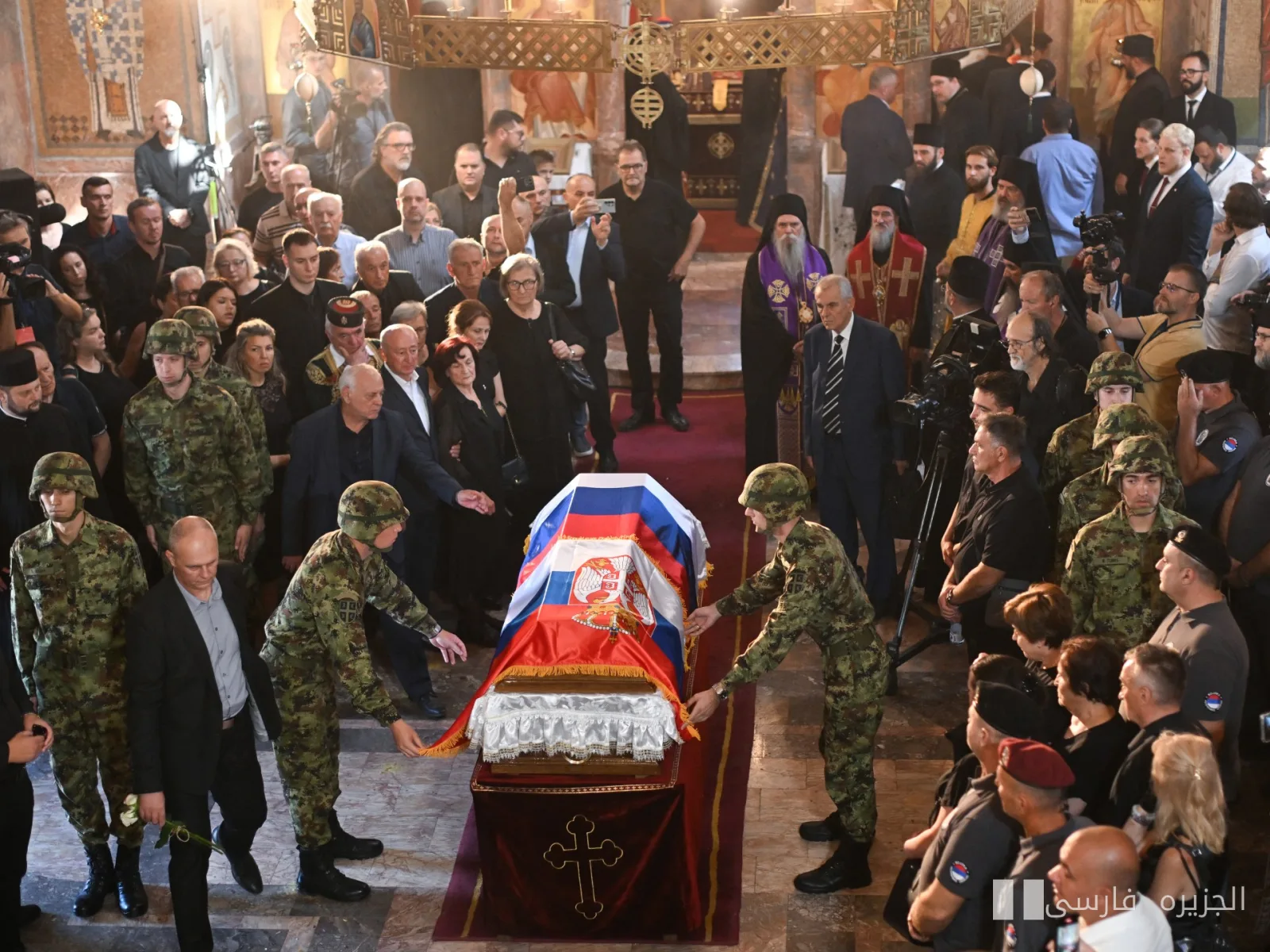
The funeral ceremony of Ratko Mladić, one of the notorious war criminals responsible for the genocide in Srebrenica, was recently held in Serbia and drew widespread global reactions. This ceremony, which was conducted with special honors, was interpreted not only as a tribute to Mladić but also as a warning sign for Serbia on its path to joining the European Union.
Mladić's Role in Bosnia's History
Ratko Mladić is recognized as one of the key figures in the Bosnian War; he was directly involved in the massacre of over eight thousand Muslims in Srebrenica in ۱۹۹۵. This crime, known as one of the most horrific war crimes in contemporary history, still leaves deep wounds and serves as a reminder of pain and suffering for the survivors.
However, his funeral, attended by those who regard him as a national hero, reflects the racist tendencies and denial of historical truth in some segments of Serbian society. These glorifications not only remind us of past crimes but can also negatively impact the peace and reconciliation process in the region.
Global Reactions
European and international officials reacted strongly to this ceremony, viewing it as a dangerous sign of racism and an unwillingness to confront history. These criticisms come at a time when Serbia is striving to join the European Union, and such behaviors could seriously affect this process.
While some individuals in Serbia still view Mladić as a hero, the international community emphasizes the necessity of accepting the truth and taking responsibility for history. Can Serbia confront this heavy legacy and move towards a better future?