الجزارا فارسی
روایت خاورمیانه
الجزارا فارسی
روایت خاورمیانه 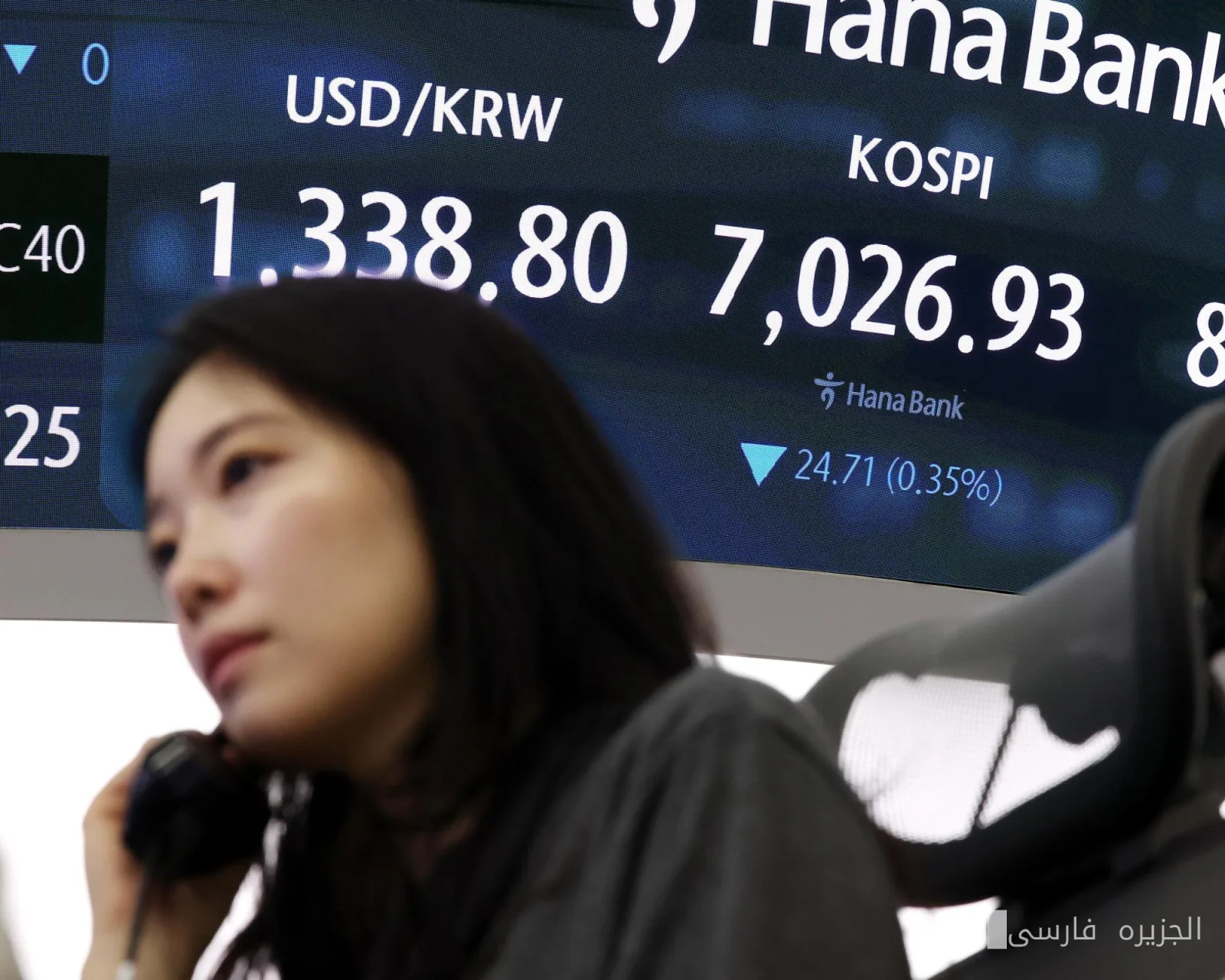
In a concerning development, the sale of government bonds has resumed in the world's largest economies. The excessive rise in oil prices and concerns about inflation have driven investors to exit this market. On Thursday, the price of crude oil rose by 6% to over $107 per barrel. This price increase is due to concerns about the advances of the Houthis along the Red Sea coast of Yemen and potential threats to Saudi Arabia's oil exports.
Fear of High Inflation
The rise in energy costs and its implications for the global economy have intensified fears of inflation among investors. Given that governments have heavily resorted to borrowing due to economic crises, especially following the COVID-19 pandemic, these concerns could have dire consequences for financial markets. Increased borrowing costs for governments could mean higher taxes and reduced public services.
This situation clearly reflects uncertainty in financial markets. Investors, considering the current conditions, may turn towards safer assets like gold or cryptocurrencies. These changes in investor behavior could lead to increased volatility in global markets.
An Uncertain Future
The future of financial markets under current conditions is heavily dependent on oil prices and political developments in the Middle East. If tensions between the Houthis and Saudi Arabia escalate, oil prices may rise to higher levels, increasing concerns about inflation in major economies. Ultimately, these developments could in turn impact economic decision-making on a global scale and complicate conditions for investors.