الجزیره فارسی
روایت خاورمیانه
الجزیره فارسی
روایت خاورمیانه 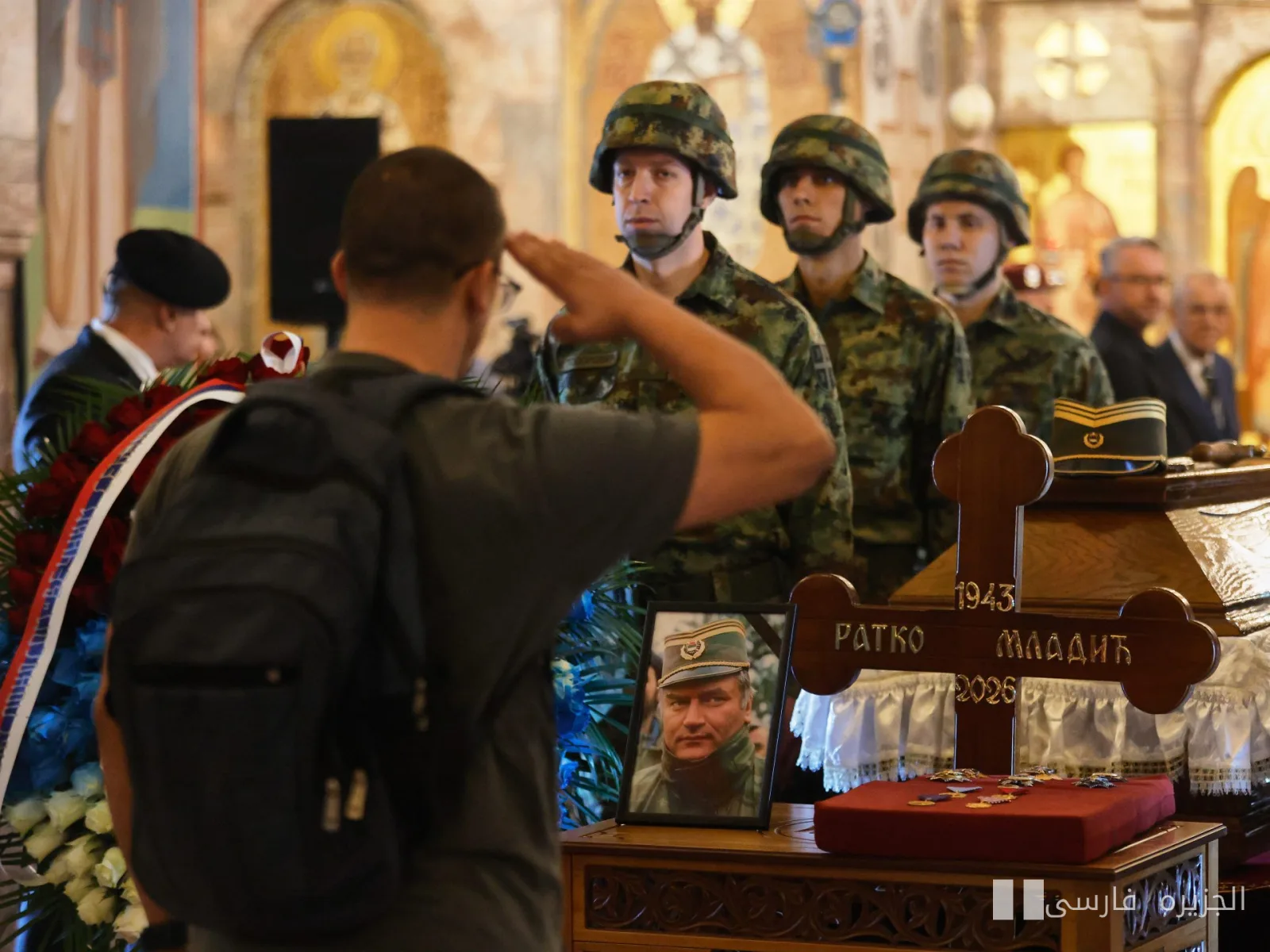
Thirty years have passed since the establishment of international courts to address war crimes and human rights violations, but have any real lessons been learned from these years? The bitter events and incidents that have occurred during this time show that political leaders continue their behaviors and do not take lessons from history.
Mladić, a Symbol of Injustice
The court's verdict for Ratko Mladić, the former military commander of the Serbs in Bosnia, is considered a turning point in the history of international justice. He was sentenced to life imprisonment for his horrific crimes during the Bosnian War, but can this verdict guarantee the prevention of such crimes in the future? Many believe that not only this verdict but also other rulings have failed to effectively change the behavior of political leaders.
Challenges of the International Justice System
The international justice system faces numerous challenges. The lack of cooperation from some countries, politicization in trials, and sometimes disregard for fundamental human rights principles are all factors that hinder the realization of true justice. In this context, the question arises whether political leaders can learn from history or will they only settle for superficial condemnations?
Three decades later, we still witness war crimes and human rights violations in various parts of the world. This bitter reality reflects the failure of political systems to learn from the past. While court rulings like that of Mladić can symbolize justice, the fundamental question is whether these symbols will lead to real changes in the behavior of political leaders?