الجزیره فارسی
روایت خاورمیانه
الجزیره فارسی
روایت خاورمیانه 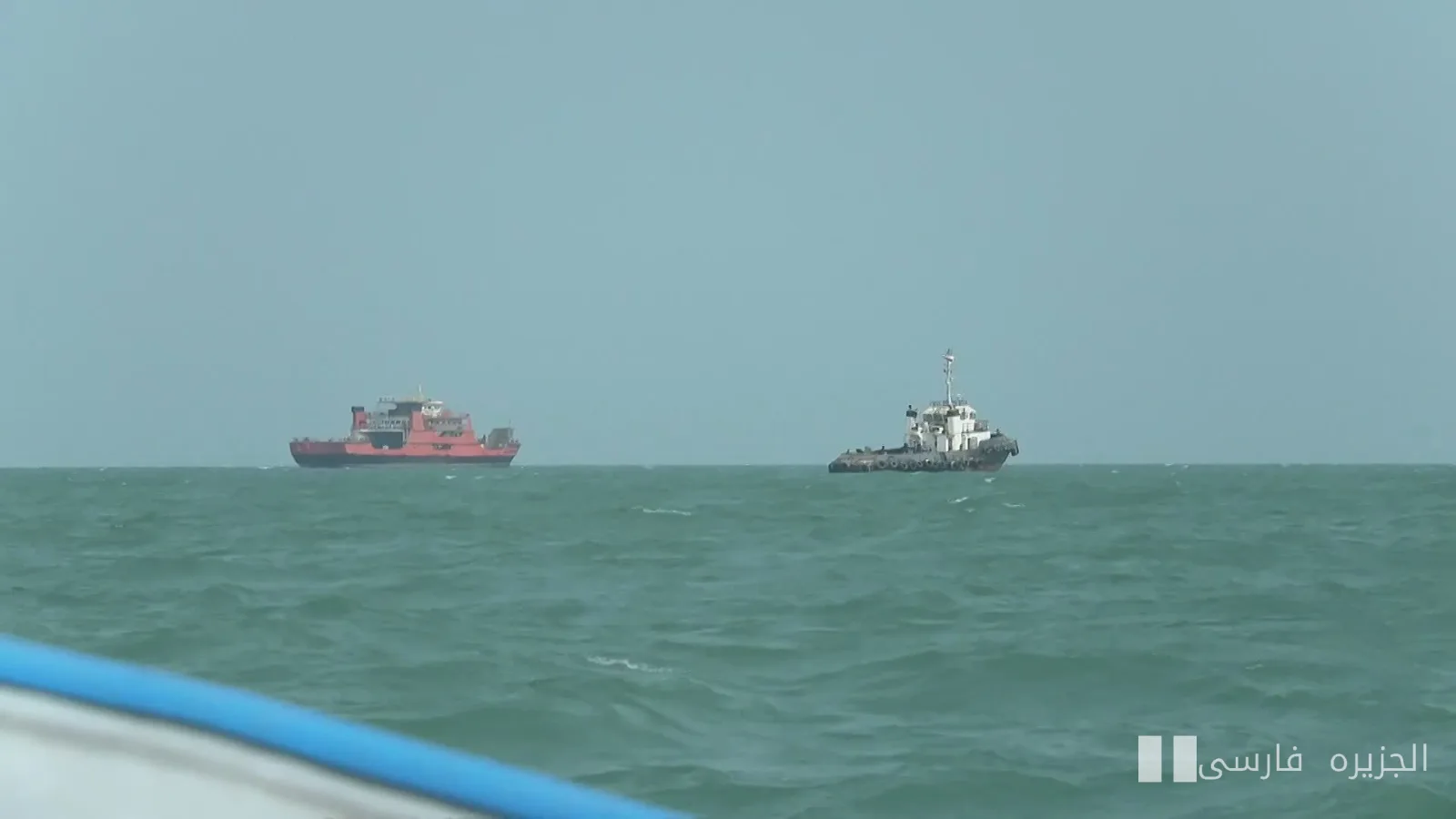
The Strait of Hormuz, one of the most important waterways in the world, is currently facing a severe crisis. This strait is recognized as a highway for the passage of oil and commercial goods, and its closure could have devastating consequences for the global economy.
Ship Stoppage and Political Tensions
Reports indicate that several ships attempting to pass through this strait have encountered serious obstacles and have been unable to continue their journey. This situation clearly reflects the escalating tensions in a region that has always been in the global spotlight due to its strategic position.
The closure of the Strait of Hormuz not only affects international trade but could also lead to an increase in oil prices and other essential goods. In fact, any disruption in this route can trigger a chain reaction in global markets and, in turn, contribute to economic instability.
Economic and Social Consequences
Global trade is heavily dependent on the Strait of Hormuz, and any restrictions on this route could lead to economic crises in various countries. Oil-producing countries and those reliant on essential goods that depend on this strait may face serious challenges, and as a result, this situation could also lead to social unrest.
Meanwhile, questions arise about the future of this strait and possible methods for reopening it. Are there solutions to reduce tensions and reopen this strategic route? Or will we witness the continuation of this critical situation?