الجزارا فارسی
روایت خاورمیانه
الجزارا فارسی
روایت خاورمیانه 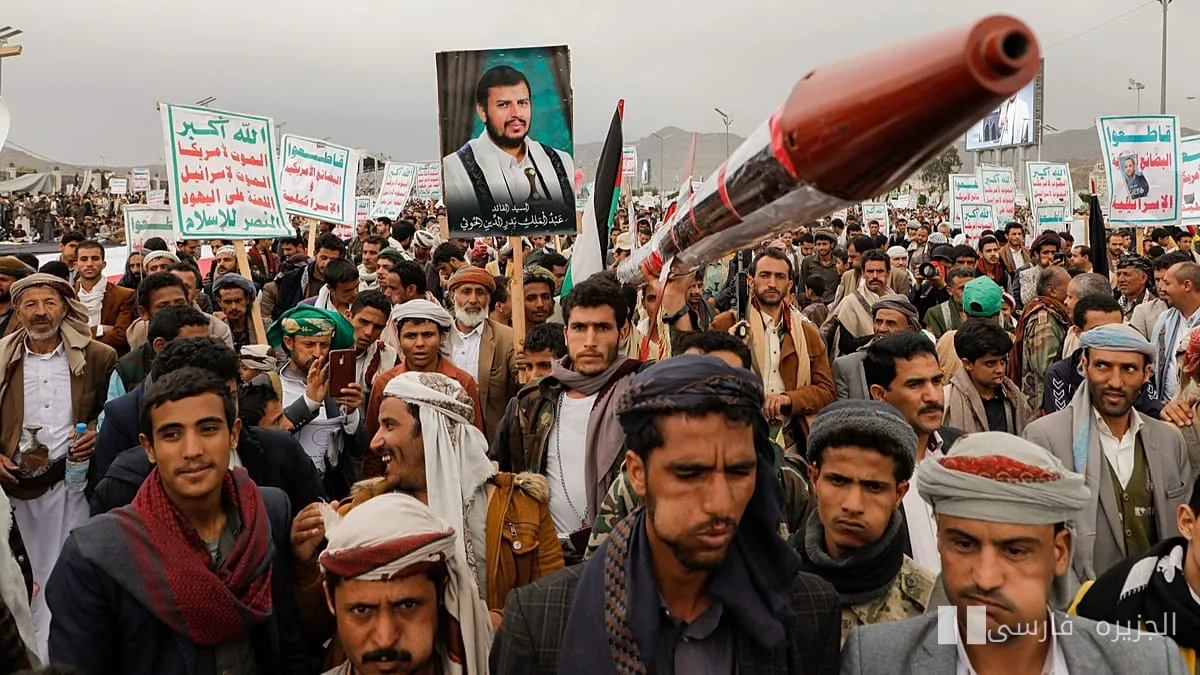
Today, the name Houthis is more intertwined than ever with missiles, drones, the Red Sea, and the Bab-el-Mandeb Strait. However, this group, which is now considered one of the most important military actors in the Middle East, began its journey not as a military force but as a social movement. The story of the Houthis dates back to the 1990s when this group emerged as a Zaidi Shia movement in northern Yemen.
The History of the Houthis and Initial Challenges
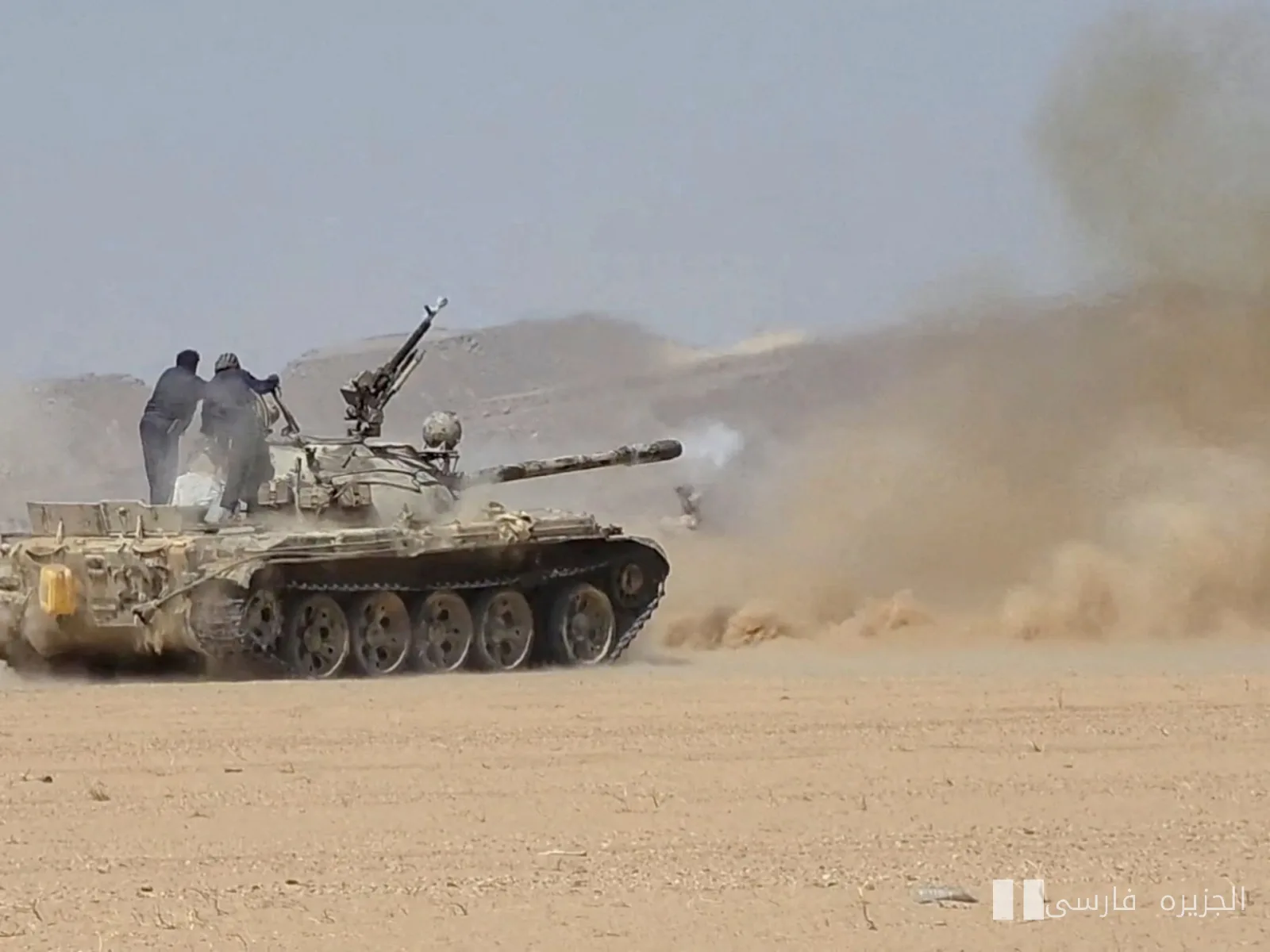
Initially, the Houthis sought the cultural and religious rights of the Zaidi community, which was opposed to the Sunni rule. Over time, with the emergence of political and economic crises in Yemen, this movement gradually transformed into a military force. The Yemeni civil war in 2015 was a turning point for the Houthis; they were able to seize control of large parts of the country by capitalizing on public discontent and the weakness of the central government.
The Rise of the Houthis and Its Impact on the Middle East
Today, the Houthis are recognized not only as a powerful military force but also play an important role in regional politics. Support from Iran and the provision of modern weapons have enabled the Houthis to become a serious challenge for their neighbors, especially Saudi Arabia. This group has created serious threats to maritime and aerial security through the use of modern warfare strategies.
Moreover, the Houthis have sought to expand their influence in various regions by taking advantage of the war and chaos in Yemen. This situation has not only exacerbated the humanitarian crisis in Yemen but has also increased regional and trans-regional tensions.
Ultimately, the Houthis are considered a new reality on the political map of the Middle East. Their power affects not only Yemen but also the power equations across the region, and the future of this group could directly lead to stability or instability in the Middle East.