الجزارا فارسی
روایت خاورمیانه
الجزارا فارسی
روایت خاورمیانه 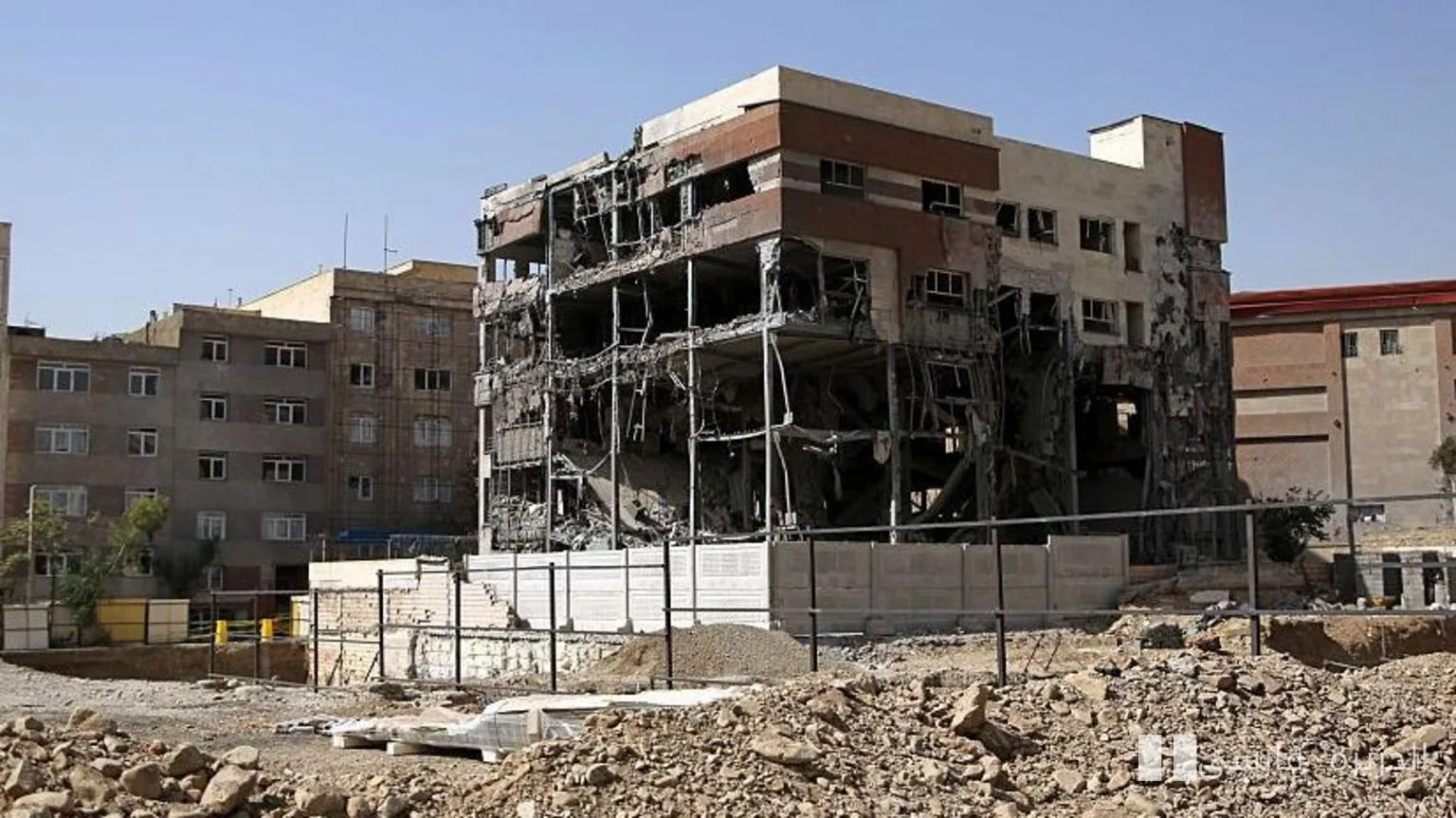
In recent weeks, tensions between the United States and Iran have reached unprecedented levels. With reciprocal attacks and military warnings, the political atmosphere has become extremely tense, raising the question of whether the two countries truly desire to de-escalate tensions.
Exit Strategies Against Potential War
So far, neither party has been able to present a clear and defined exit strategy. The United States seeks to maintain its influence in the Middle East, while Iran aims to preserve its sovereignty and independence against foreign interventions. These two conflicting goals seem to have brought any negotiation efforts to a standstill.
Analysts believe that both countries have options for de-escalation, but these options are severely limited and influenced by various factors. Some analysts point out that agreements similar to the nuclear deal that was made in the past may be back on the agenda; however, at present, this seems highly unlikely due to the lack of trust between the two sides.
An Uncertain Future
Given recent developments, the future of these conflicts appears very uncertain. Can the U.S. achieve an exit strategy from this crisis? Or can Iran come to the negotiating table and compromise on its positions? These questions remain unanswered and may become one of the biggest international challenges in the near future.
Ultimately, it seems that both countries are somewhat trapped in their own predicament and need a fundamental shift in their policies to escape this situation. Undoubtedly, the process of negotiation and diplomacy requires continuous and serious efforts, but will these efforts yield results? Only time can answer this question.