الجزیره فارسی
روایت خاورمیانه
الجزیره فارسی
روایت خاورمیانه 
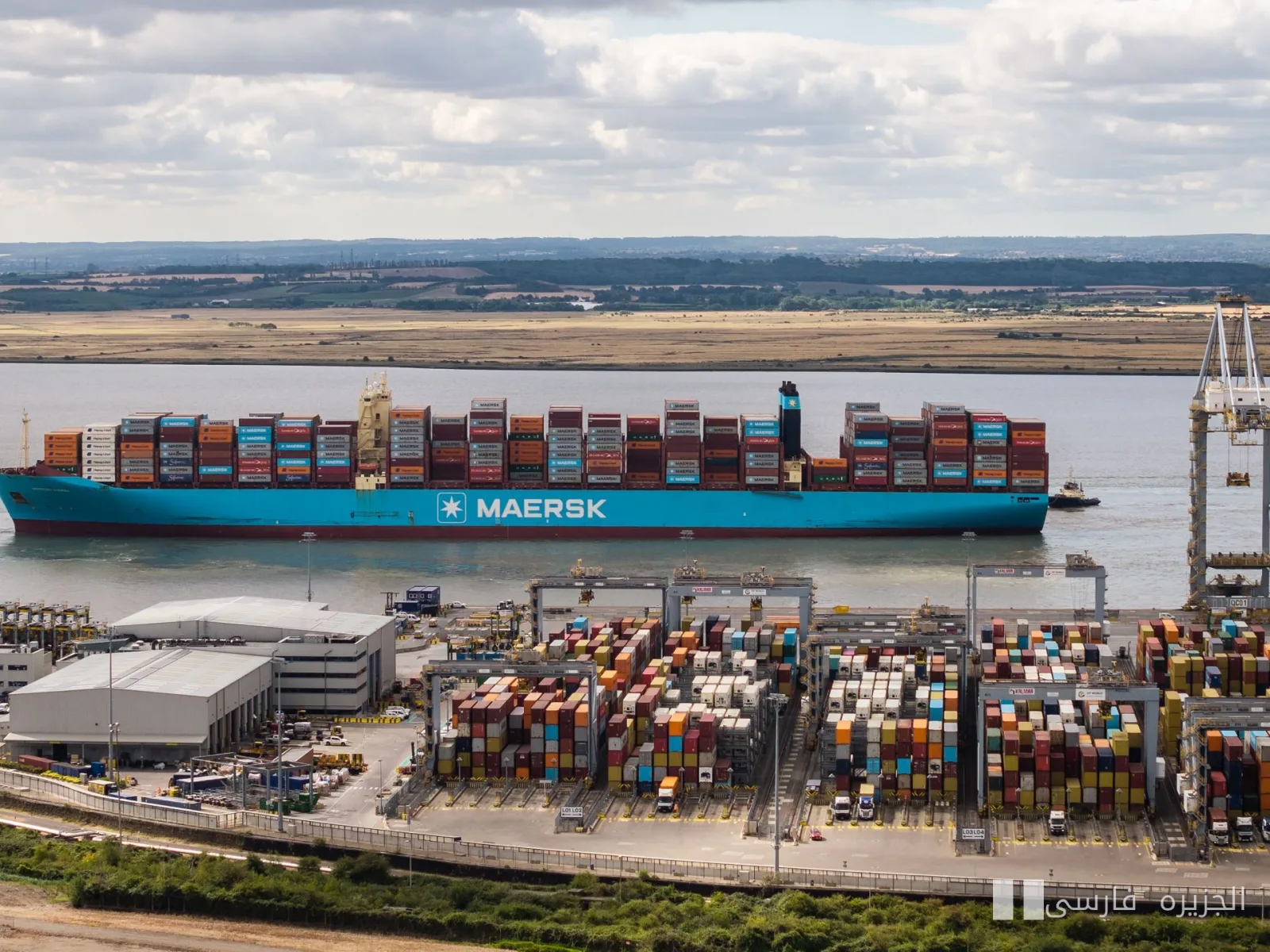
Japan, as the second largest economy in Asia and the fourth largest economy in the world, is simultaneously facing serious challenges in energy supply. This country is heavily reliant on energy imports, especially from the Gulf countries, which are considered its main sources of oil and gas. Given the recent tensions in the region, this dependence could turn into a serious crisis.
Japan's Energy Supply Challenges
Considering the geopolitical situation in the Gulf and the threats arising from tensions, Japan is seeking solutions to reduce its dependence on foreign energy resources. This country is particularly focused on diversifying its energy sources and is looking to expand cooperation with other countries and develop renewable energy resources.
In recent years, Japan has invested in new technologies and clean energy sources. These initiatives include the development of solar, wind, and hydrogen energy. However, oil and natural gas still constitute a major part of this country's energy mix.
Japan's Practical Steps for a Sustainable Future
Japan's efforts to diversify its energy resources not only help increase the country's energy security but also lead to a reduction in environmental pollution and the achievement of environmental goals. Given the unstable global conditions, Japan must pursue a sustainable and coherent strategy that can withstand future crises.
Ultimately, Japan's success in this area will not only benefit the country itself but can also serve as a model for other energy-importing countries. Considering the challenges ahead, it is time for this country to seriously think about diversifying its energy resources and leveraging new technologies.