الجزیره فارسی
روایت خاورمیانه
الجزیره فارسی
روایت خاورمیانه 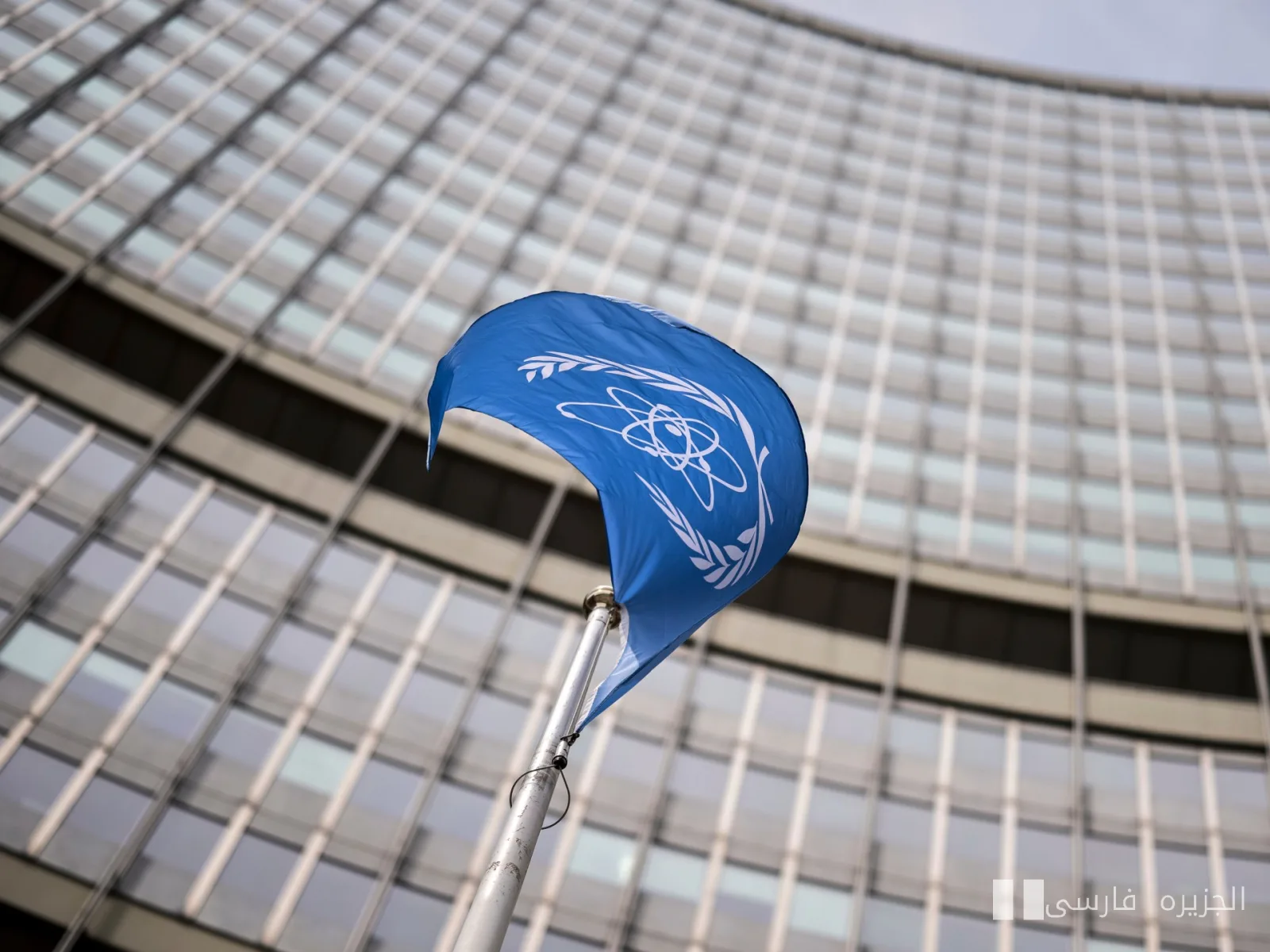
As tensions regarding Iran's nuclear program have reached their peak, the International Atomic Energy Agency (IAEA) has explicitly warned about Tehran's lack of cooperation with the agency's inspectors. According to experts, this action could have serious consequences for regional and global security.
Western Pressures and Referral to the Security Council
Western powers, especially the United States and European countries, are seeking to refer Iran's nuclear case to the United Nations Security Council. This action could lead to increased economic and political pressures on Tehran, resulting in further crises in the region.
So far, Iran has consistently refused to cooperate with the agency's inspectors, raising serious concerns at the international level. Critics believe that this lack of cooperation could lead to an increase in illegal nuclear activities and violations of international agreements.
Iran's Response to International Pressures
In response to these pressures, Iran has repeatedly stated that its nuclear program is peaceful and poses no threat to global security. Iranian officials emphasize that the nuclear program is aimed at meeting energy and domestic needs and that they will not seek to produce nuclear weapons under any circumstances.
However, statements from Western officials and reports from the International Atomic Energy Agency clearly indicate deep concerns about the lack of transparency in Iran's nuclear program. If Tehran does not cooperate with inspectors, the Security Council is likely to take actions towards new sanctions or diplomatic pressures.