الجزارا
روایت خاورمیانه
الجزارا
روایت خاورمیانه 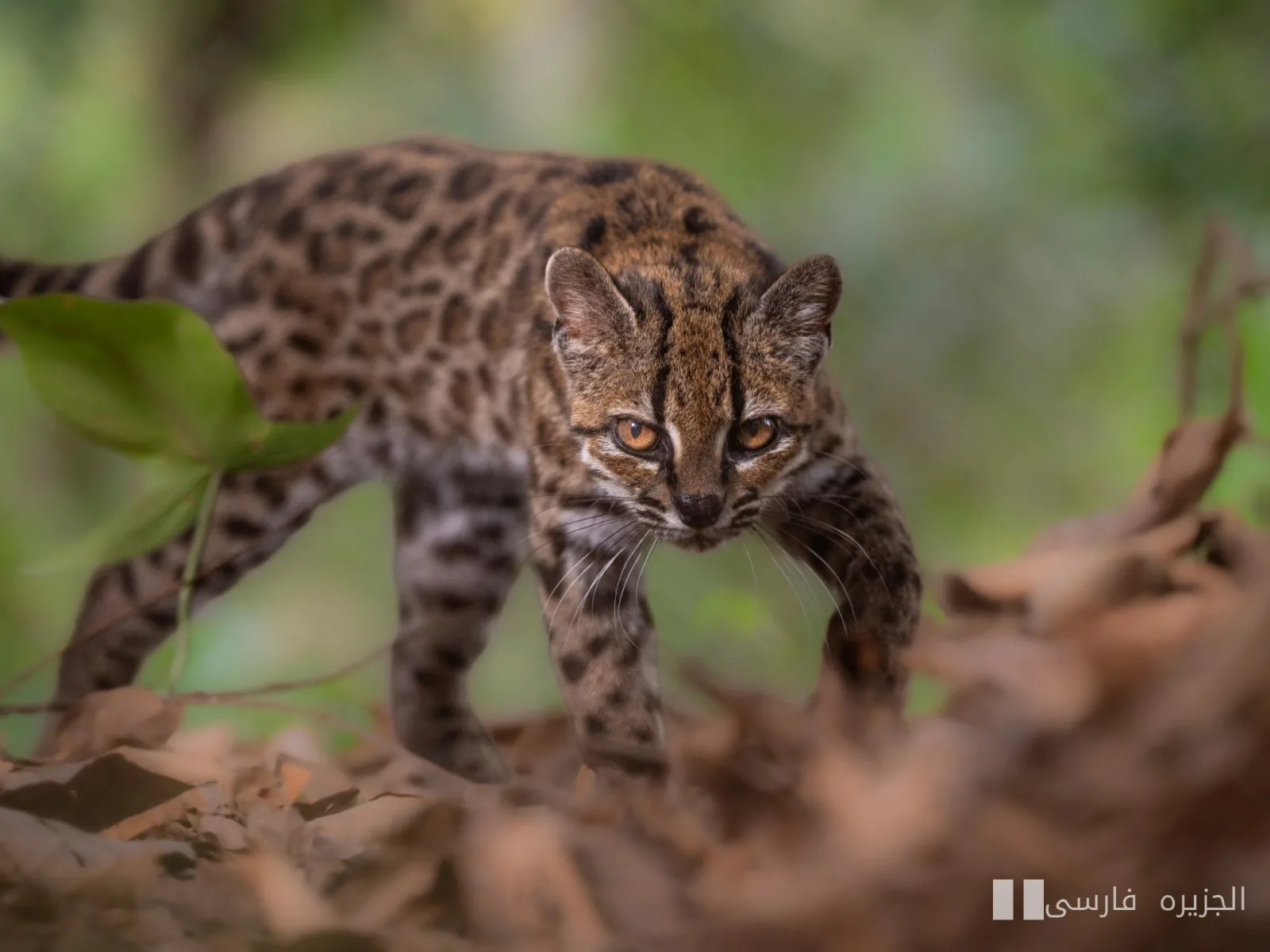
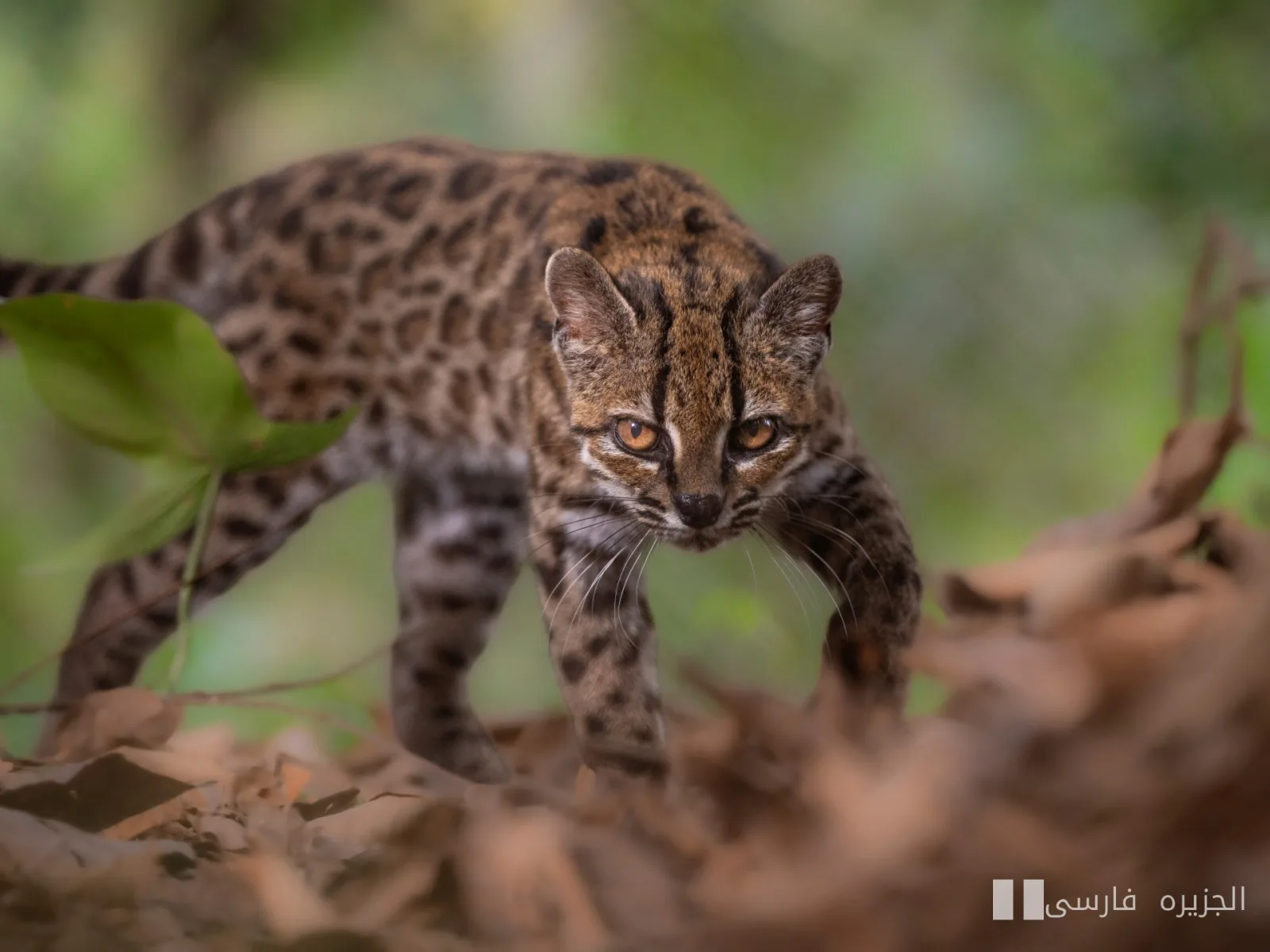
A new species of wild cat named Leopardus tilcayo has been identified in Bolivia. This species was officially introduced after the accidental discovery of a kitten and extensive research that lasted nearly a decade.
Discovery Location and Environmental Conditions
Leopardus tilcayo lives in the cloud forests of Bolivia located in Yungas, which is a forest strip on the eastern slopes of the Andes mountain range. This area, recognized as a transitional zone between the high mountains and the Amazon basin, has not yet been fully studied due to its ruggedness and high humidity.
Read more: Lec Jaram and the Pollinator Festival by the Thames
History and Research
The discovery of this new species is particularly significant after more than ١٠٠ years since the last identification of a new cat species. The last species that was identified was the Pampas cat, reported in ١٩٢٣. In this research, genes from old samples from museums were also used to determine that this cat is indeed a new species.
Paula Nogales Asencarons, a biologist and head of the research program on Bolivian cats, stated about this discovery that this species had never been scientifically described and she and her team were honored to choose a name for this animal.
The story of the discovery of this species dates back to when a local man found a kitten that appeared to be a domestic cat and took it home. However, after a year, when its wild behavior became apparent, the family was forced to turn it over to the animal shelter “Senda Verde.”
After this, Nogales Asencarons was asked by the shelter to examine this cat. Upon observing the animal, she realized that it was very different from domestic cats and was actually a new species of wild cats.
Scientific Efforts and Findings
A team of researchers from several countries contributed to the identification of this new species. This group was able to provide a more accurate picture of wild cats in South America by collecting and analyzing genetic data, identifying five distinct species.
The name “tilcayo” was given to this animal by local people to distinguish it from other small spotted cats in the region. This discovery not only contributes to the biodiversity of the area but also enhances scientific understanding of the cat family and the challenges of their conservation.
Read more: Wonders of Wildlife: The Birth of Sea Turtles and Orangutan Infants · Challenges of Plant Leathers: Can They Really Replace Traditional Leather?