Al Jazara
روایت خاورمیانه
Al Jazara
روایت خاورمیانه 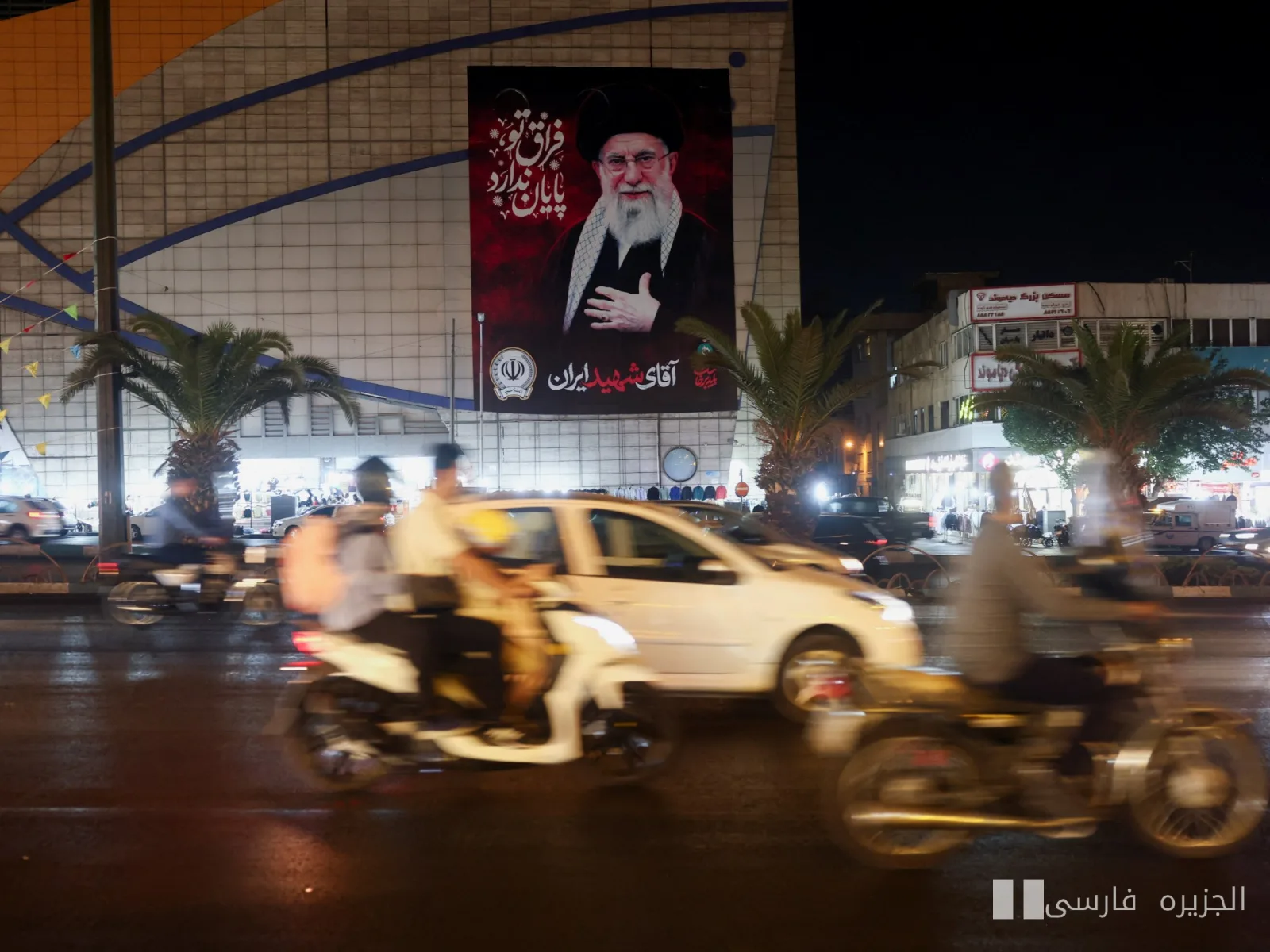
Iran, a country that has been under multiple sanctions since 1979, is now experiencing one of the most severe sanction regimes in the world. Sanctions from the United States, the European Union, the United Kingdom, and the United Nations target a wide range of sectors including oil exports, the banking system, nuclear and military programs, as well as senior officials of the country.
UN Sanctions and Their Reinstatement
In September 2025, UN sanctions were officially reinstated against Iran. This action was taken by France, Germany, and the United Kingdom using the "snapback" mechanism under UN Security Council Resolution 2231. This reinstatement includes six previous Security Council resolutions that imposed sanctions on Iran's nuclear and military programs.
Read more: Erdogan will run again for the 2028 presidential election
Meanwhile, arms sanctions, a ban on the transfer of conventional weapons to and from Iran, as well as restrictions on activities related to ballistic missiles capable of carrying nuclear weapons, are among these sanctions. Additionally, financial and trade sanctions have been seriously imposed on Iran, including the freezing of assets and trade controls related to nuclear and missile programs.
New US Sanctions and Their Scope
This month, the United States imposed a new set of sanctions against Iran as part of its efforts to exert economic pressure on the country. These sanctions are enforced by the Office of Foreign Assets Control of the U.S. Department of the Treasury (OFAC). Economic and trade sanctions generally include a broad prohibition on trade and investment with Iran.
Secondary sanctions are imposed on foreign entities engaged in trade or financing trade with Iran across a wide range of sectors, not just energy and finance, but also digital assets, technology, gold, aviation, and transportation. The aim of these sanctions is to isolate Iran from the international financial system.
Other sanctions include restrictions on specific sectors of the Iranian economy, particularly energy and transportation. These sanctions target the export of goods and services to these sectors, and entities trading with these sectors are pressured.
In addition, there are sanctions related to human rights and terrorism that target individuals and entities associated with human rights violations, including members of the Islamic Revolutionary Guard Corps and other groups designated as "specially designated global terrorists."
European Union sanctions against Iran are also regularly reviewed and adjusted, including restrictions on the supply of goods and technologies related to Iran's nuclear program, trade bans on oil and petrochemical products, and financial restrictions.
While UK sanctions are generally aligned with UN and EU sanctions, Australia, Canada, Japan, New Zealand, Norway, and Switzerland have also implemented similar versions of many of these sanctions based on Iran's nuclear program and human rights issues.
Read more: Saudi Arabia has requested assistance to strengthen its air defense · Ireland will not participate in the Eurovision contest for the second consecutive year