الجزیره فارسی
روایت خاورمیانه
الجزیره فارسی
روایت خاورمیانه 
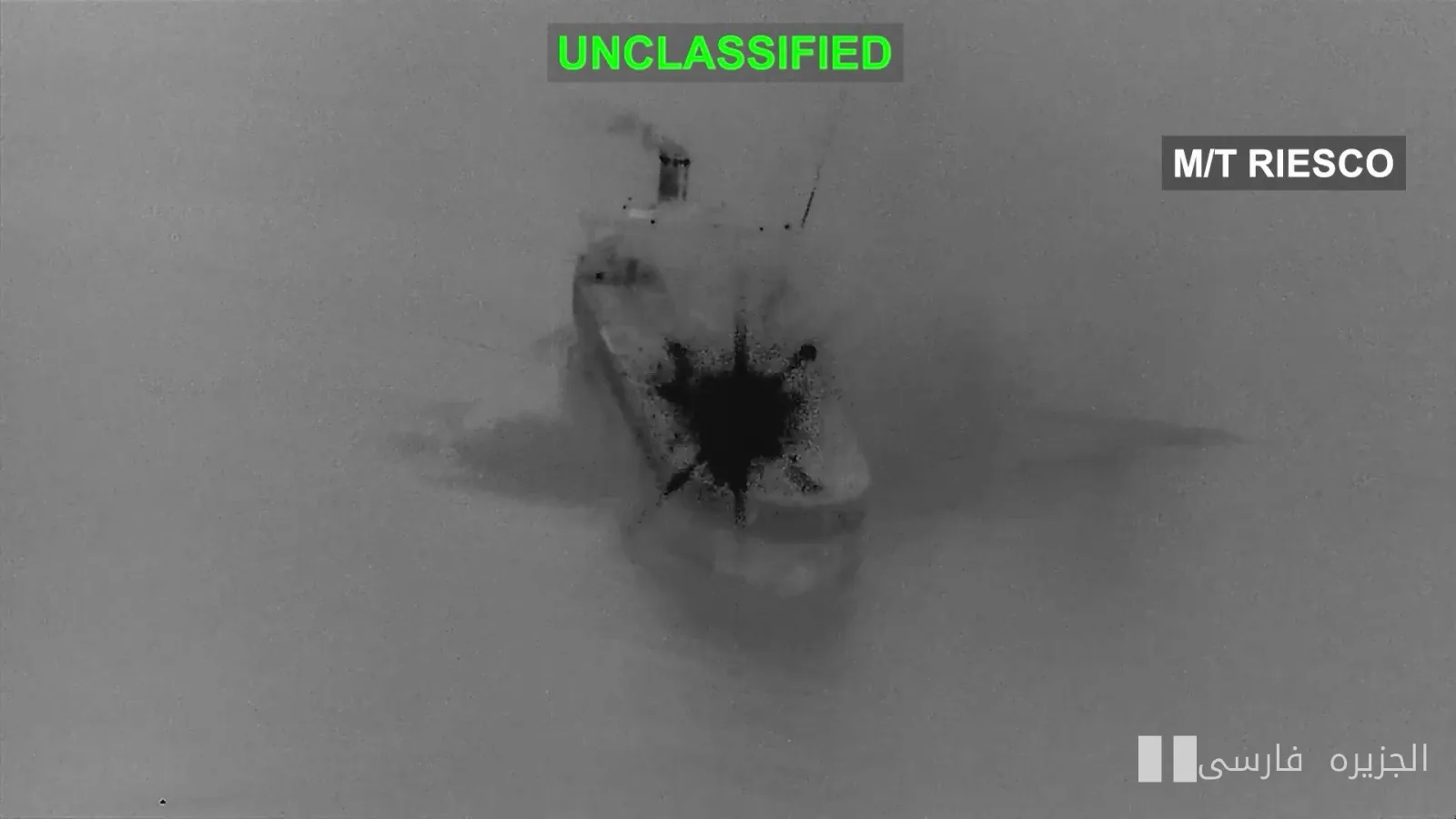
Tensions in the Middle East have once again reached their peak. The recent U.S. attack on Iranian oil tankers provoked a strong reaction from the Islamic Revolutionary Guard Corps (IRGC). This force has warned the crews of oil tankers in Kuwait and Bahrain and announced that retaliatory actions will be taken soon.
Threat to Attack Ships
The IRGC has stated in a statement that any ship that approaches Iran will be targeted. This action is seen as a response to U.S. airstrikes aimed at limiting Iran's influence in the region. The IRGC has clearly stated that there will be no tolerance for threats and is prepared to protect its interests.
In response to these conditions, experts believe that military tensions could escalate into a direct conflict between the two major powers. In this context, evidence of increased military activities in sensitive areas of the Middle East, especially near the Strait of Hormuz, is noticeable.
Global Impacts
These developments not only affect Iran-U.S. relations but could also impact the global oil market. Given that Iran is one of the main oil producers in the world, any military tension could pose serious risks to global energy supply. In these circumstances, regional countries as well as global powers must closely monitor the developments.
Considering these developments, it seems that the continuation of this crisis could have dire consequences for global security. Now, it remains to be seen whether diplomacy can find a solution to these tensions or if military conflicts will become an unavoidable reality.