الجزارا فارسی
روایت خاورمیانه
الجزارا فارسی
روایت خاورمیانه 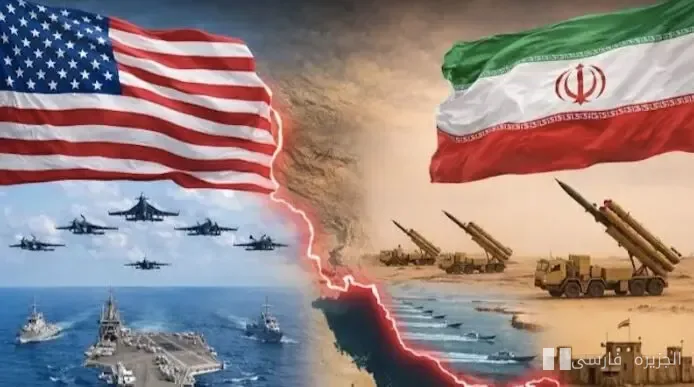
In recent days, the movements of Iran-aligned groups in Yemen and Iraq have sharply increased, complicating the war equations in these regions. It seems that the war against Iran has entered a new and challenging phase, placing the Trump administration in a difficult position.
New Complexities in the War
The increase in military and political activities of Iran-backed groups has not only changed the battlefield conditions but has also led to growing deadlocks for the United States government in its efforts to end these conflicts. American officials now face more challenges than before, as these movements indicate Iran's increasing power and influence in the region.
This situation not only affects U.S. military strategies but could also strengthen Iran's diplomatic positions in international negotiations. In fact, Iran, as a key player in Middle Eastern developments, is effectively capitalizing on these opportunities, which could lead to major changes in the region's political map.
Challenges for the Trump Administration
In this complex situation, the Trump administration is confronted with multiple challenges in foreign policy. With rising tensions in Yemen and Iraq, there is a possibility that Washington may have to reconsider its strategies. At the same time, these developments could also impact the United States' relations with its allies.
Given these circumstances, the future of the war in Yemen and Iraq is heavily dependent on how the United States and its allies respond to Iran's movements. Will Washington be able to navigate this deadlock, or will this war turn into a prolonged crisis? Time will tell.