الجزارا فارسی
روایت خاورمیانه
الجزارا فارسی
روایت خاورمیانه 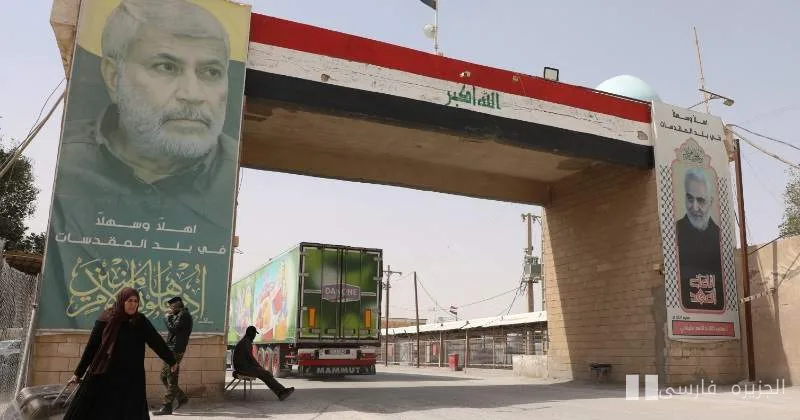
In a sudden and controversial move, Iraq has closed three of its important border crossings with Iran following the recent attack on Saudi Arabia's oil pipeline. These crossings, which include Shalamcheh, Chazabeh, and Al-Tayeb, have been completely halted for the movement of goods and passengers. This decision comes at a time when tensions in the region have significantly escalated, and border security has become a major challenge for neighboring countries.
Consequences of Iraq's Decision
Closing these crossings means serious disruption to trade and communications between the two countries. Many traders and travelers who relied on these crossings will now face numerous difficulties. This decision could also exacerbate tensions between Iran and Iraq and complicate the situation in the region.
Iraqi officials have stated that the reason for this action is the increased security risks and threats posed by drone attacks, which appear to have been carried out by armed groups. The attack on the East-West oil pipeline in Saudi Arabia, one of the most important oil transport lines in the world, has raised serious concerns at the international level.
The Future of Iran-Iraq Relations
While these crossings served as a bridge between the two countries, their closure may lead to a reduction in economic and cultural cooperation. Many experts believe that Iraq's action could lead to increased tensions in the region and the emergence of new crises. In this context, the future of Iran-Iraq relations will be significantly affected by this decision, and reactions from both sides should be awaited.