الجزیره فارسی
روایت خاورمیانه
الجزیره فارسی
روایت خاورمیانه 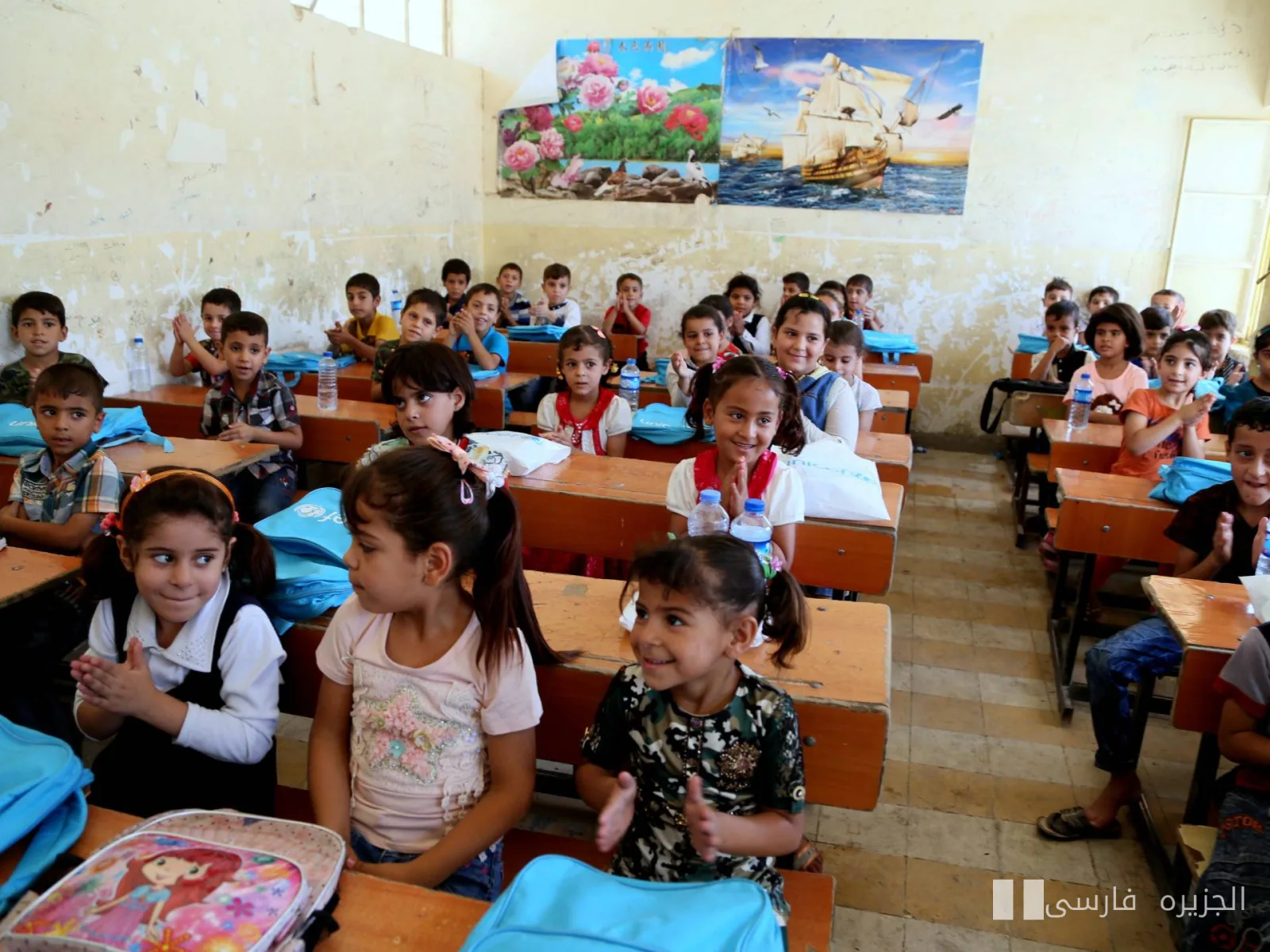
Iraq is experiencing a remarkable demographic transformation; where family sizes are consistently shrinking and the fertility rate is declining. According to available statistics, this rate was about ۶ children per woman in ۱۹۹۷, which has now decreased to ۳.۱ children in ۲۰۲۴.
Declining Fertility Trends and Their Impacts
While population growth in Iraq continues, the country's Ministry of Planning has predicted that this fertility rate will reach ۲.۳ births per woman by ۲۰۵۰. This decline in fertility could lead to the formation of smaller families and changes in social structure. Many experts believe that these changes may have profound consequences for the labor market, support systems, and even the culture of society.
Challenges and Opportunities
With declining fertility, challenges such as an increasing elderly population and the need for changes in social and economic policies arise. However, at the same time, this trend could create opportunities for improving quality of life and increasing education levels among youth. Economic and social advancements may emerge as a result of these changes, opening new horizons.
Given its rich and diverse history, Iraq is now on the verge of significant changes. These changes will not only affect the daily lives of people but could also lead to the formation of a new and more modern society. In this regard, addressing the challenges and opportunities ahead is vital for the government and planners.