الجزیره فارسی
خبرگزاری
الجزیره فارسی
خبرگزاری 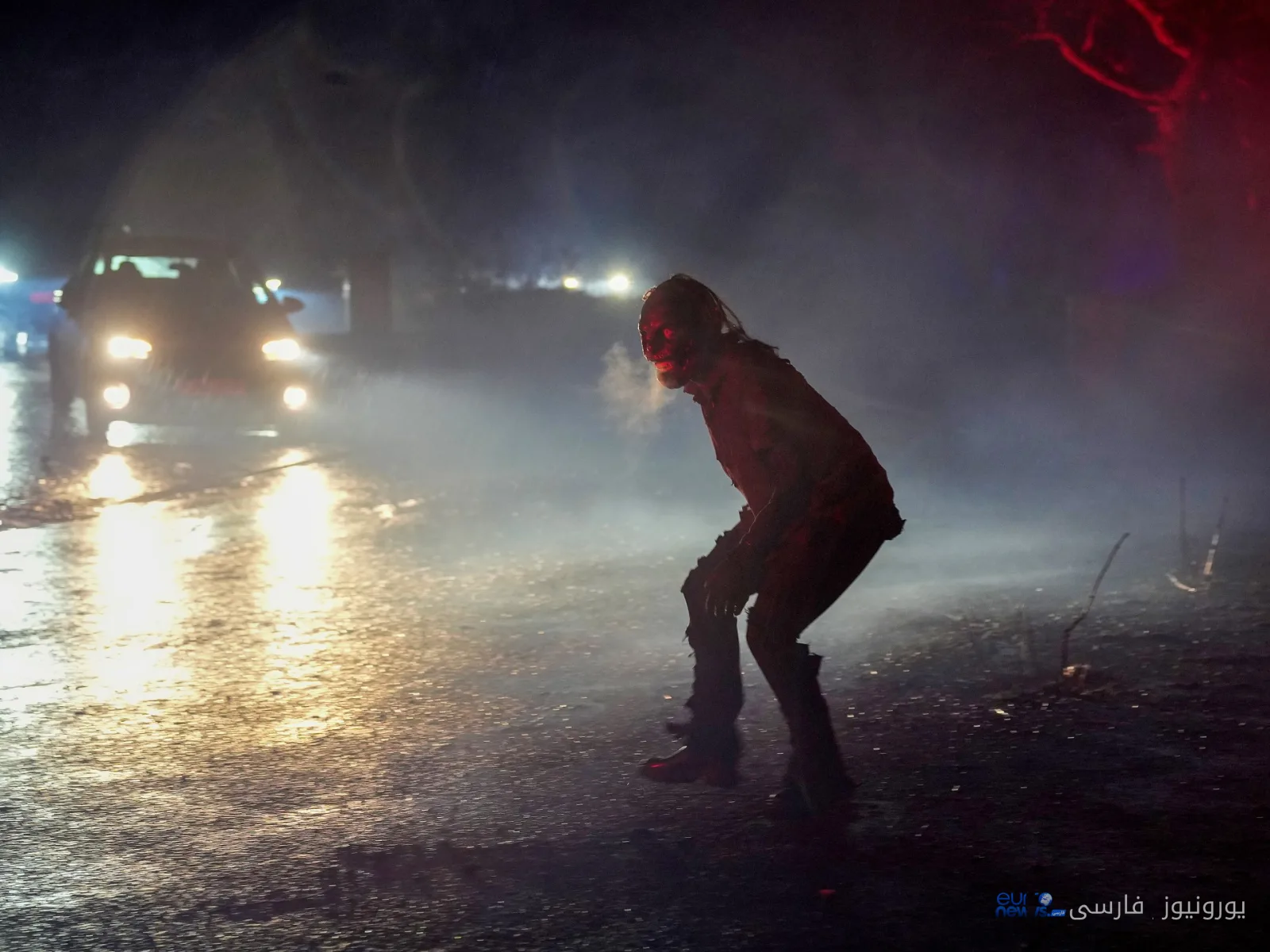
Horror cinema has entered the world of fear and anxiety since ۱۸۹۶ with its first works. This genre is recognized not only as a tool for entertainment but also as a reflection of the collective fears and concerns of human societies. The works of this genre, especially during critical periods in history, have profoundly examined and showcased social fears and crises.
History and Evolution of Horror Cinema
From the first horror films, which were made in black and white with simple effects, to today's modern and expensive productions, horror cinema has always been evolving. Films like "Frankenstein's Creature" and "The Silence of the Lambs" clearly demonstrate the changes in this genre and its impact on society. Additionally, these films can be seen as a reaction to the social and political fears of their time.
Collective Fears and Horror Cinema
In many countries, horror cinema has served as a tool to reflect collective fears, including wars, economic crises, and nuclear threats. These films remind us that fears are not merely individual issues but are also representative of social and political realities. Therefore, the horror genre is deeply intertwined with the spirit of its time.
However, Arab cinema has faced its own unique challenges. Despite limited and scarce productions, this cinema has attempted to connect its stories with horror elements and address social and cultural issues. Although there is still a long way to go, new works indicate innovation and creativity in this field.
Ultimately, horror cinema is not only presented as an entertaining genre but also as a social and cultural mirror. This cinema, with its careful analysis of fears and challenges of the time, reminds us that fear is a human emotion that can lead us to a better understanding of ourselves and our society.