الجزیره فارسی
روایت خاورمیانه
الجزیره فارسی
روایت خاورمیانه 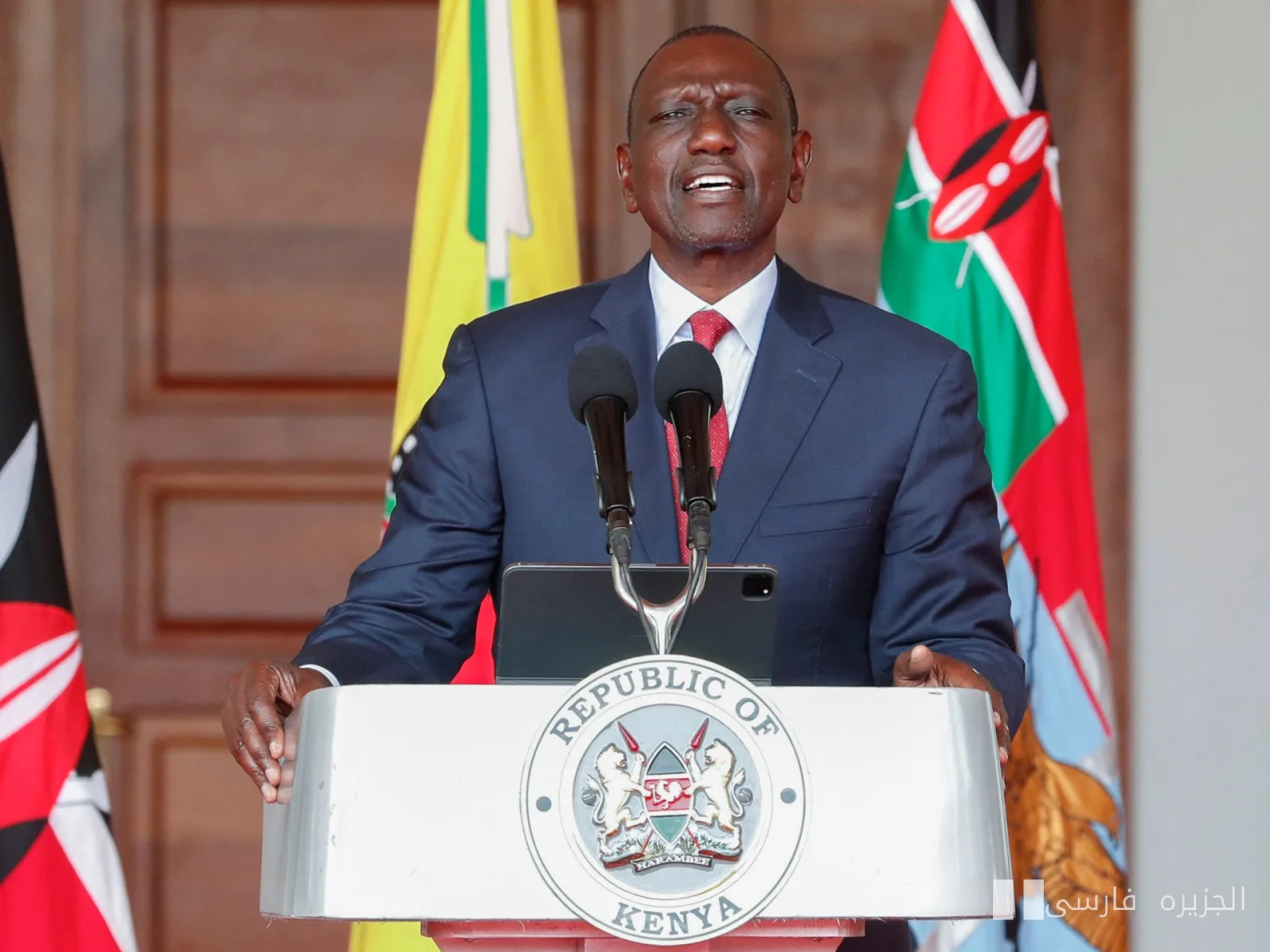
The Kenyan government, led by President Ruto, is controversially seeking to limit the activities of foreign traders in local markets. This decision has been made to support local small businesses and seems aimed at creating a safer environment for local trade. But will this decision only benefit Kenya, or will it have negative consequences?
Supporting Local Businesses or Isolation?
President Ruto has explicitly stated in his recent speeches that small businesses should be exclusive to Kenyans and that the activities of foreign traders should be restricted. This move is clearly aimed at strengthening the domestic economy and creating job opportunities for local people. However, this perspective could lead to a form of economic isolation and have repercussions for Kenya's trade relations with other countries.
Some analysts believe that this policy may lead to reduced competition in the market and hinder economic progress. In fact, foreign traders often bring experience and innovation to local markets, which can contribute to economic growth and development.
Social and Economic Consequences
This policy shift may also have significant social consequences. While some local businesses may benefit from these new regulations, others may face rising prices and reduced choices. Meanwhile, foreign traders may seek to exit the Kenyan market, which could in turn lead to unemployment and a decrease in tax revenues.
The Kenyan government must carefully consider these decisions and be aware of their repercussions. While supporting local small businesses is essential, it should be remembered that a successful economy requires diversity and competition. Will these actions ultimately benefit the people of Kenya, or will they lead to some form of economic isolation? This is a question that only time will answer.