الجزیره فارسی
پایگاه خبری و تحلیلی
الجزیره فارسی
پایگاه خبری و تحلیلی 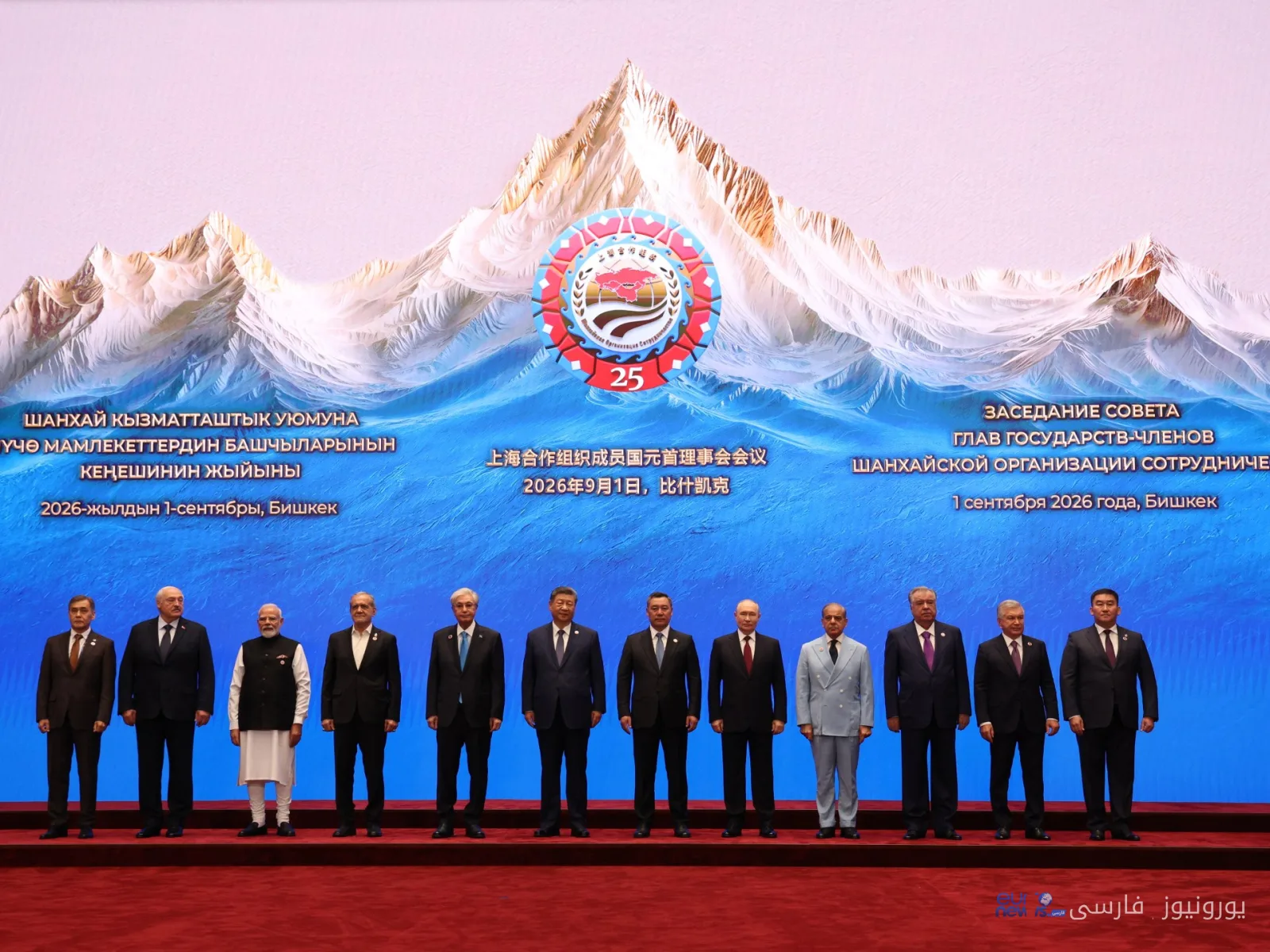
In today's world, which is rapidly moving towards multipolarity, countries recognized as middle powers are facing new challenges. While these powers seek to create balance in the global system, they are presented with a unique opportunity to expand their influence. But at what cost do these opportunities come?
Multipolarization and Middle Powers
Based on recent developments, organizations such as BRICS and the Shanghai Cooperation Organization (SCO) have become platforms for countries with less influence against the pressures of major powers. These institutions can help alleviate economic and political pressures, but at the same time, they lack effective collective defense mechanisms. This means that countries must seek to secure their own safety alone, which can lead to increased tensions and confrontations.
Security Challenges and Strategic Choices
Middle powers, understanding that they may not receive necessary support in critical times, must develop new strategies to ensure their national security. These new choices place them in a difficult position; as despite having more options, they have fewer guarantees for their security. For instance, while economic and political cooperation can help strengthen relations between countries, in times of crisis, these relationships may not be strong enough.
These challenges clearly show that middle powers, despite the greater opportunities they have gained, must make decisions carefully. Can these countries trust each other in a multipolar world and support one another in times of crisis? Or must they go to battle against external pressures alone?
In summary, as major powers seek to stabilize their positions, countries and middle powers must make decisions wisely. These choices not only affect their national security but can also influence the future of the global system.