الجزیره فارسی
روایت خاورمیانه
الجزیره فارسی
روایت خاورمیانه 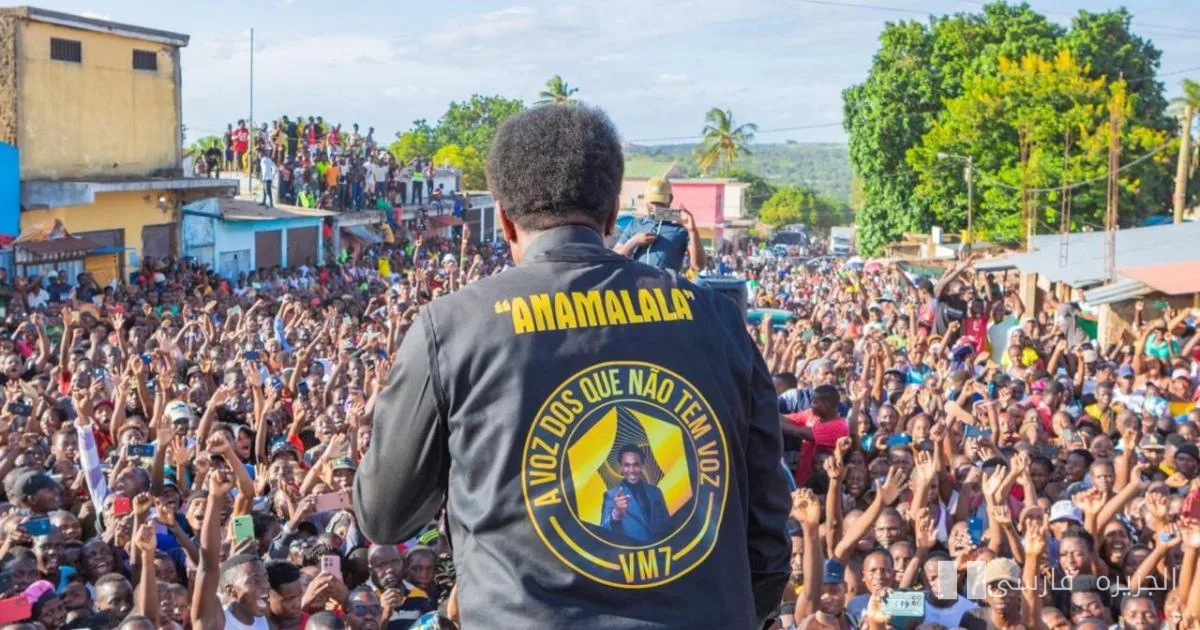
The trial of Alfonso Mundlane, an opposition politician in Mozambique, has become the focus of both domestic and international attention due to serious charges that include five counts. These charges were brought following widespread protests that occurred after the controversial ۲۰۲۴ elections in the country. Many observers believe that this trial will not only affect Mundlane's political fate but also the future of democracy in Mozambique.
Political and Social Background
The ۲۰۲۴ elections in Mozambique were accompanied by significant controversies, and their results were heavily questioned. In this context, Mundlane emerged as a key opposition figure and quickly became a symbol of protests against the government. The protests that began following the announcement of the election results rapidly escalated into violence, raising serious concerns about human rights violations and the suppression of civil liberties.
Consequences of the Trial
The trial of Mundlane is seen as a serious test for Mozambique's judicial and political institutions. Some analysts believe that this trial could be used as a political tool to suppress dissent and consolidate government power. In this regard, international reactions may also be influential. It is anticipated that external pressures, particularly from human rights organizations, could impact the Mozambican government and affect the trial process.
On the other hand, this trial could serve as an opportunity to strengthen grassroots and political movements. Many of Mundlane's supporters believe that this trial could symbolize the struggle for freedom and democracy in Mozambique and, in a way, amplify the voices of the silenced to the world.