الجزیره فارسی
روایت خاورمیانه
الجزیره فارسی
روایت خاورمیانه 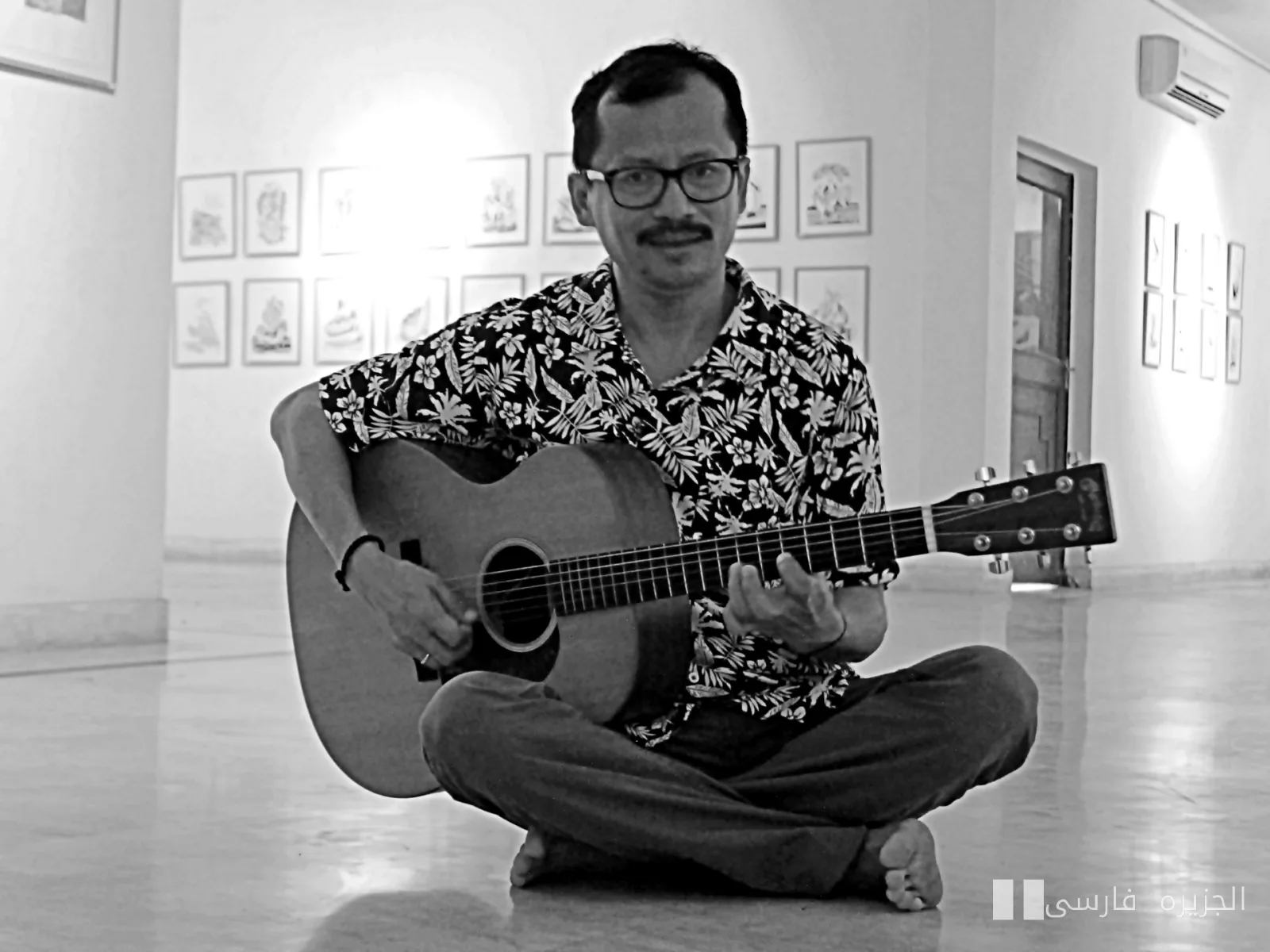
The murder of a famous musician from Northeast India in the capital of the country has once again drawn attention to the issue of racism and institutional discrimination in Indian society. This incident, which recently occurred in Delhi, has not only shocked the music community but has also brought widespread protests from the people of Northeast India and their supporters.
Old Wounds
The young guitarist, known for his talents in music, was brutally murdered on the streets of Delhi. This incident revived the deep racism and discrimination that the people of Northeast India continuously face. Many witnesses and social activists believe that this type of behavior has become a serious problem in Indian society and reflects a lack of acceptance and respect for racial and cultural diversity.
According to some activists, this murder should be viewed not only as an individual crime but as part of a larger pattern of racism and social discrimination in India. The Northeast Indian community continuously suffers from cultural and social discrimination, and this incident clearly highlights this bitter reality.
Protests and Reactions
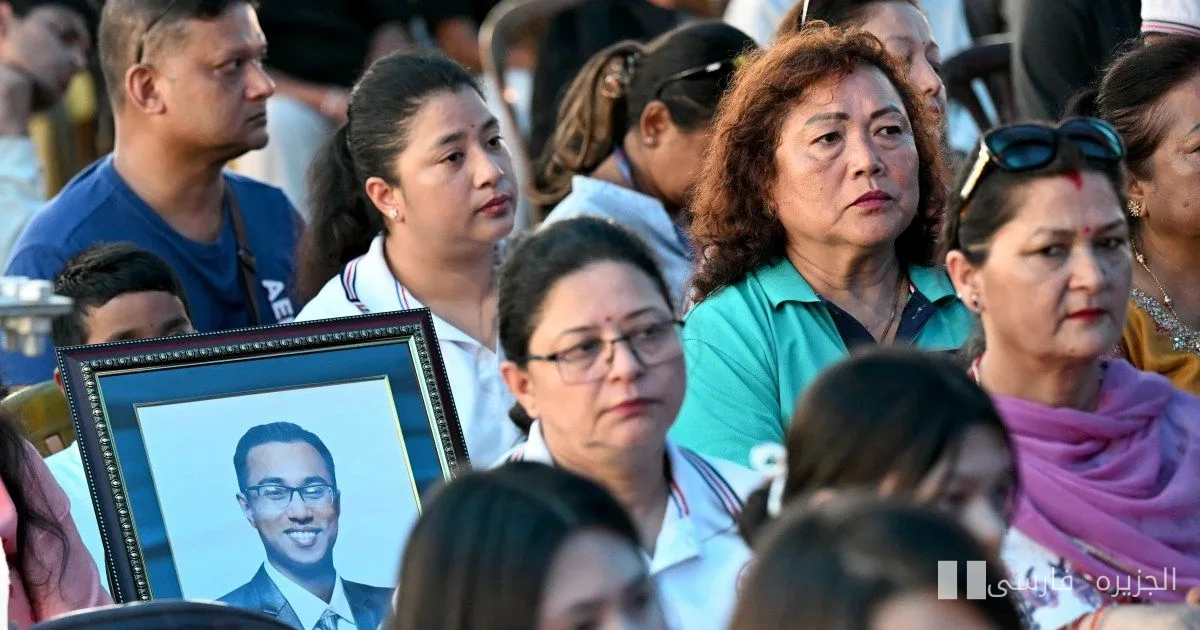
Following this crime, widespread protests erupted on the streets of Delhi and other major cities in India. People gathered to demand justice for this musician and also called for a change in racial and social attitudes in the country. These protests have provided an opportunity for dialogue about the deep-rooted and institutional discrimination in society and prompted many people to think about fundamental changes in this area.
While this incident has drawn significant attention, many questions have arisen about how legal and social systems are addressing issues of racism and discrimination in India. Could this murder be a turning point for social change, or will it merely be another incident in a chain of violence and discrimination?