الجزارا فارسی
روایت خاورمیانه
الجزارا فارسی
روایت خاورمیانه 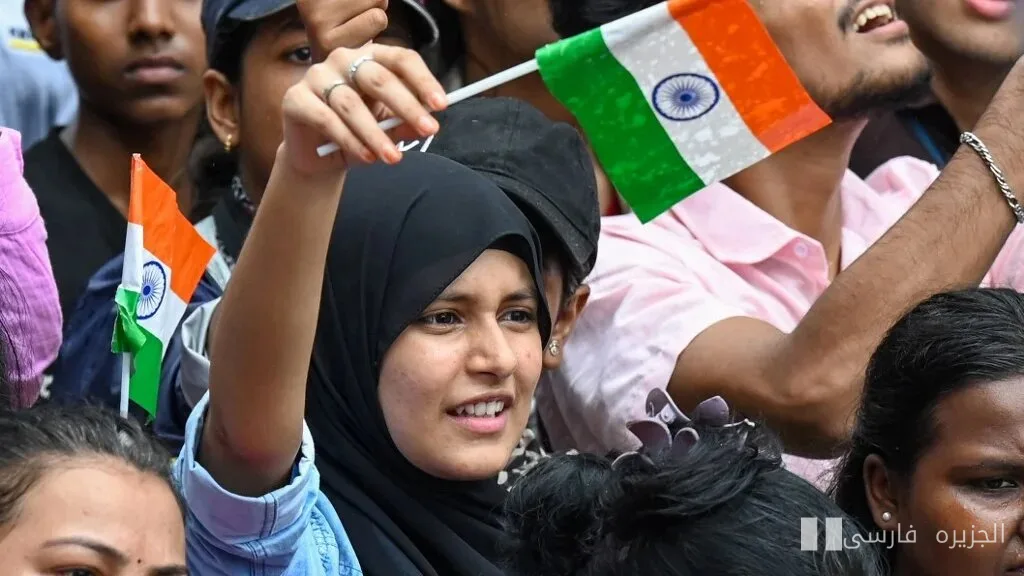
In recent months, with the increase in protests by the Janta Party (CJP) in Delhi, Muslim families have advised their children to refrain from participating in these gatherings. These recommendations are not due to a conflict with the ideals of this movement, but rather out of fear of harassment, false accusations, and threats.
Political Culture and Its Consequences
For many students, participation in protests at Jantar Mantar is seen as a reflection of the importance of national issues, but Muslim youth in India must always weigh the consequences of their actions. Some Muslim activists have been imprisoned without trial for years, while others have faced the destruction of their homes.
The fact that, in the eyes of the government, being a "Muslim" takes precedence over being a "student" means that staying at home may appear as political indifference from the outside, while within the community, it is a form of caution for safety.
Historical Experience and Barriers to Participation
Warnings to Muslim youth stem from their years of experience with political consequences. Protests against the Citizenship Amendment Act, which denies Muslims the right to citizenship in India, hold significant historical importance for this community. These protests led to organized violence in February 2020, resulting in the deaths of 53 people, mostly Muslims.
In an environment where Muslims are continuously targeted, surveilled, and subjected to violence, caution is a natural outcome of experience. However, some Muslims still participated in CJP protests; including Mohammad Junaid, who claims to have been harassed by the police after attending these protests.
The CJP movement has clearly emphasized that its policies belong to Indian youth. The founder of this movement, Abhijit Deepak, has repeatedly stated that Indian politics has long focused on Hindu-Muslim issues and that matters such as education and employment should take priority. But for Muslims, ethnic policies are unavoidable and always influential in all areas.
The government's inflammatory rhetoric and attacks on Muslims have created a tense protest atmosphere for Muslim youth. In this context, the decision to participate in protests has become a serious challenge for them.