الجزارا فارسی
روایت خاورمیانه
الجزارا فارسی
روایت خاورمیانه 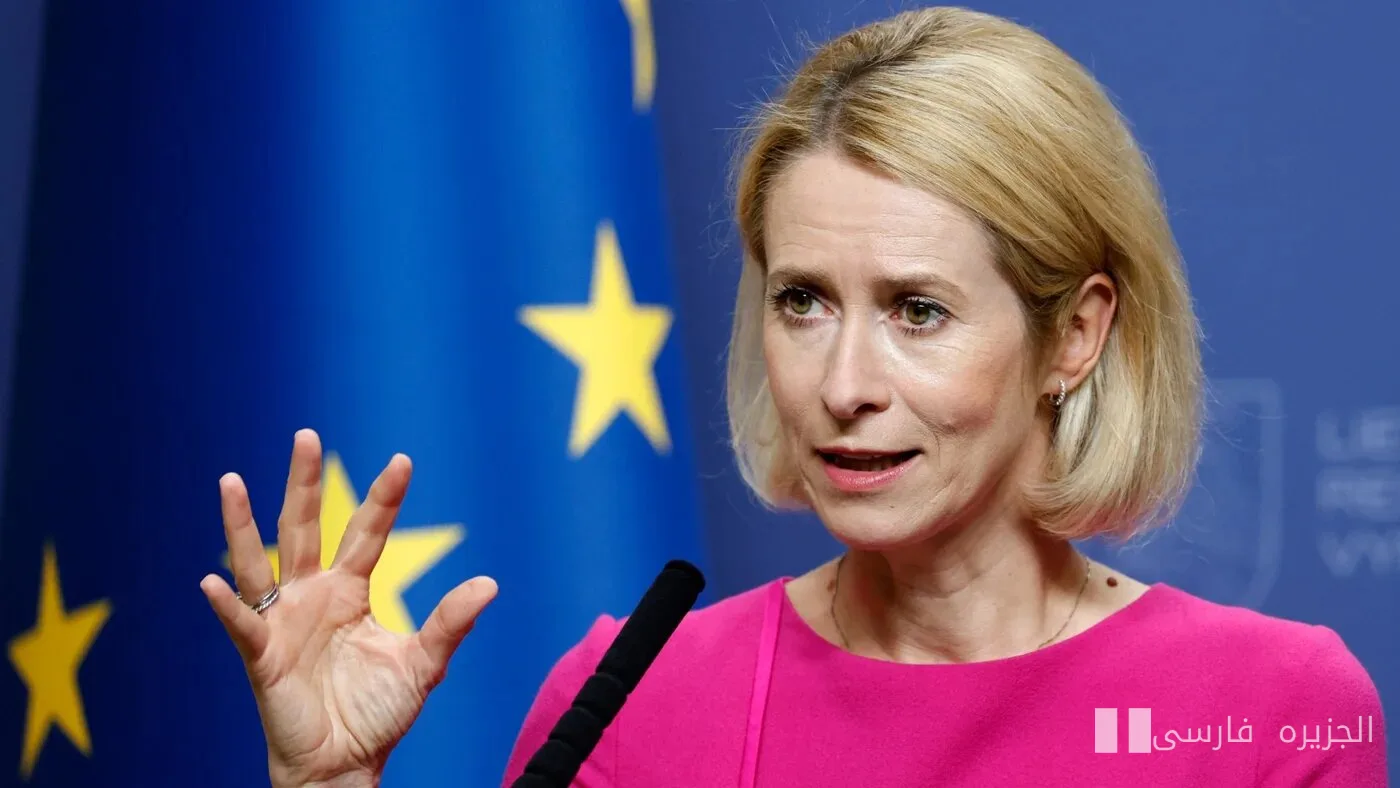
In a controversial remark, Josep Borrell, the head of the European Union's foreign policy, stated that Israeli settlements should be examined and met with international response just like Crimea, which has been occupied by Russia. These statements come at a time when tensions in the Middle East have reached their peak and the international community is seeking solutions to ongoing crises in the region.
Legal and Political Consequences
Borrell emphasized that Israeli settlement activities in Palestinian territories are not only illegal but also lead to human rights violations, referring to international law. He added that the international community should pay more attention to this issue and avoid double standards regarding occupation. These statements clearly indicate a shift in the European Union's policies towards Israel and Palestine.
While many countries continue to support Israel, Borrell's remarks could lead to changing attitudes and the formation of new coalitions at the international level. It seems that the European Union is trying to exert more pressure on Israel to halt settlement activities using this strategy.
Global Reactions
These statements have been met with various reactions from different countries. Some analysts believe that this positioning could escalate tensions between Israel and European countries. In contrast, human rights advocacy groups welcomed these remarks, viewing them as a sign of change in Europe's public policies.
Given the current situation in the Middle East and rising tensions, Borrell's statements could mark a turning point in international relations. It remains to be seen whether these positions will indeed lead to tangible changes in Israel's policies and the global community.