الجزارا فارسی
روایت خاورمیانه
الجزارا فارسی
روایت خاورمیانه 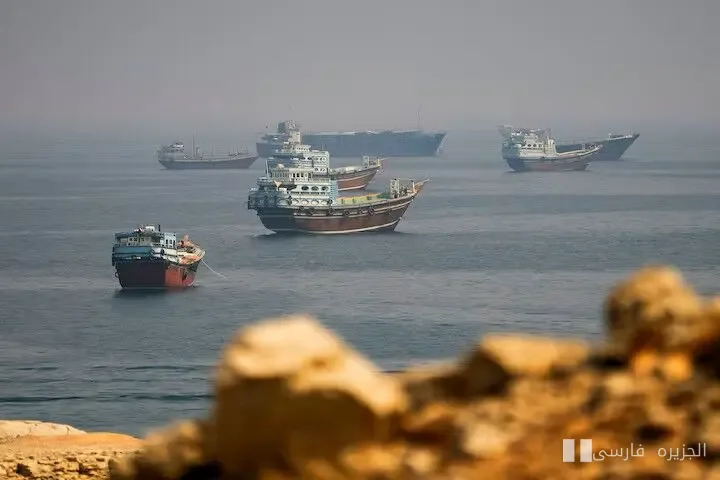
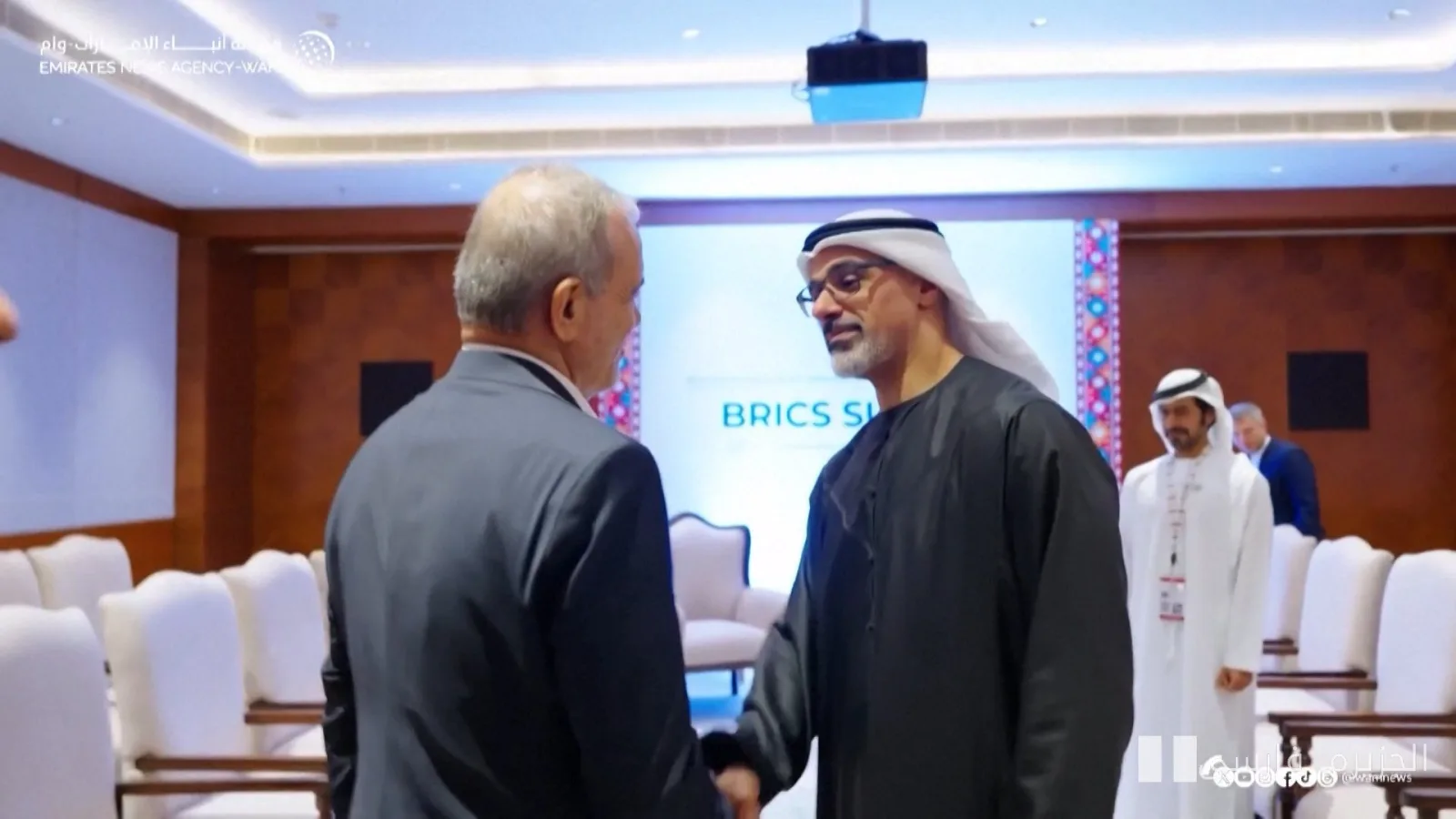
While many international observers and analysts were awaiting the results of the recent meeting of Gulf Cooperation Council countries, a senior Iranian official announced that no agreement for the opening of the Strait of Hormuz would be signed at this meeting. This strait, considered one of the most important and strategic waterways in the world, has always been at the center of regional tensions and crises.
Impacts of No Agreement
The Strait of Hormuz, recognized as a gateway for the transfer of oil and gas from the Persian Gulf to global markets, plays a vital role in the global economy. The lack of agreement at this meeting could lead to increased tensions in the region and negative consequences for the energy market. Economic analysts believe that the absence of an agreement could exert more pressure on global oil prices and lead to greater fluctuations in financial markets.
Future Outlook
Despite these statements, some experts were hopeful that this meeting could pave the way for reducing tensions and improving relations among the Gulf Cooperation Council countries. However, it seems that with the announcement of this news, hopes for a comprehensive and sustainable agreement in the Strait of Hormuz have diminished. The Strait of Hormuz, as one of the key points for global energy supply, will continue to be influenced by regional political and economic developments, and this situation requires more attention and careful consideration from international actors.