الجزیره فارسی
روایت خاورمیانه
الجزیره فارسی
روایت خاورمیانه 
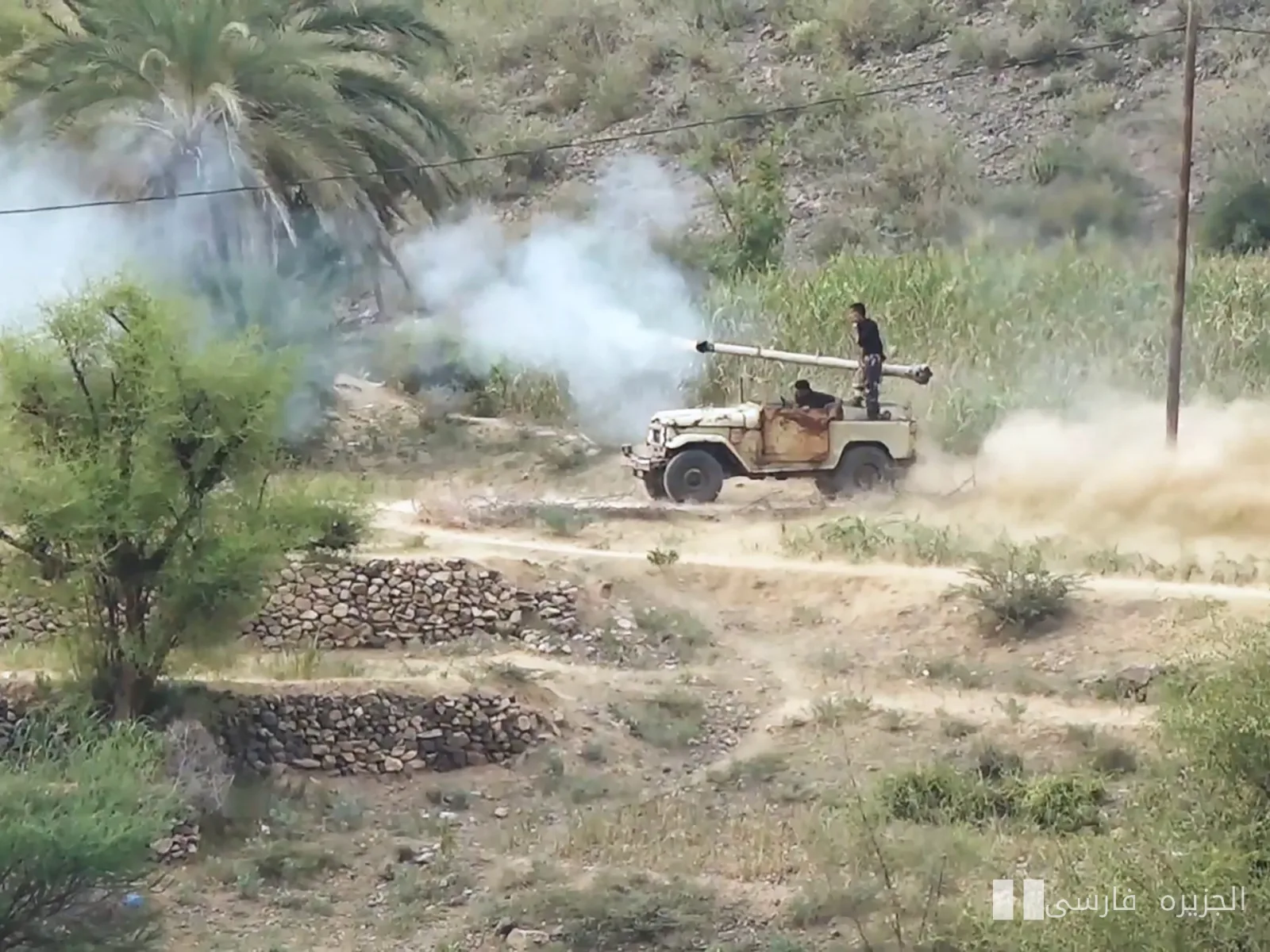
In a significant development, Pakistan has announced that if the Houthi attacks on Saudi Arabia continue, the Makkah Defense Agreement may be activated. This warning clearly reflects the growing concerns in the region and could have wide-ranging implications for the security of the Middle East.
The Makkah Defense Agreement and Its Implications
The Makkah Defense Agreement, designed to enhance the security of Muslim countries against external threats, is now in the spotlight. Given the increase in Houthi attacks on Saudi Arabia and other neighboring countries, Pakistan emphasizes the need for a swift and decisive response from Islamic countries. This agreement allows member countries to assist each other in the event of serious threats.
Analysts believe that this agreement could act as a deterrent against the Houthis. Additionally, its activation may lead to increased tensions in the region and encourage other countries to intervene in conflicts.
Concerns and Future Outlook
Given the current situation, many countries in the region are concerned about the consequences of this agreement. While some view it as a positive defensive measure, others worry that it may exacerbate tensions. In fact, this situation could lead to a vicious cycle where conflicts and tensions escalate day by day.
Ultimately, the future decisions of Pakistan and other Muslim countries could determine the fate of security in the Middle East. Will these countries be able to act cohesively against threats, or should we expect new crises to emerge in the region?