الجزیره فارسی
روایت خاورمیانه
الجزیره فارسی
روایت خاورمیانه 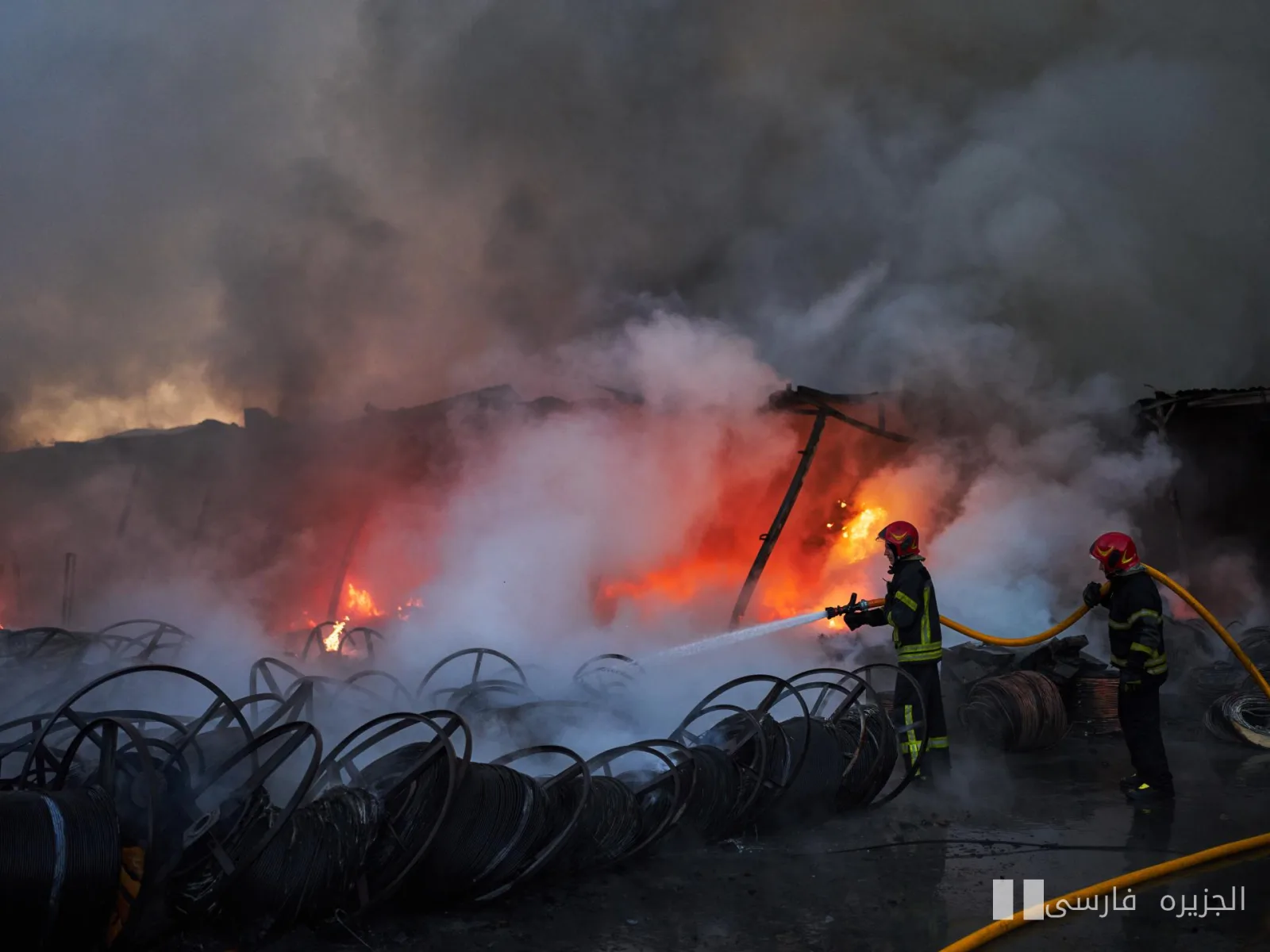
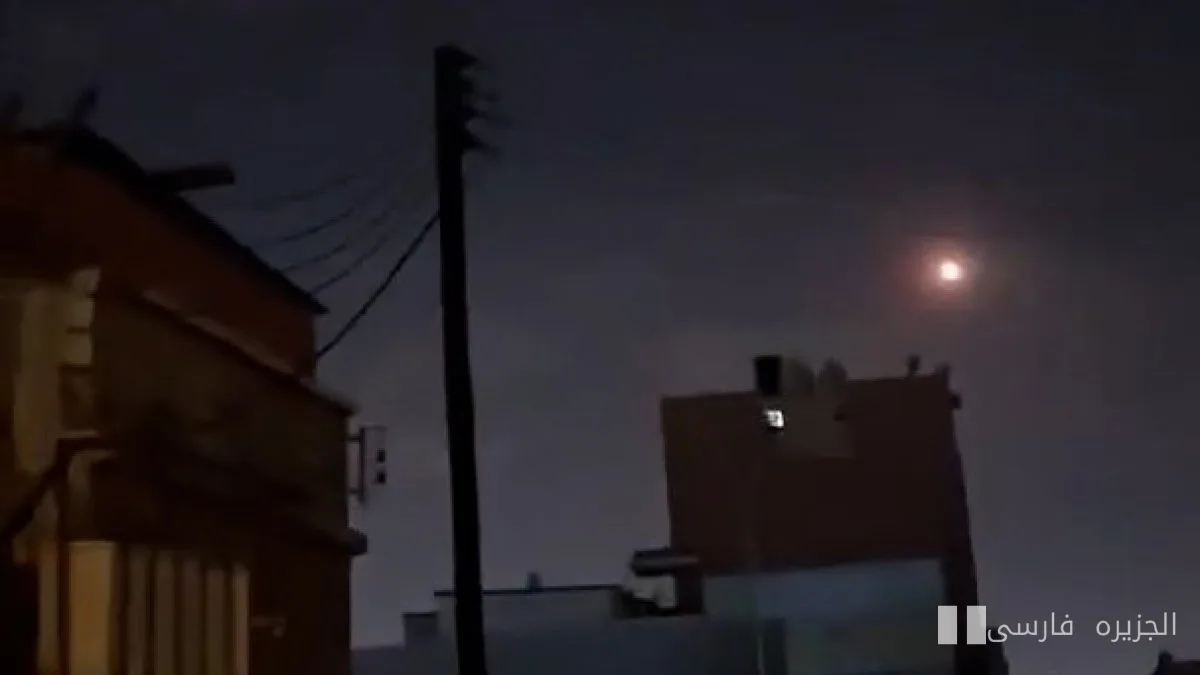
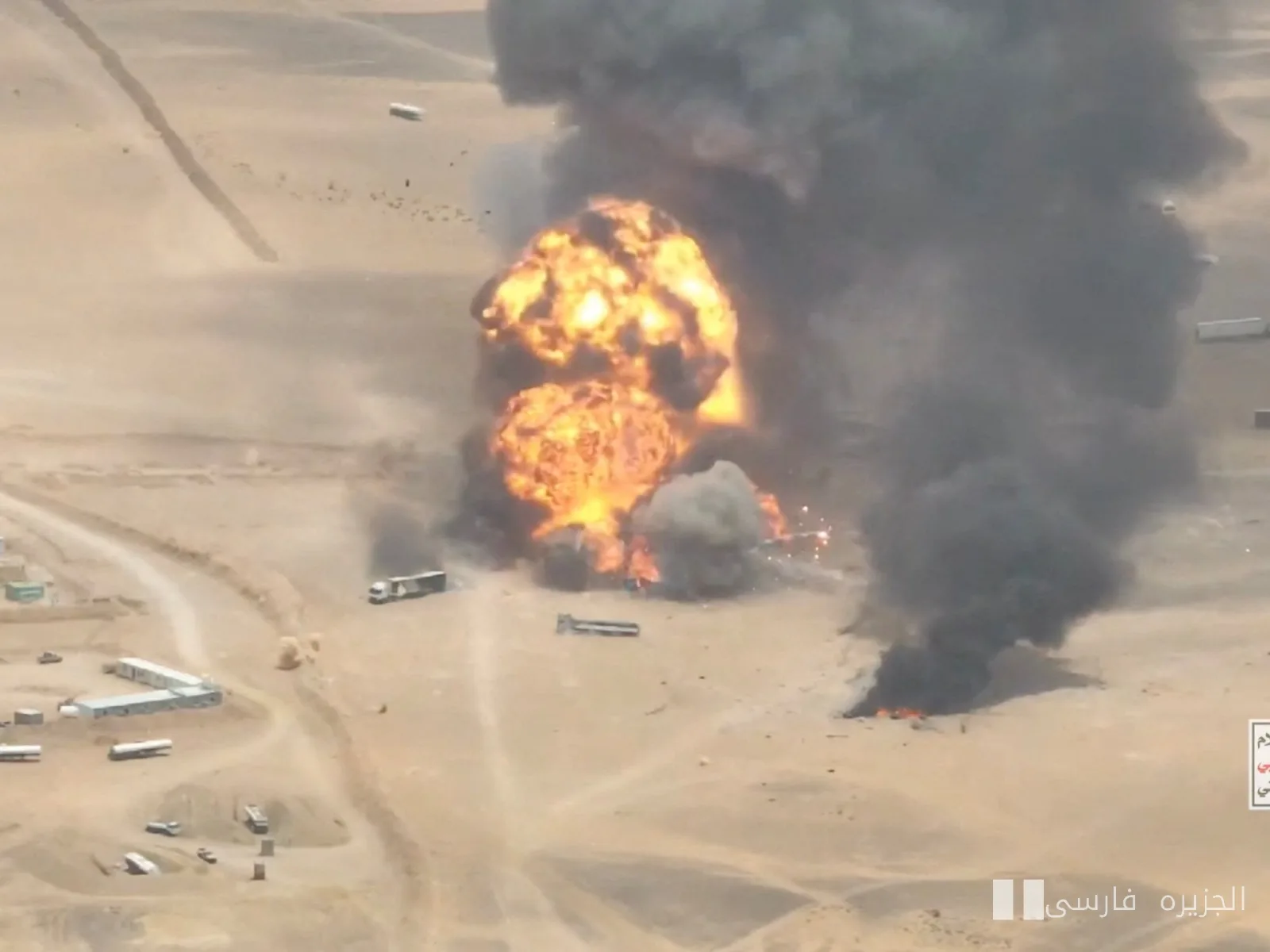
After a temporary ceasefire that lasted three days, tensions on the front lines of the Ukraine war have flared up once again. Russia and Ukraine have attacked each other's critical infrastructure with missile strikes and the use of drones. These attacks clearly indicate the end of the relative calm that had emerged following recent negotiations.
Failed Ceasefire and Increased Risks
The three-day ceasefire, which was established to facilitate humanitarian aid and reduce tensions, seems to have failed due to disagreements over key details. During this time, both sides have informally been gathering forces and equipment and have now returned to the battlefield with greater intensity. This situation has significantly impacted regional security and raised new concerns for neighboring countries, especially Poland.
New Threats for Poland
The Polish government, as one of Ukraine's neighboring countries, is closely monitoring the developments and appears to have increased its military readiness in response to the rising threats. Polish officials have stated that if these tensions continue, they may be forced to take more serious measures to protect their borders and internal security. This situation reflects the unintended consequences that this war has on an international level and, in a way, places Poland at the forefront of this crisis.
As the war in Ukraine continues to rage, many questions remain about the future of this region and its implications for international relations. Will this crisis ultimately lead to peace and stability, or will it continue to fuel conflicts and tensions?