الجزیره فارسی
روایت خاورمیانه
الجزیره فارسی
روایت خاورمیانه 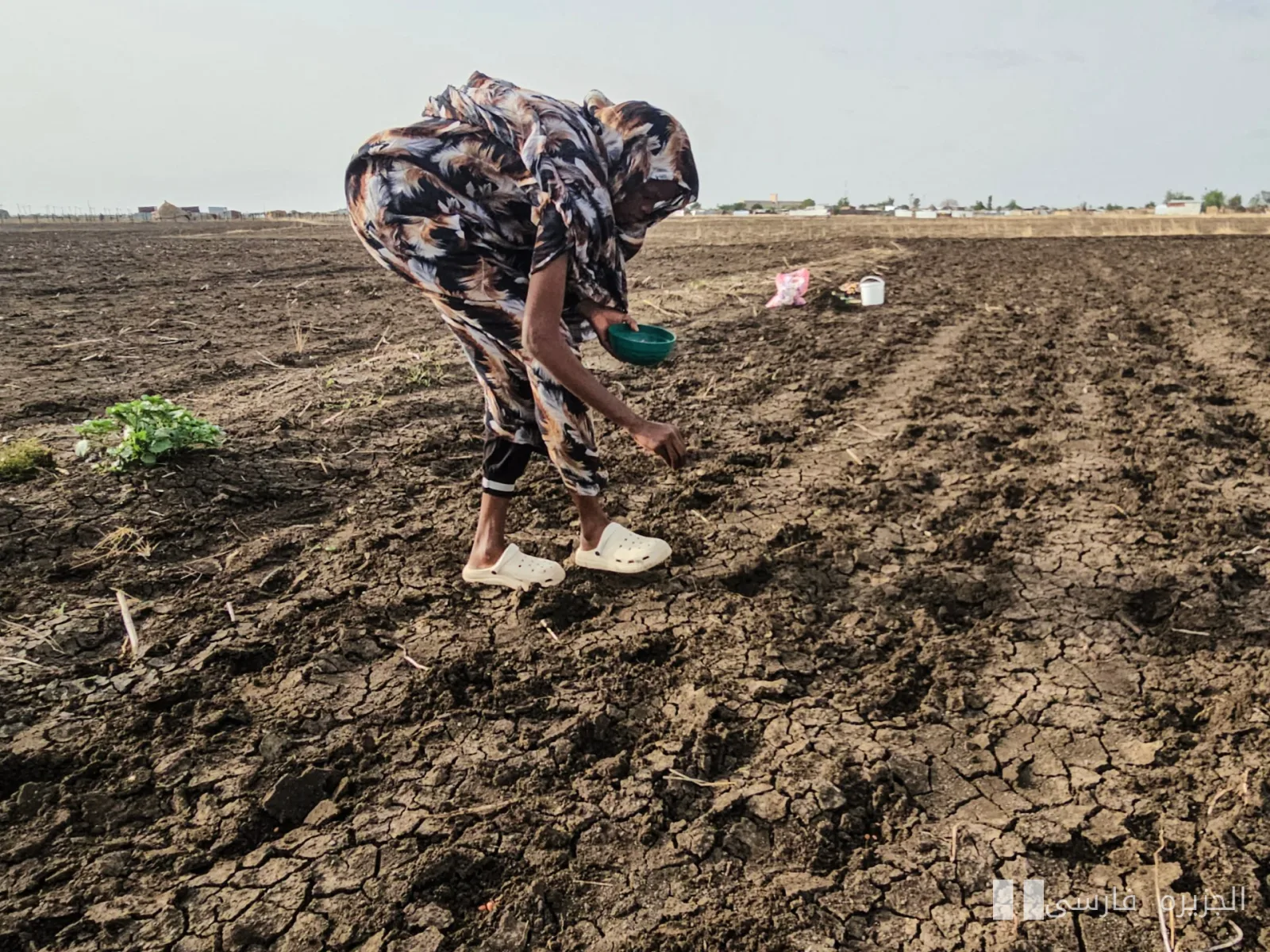
In a serious warning for the future of Sudan's food security, satellite images obtained from the European "Sentinel-۲" satellite show a significant decline in vegetation cover in the states of Gezira, White Nile, and Qadarif. These areas are recognized as vital arteries for supplying the country's food, and any disruption in their condition could have dire consequences.
Negative Impacts on Agriculture
The reduction in vegetation cover means decreased soil fertility and consequently, a drop in agricultural production. Farmers in these areas are facing new challenges that could lead to reduced income and increased poverty in the community. This situation arises while the country is currently grappling with multiple economic and social challenges.
Worrying Outlook
It seems that climate change and poor management of water resources are among the factors exacerbating this crisis. Moreover, if immediate actions are not taken to restore vegetation cover and improve agricultural conditions, Sudan may face a serious food crisis.
As large segments of Sudan's population depend on agriculture, this decline in vegetation cover not only affects food production but could also fuel unrest and social crises. Therefore, there is an urgent need for effective measures and sustainable solutions to improve agricultural conditions and protect natural resources.