الجزیره فارسی
روایت خاورمیانه
الجزیره فارسی
روایت خاورمیانه 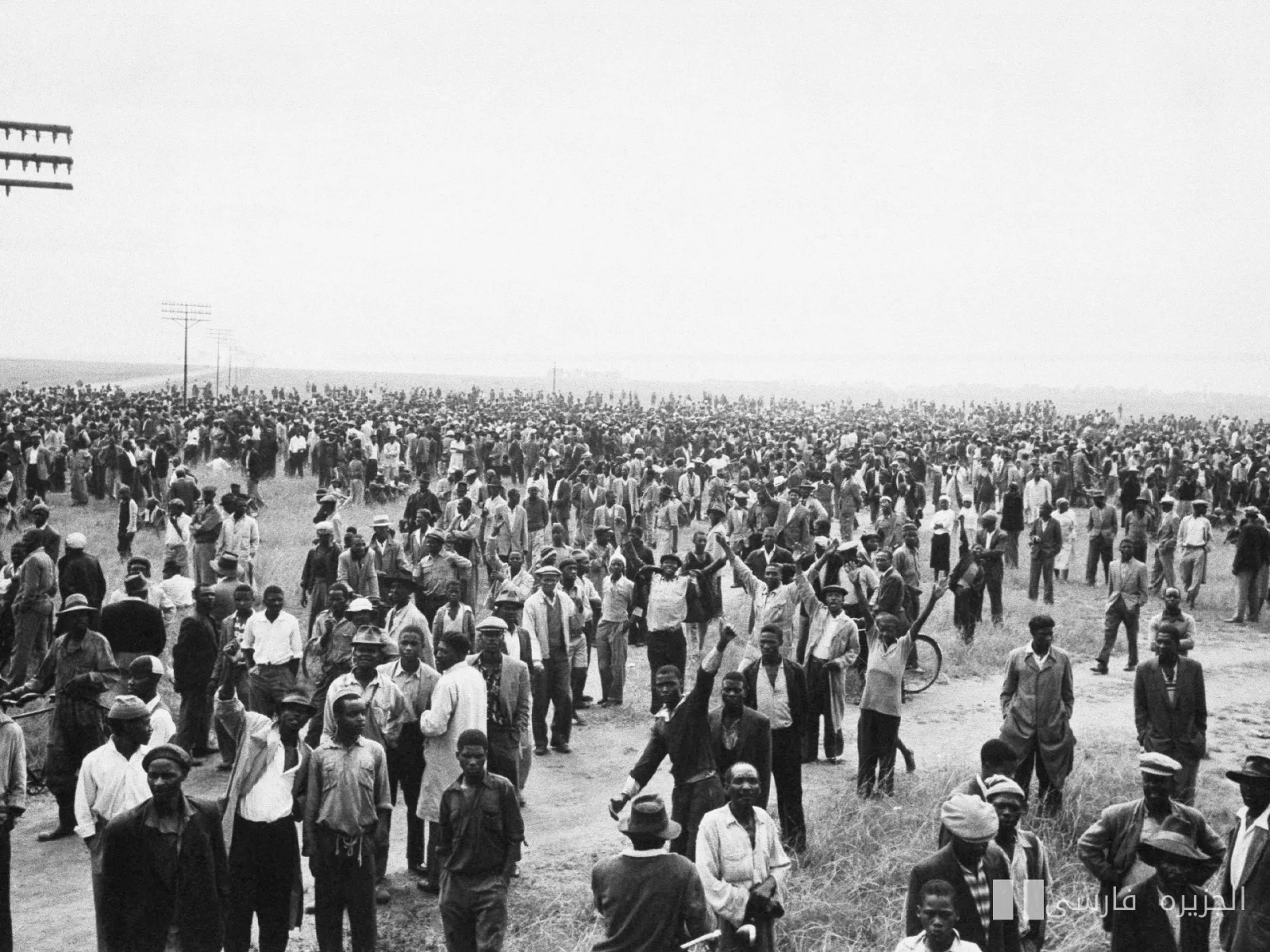
The Sharpeville massacre, one of the darkest days in South African history, occurred in ۱۹۶۰ when police opened fire on a crowd of anti-apartheid protesters. This incident, which resulted in the deaths of ۶۹ people and injuries to hundreds more, not only serves as a reminder of the violence of the apartheid regime but also left deep scars in the hearts of the victims' families.
Legal Challenges and Remembrance of Past Pains
Now, ۶۶ years after this incident, survivors and the families of the victims are turning to the courts in an effort to achieve justice for their lost loved ones. This legal process not only reflects the bitter historical truths but also symbolizes the will and resilience of new generations.
The families face numerous challenges along this path. Many still bear deep emotional wounds from the memory of that horrific day. Meanwhile, some of the officials responsible at the time have not been called to account, and justice remains elusive.
Social and Cultural Consequences
This massacre not only affected the lives of the victims but also shaped a society where the voices of protesters against oppression and inequality have become louder than ever. Over the years, numerous memorials have been held for these victims, and significant efforts have been made to raise awareness among future generations about this event.
In this regard, families have become a force standing for justice and truth against inequalities. By holding gatherings and marches, they keep the memory of their victims alive and remind others never to forget what happened to them.
In any case, the story of the Sharpeville massacre is far from over, and families continue to strive to honor the memory of the victims through their quest for justice. Will these efforts lead to changes in legal and social systems? Only time will tell.