الجزیره فارسی
روایت خاورمیانه
الجزیره فارسی
روایت خاورمیانه 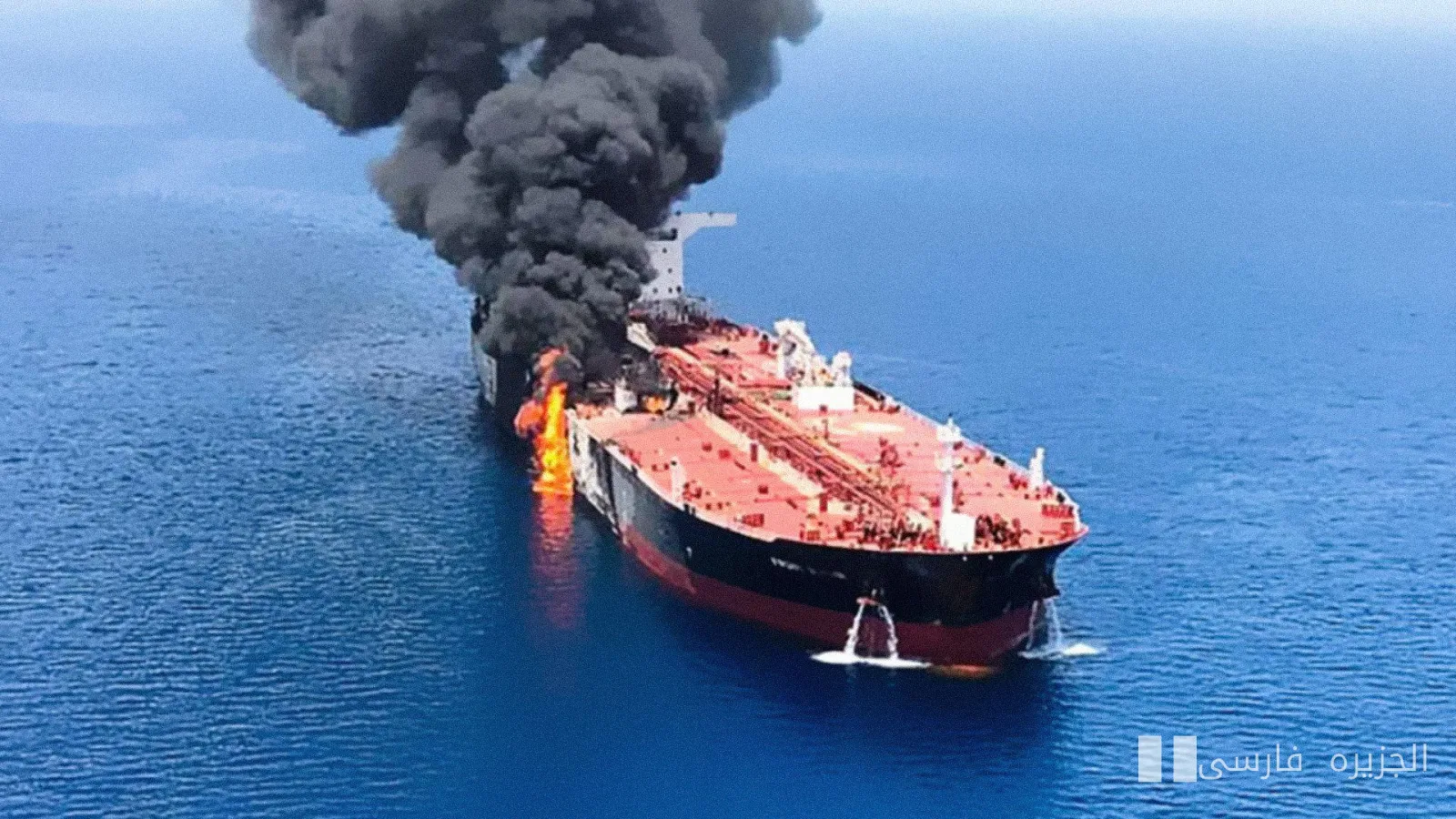
The Strait of Hormuz, a vital artery for the transfer of oil and other goods, has become a tense arena these days. As the tanker war between the United States and Iran intensifies, economic and military dimensions are intricately intertwined. Both sides are trying to establish new rules to control this strategic waterway; however, it seems they are caught in a negative balance.
Economic and Military Impacts
As oil prices fluctuate under the influence of these tensions, both countries are seeking ways to protect their interests. Iran aims to strengthen its position in the region and increase pressure on the United States. On the other hand, the United States is also trying to prevent further Iranian influence in the Strait of Hormuz through military presence and sanctions. This situation harms not only the economies of these two countries but also the global oil market.
The Future of this Negative Balance
Despite threats and retaliatory actions, neither side wants to directly enter into war. This fragile balance carries many risks. Can Iran achieve its goals through indirect tactics? And will the United States be able to maintain pressure and prevent the expansion of Iranian influence? These questions remain unanswered, casting the future of the Strait of Hormuz into uncertainty.
Ultimately, the Strait of Hormuz has become a field where not only military power but also economic intelligence plays a crucial role. This struggle is not just for oil but for control of a future that seems to lie in the hands of great powers.