الجزیره فارسی
روایت خاورمیانه
الجزیره فارسی
روایت خاورمیانه 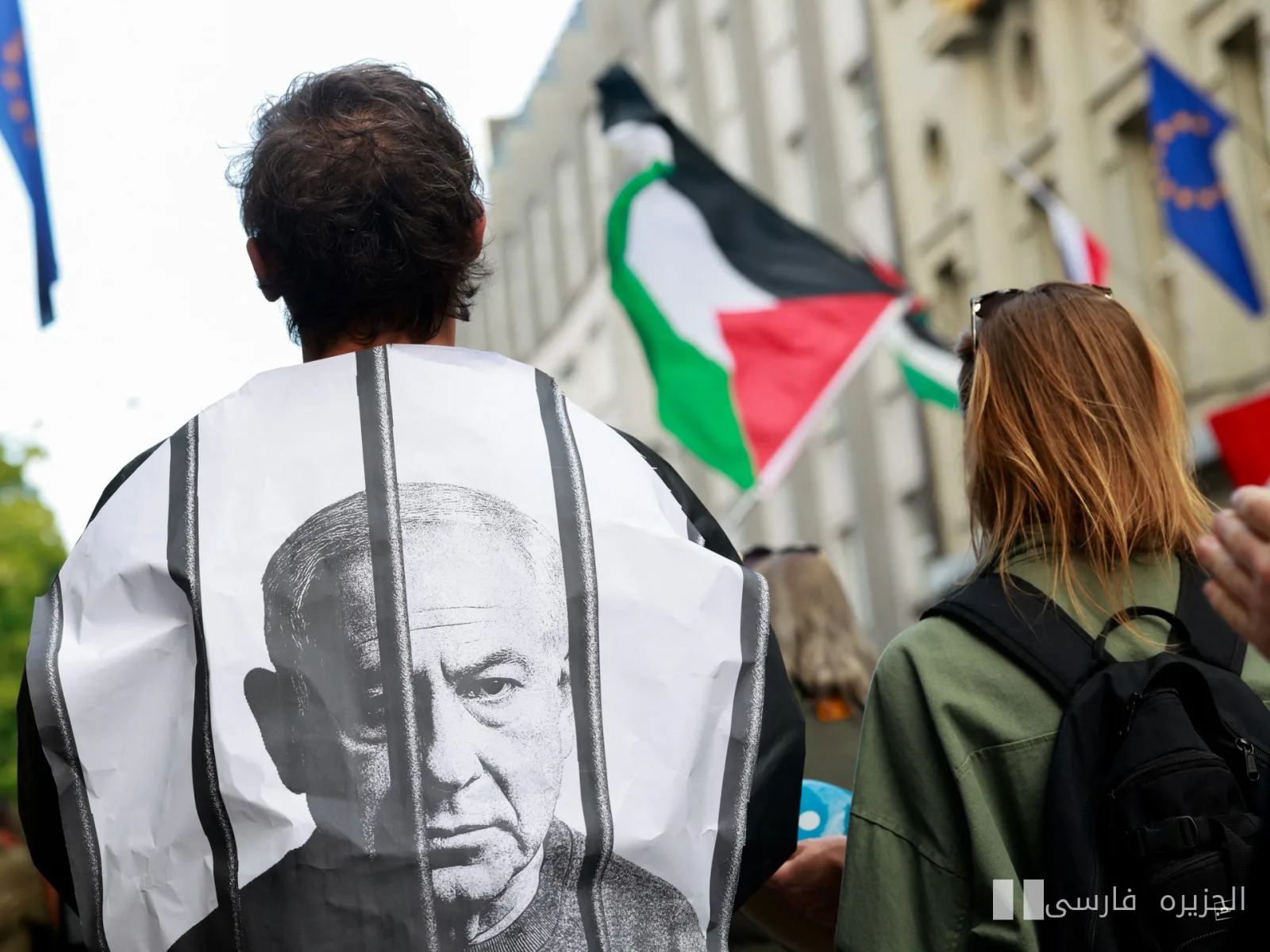
In a notable shift in Slovenia's foreign policies, the country is set to open the Israeli embassy in its capital, Ljubljana. This symbolic move signifies the closer ties between Slovenia and Israel under the management of the new right-wing government, which has come to power after years of tension with the left-wing administration.
Changes in Slovenia's Foreign Policy
The previous Slovenian government had a strained relationship with Tel Aviv due to severe criticisms of Israel's policies in Gaza, particularly regarding human rights and recent conflicts. However, with the rise of the new government, which leans towards right-wing and nationalist policies, the country is looking to rebuild its historical relations with Israel. This shift in Slovenia's foreign policy has elicited various reactions among observers and analysts.
Challenges and Opportunities
The opening of the Israeli embassy in Slovenia not only represents a change in the political approach of the country but could also be seen as an opportunity to strengthen economic and cultural cooperation between the two nations. However, some observers are concerned that this decision may lead to increased tensions in the region and also within Slovenia itself. In fact, part of Slovenian society is worried about these changes and has expressed dissatisfaction.
Ultimately, Slovenia's return to the embrace of Israel under the management of the right-wing government could be considered a turning point in the contemporary history of the country. Will these changes lead to an improvement in Slovenia's international relations or, conversely, escalate tensions? Only time will answer these questions.