الجزیره فارسی
پایگاه خبری و تحلیلی
الجزیره فارسی
پایگاه خبری و تحلیلی 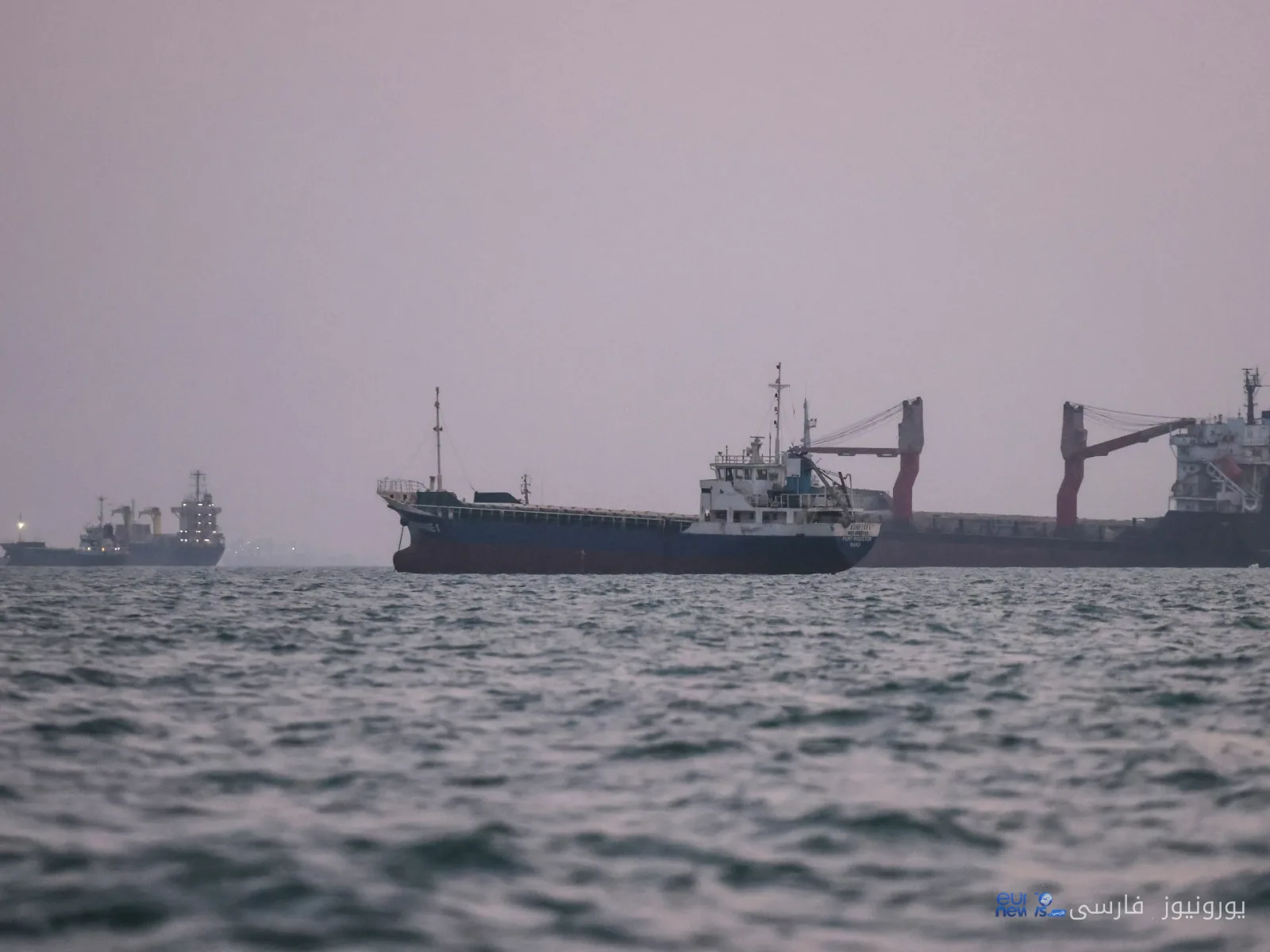
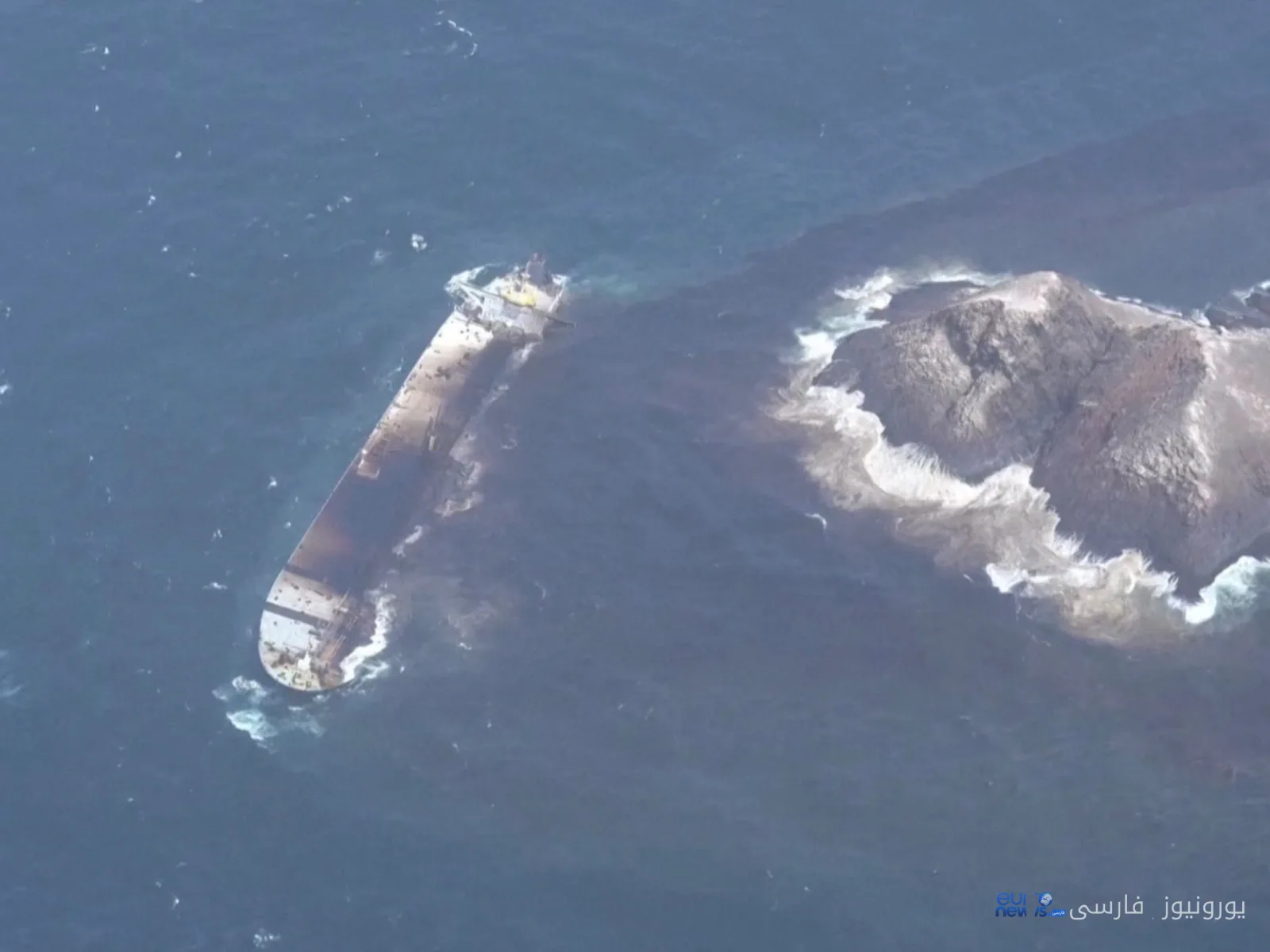
The Strait of Hormuz, one of the most important and busiest commercial waterways in the world, has recently become a battleground for two major regional powers. In recent months, tensions between the US and Iran have escalated unprecedentedly, with both countries aggressively launching attacks on each other's tankers.
Beginning of the Tanker War
Tensions began when the US increased economic and military pressures with the aim of limiting Iran's oil exports. In response, Iran intensified its attacks on commercial tankers flying the flags of the US and its allies. This tanker war has not only impacted the oil market but has also jeopardized maritime security in the region.
These conflicts, which have turned into global struggles, could have widespread consequences for the countries involved as well as for global energy markets. Many analysts believe that the continuation of this situation could lead to a larger crisis in the Middle East.
Uncertain Future
Reciprocal attacks between the two countries indicate a dangerous cycle that may lead to an all-out war. The main question is whether diplomacy can find a solution to this crisis or if these tensions will escalate into a larger military conflict.
Given the current situation, the future of this tanker war remains uncertain. However, what is clear is its impact on international relations and the security situation in the region. In this context, any misstep could have irreparable consequences.