الجزیره فارسی
پایگاه خبری و تحلیلی
الجزیره فارسی
پایگاه خبری و تحلیلی 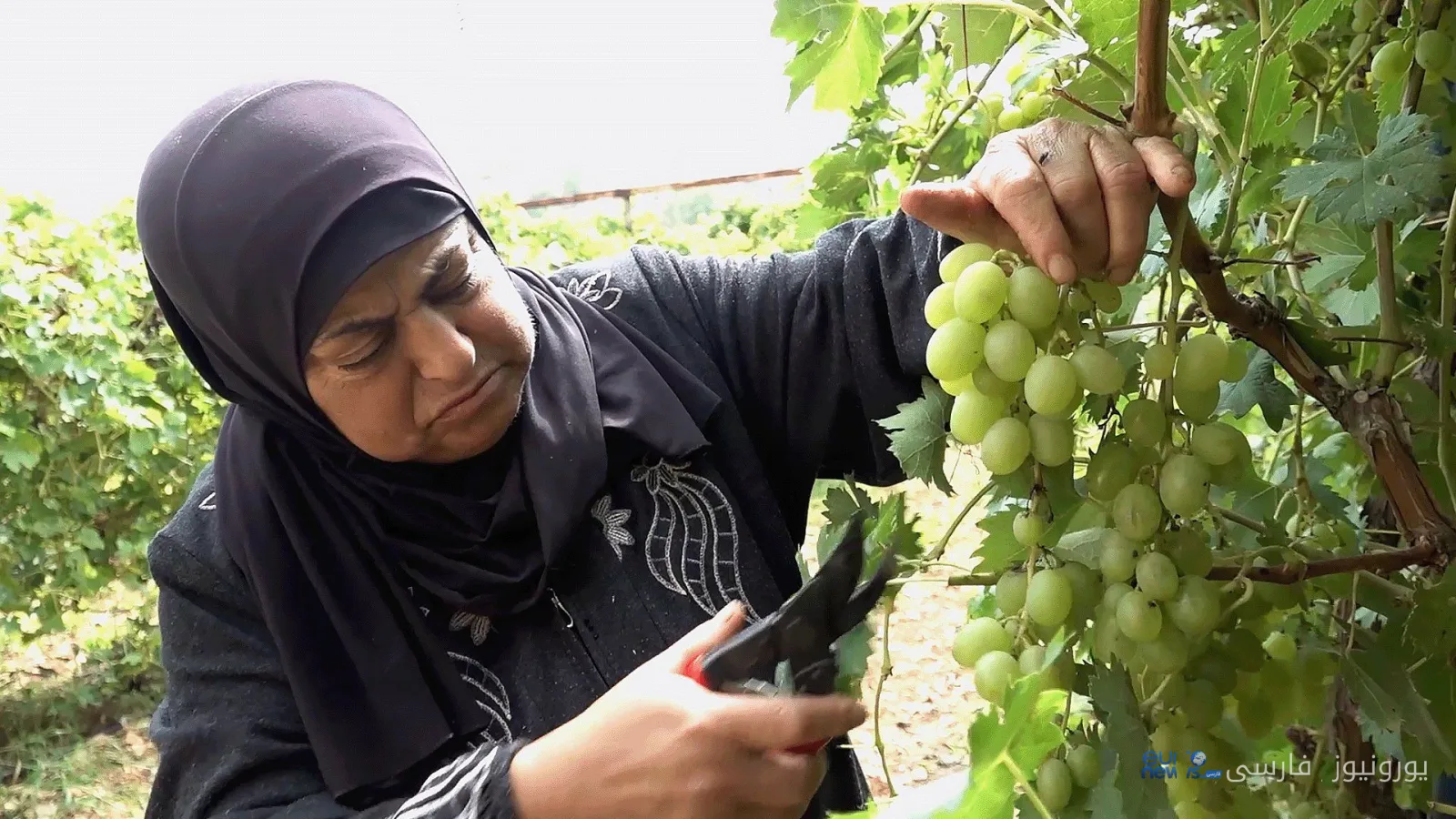
In the village of Beit Ummar, located at the southernmost point of the West Bank, Dhiybat al-Sab'a, a female farmer, stands with remarkable determination against the flood of settlers. This woman, who considers olive trees and agricultural lands her family heritage, faces new challenges every day that threaten not only her livelihood but also the future of her descendants.
Resistance in the Face of Hardships
The increasing presence of settlers on agricultural lands has put pressure on the lives of Dhiybat and her peers. Reflecting on the bitter and sweet experiences of her life, she recalls how these lands were once peaceful and cultivated with love. However, now this tranquility is overshadowed by the threats and aggressions of settlers. With each heartbreak, Dhiybat strengthens her resolve to protect the land and has come to believe that only through steadfastness can she continue the struggles of her peers.
Challenges of Daily Life
Dhiybat's daily life has been severely affected by the presence of settlers. She faces not only financial difficulties due to reduced income sources but also feels insecure due to security threats. However, she believes that these lands are not only a source of livelihood but also a symbol of her identity and culture, and nothing can take them away from her. As an independent and strong woman, Dhiybat continues to cultivate the land and has become a role model for other women and men in the village, demonstrating how one can find their way despite all challenges.
Despite all the hardships and challenges, Dhiybat al-Sab'a and her peers continue their struggles. They remember that being a landowner means not only working the soil but also preserving their identity, culture, and future. These stories resonate not only in the hearts of the mountains and plains of Beit Ummar but also in the hearts of every aware and awakened person.