الجزیره فارسی
روایت خاورمیانه
الجزیره فارسی
روایت خاورمیانه 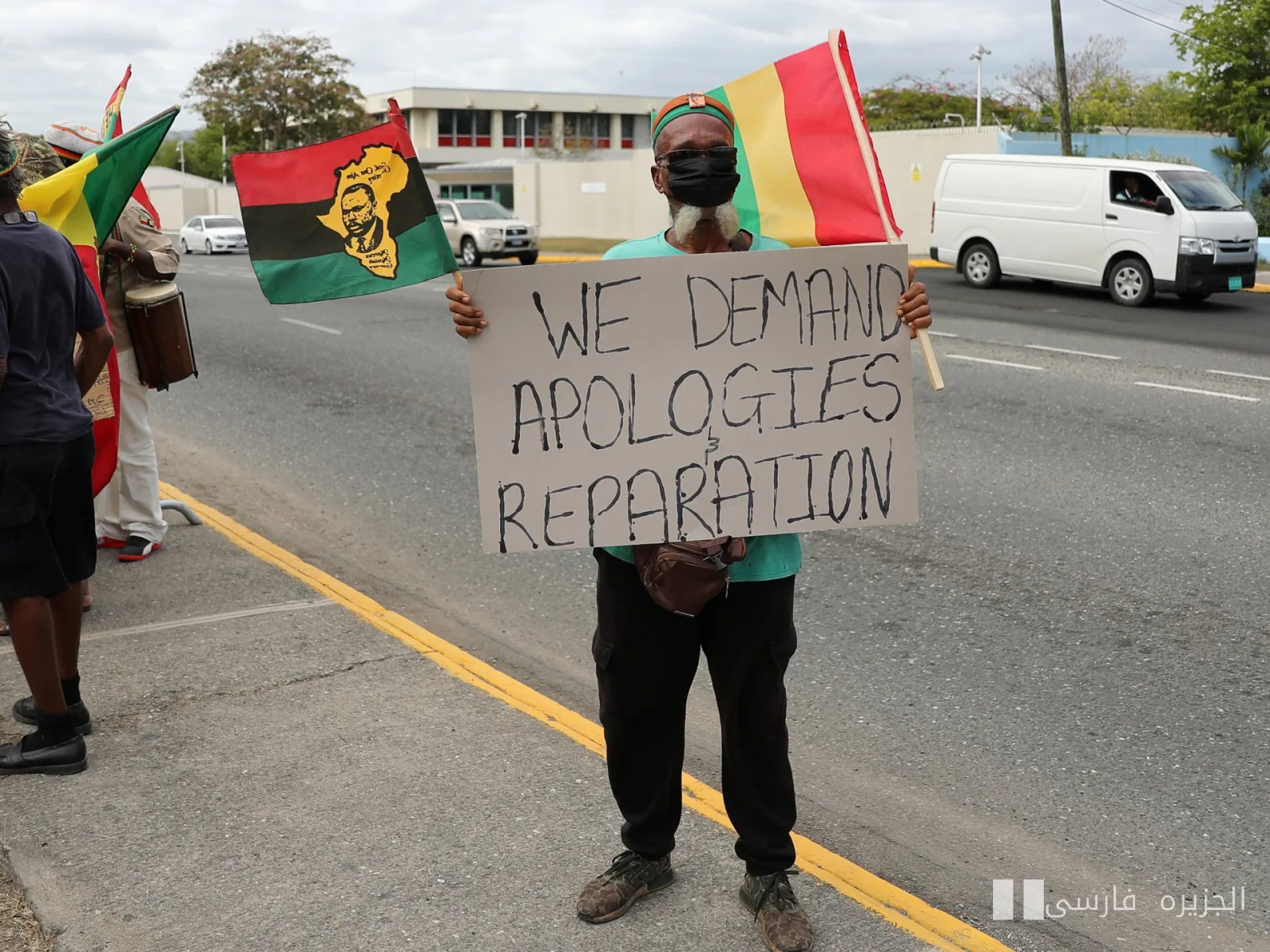
In recent days, the British government has responded negatively to Jamaica's request for compensation due to the bitter history of slavery that has cast a shadow over the country. This decision was made while the British government expressed regret over this past and somewhat acknowledged its historical responsibilities.
Reactions to the rejection of the compensation request
Following the announcement of this news, reactions from officials and human rights activists in Jamaica and other parts of the world quickly began. Many critics believe that this decision reflects a disregard for the suffering and harm that millions of ancestors of the Jamaican people endured due to slavery. This issue has once again raised questions about historical justice and the responsibilities of governments towards future generations.
Jamaica, as a country severely affected by slavery, is calling for compensation for the families and communities that have been harmed. Some local officials consider this a natural and historical right for their nation and believe that paying compensation could help restore historical relations between the two countries.
A summary of the history of slavery
The history of slavery in Britain and its colonies, especially in the Caribbean, has always been a controversial topic. Millions of Africans were transported to these regions as slaves between the ۱۷th and ۱۹th centuries and were subjected to inhumane conditions. This history has left not only economic and social impacts but also profound cultural and psychological consequences on the affected communities.
Despite expressing regret, the British government believes that paying compensation is not possible due to legal and financial complexities. However, many experts emphasize that this decision could lead to continued discontent and tensions between the two countries and affect international efforts to establish justice.