الجزارا فارسی
روایت خاورمیانه
الجزارا فارسی
روایت خاورمیانه 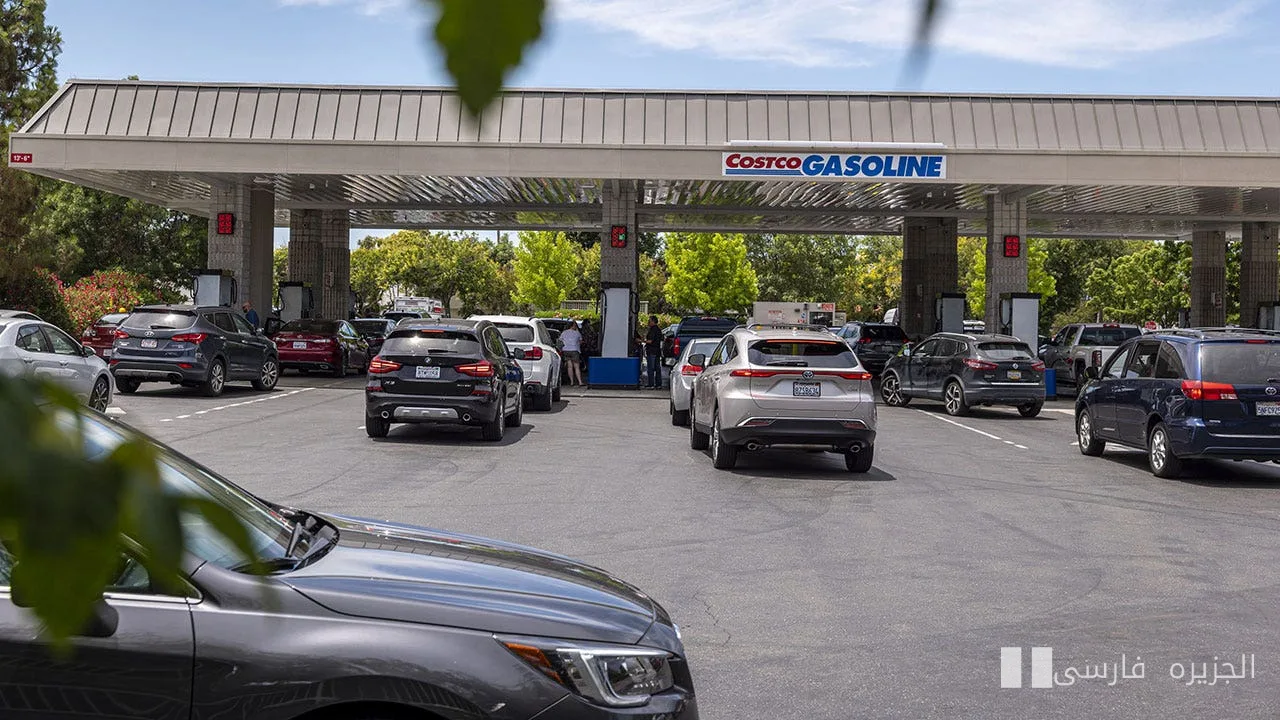
As tensions in the Middle East have reached a peak, American households are facing increasing pressures, particularly regarding energy costs. Analyses show that the war in Iran has led to rising gasoline and diesel prices, which have directly impacted people's daily lives.
Staggering Energy Costs
Recent estimates indicate that American households are paying an average of $860 more for energy this year compared to previous years. This amount adds up to over $100 billion in additional costs for households due to high fuel prices. This increase in costs has not only negatively affected people's purchasing power but has also heightened concerns about the country's economic situation.
With rising oil and gas prices following unrest in Iran, this trend is expected to continue. Economic experts warn that if the war persists, prices may rise even further, putting additional pressure on households. They believe this situation could lead to a decrease in public trust in the government and economic institutions.
Long-Term Impacts on the Economy
In addition to immediate costs, these conditions could have long-term consequences for the U.S. economy. Rising energy costs could lead to a recession in other economic sectors and ultimately impact the job market and people's living conditions. On the other hand, this situation could lead to increased public dissatisfaction and social protests, as people will face more serious challenges in meeting their daily needs.
In the meantime, the government and economic officials must take measures to alleviate these pressures and manage economic crises; otherwise, the repercussions of this war will affect not only energy but all aspects of people's economic and social lives.