الجزارا فارسی
روایت خاورمیانه
الجزارا فارسی
روایت خاورمیانه 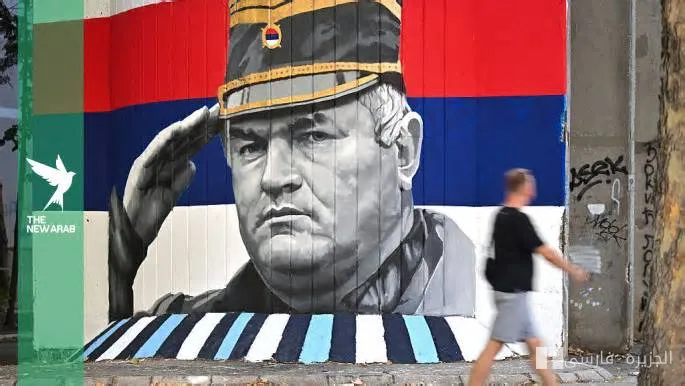
Ratko Mladić, the former commander of the Bosnian Serb Army and one of the most notorious war criminals in Balkan history, passed away at the age of 81. He had been sentenced to life imprisonment for his role in the genocide of Bosniaks in the 1990s and was serving his sentence in prison.
Details of Mladić's Burial
Mladić's burial took place on Wednesday in his hometown in Serbia. Despite being declared a 'private' ceremony, it was attended by a large presence of military personnel and government officials. Published images from the event show military personnel in uniforms and national flags, which itself indicates respect and reverence for this controversial figure.
Read more: American Concerns About Muslims 25 Years After 9/11
Consequences and Reactions
This burial has sparked significant controversy. Critics believe that the ceremony reflects a lack of accountability for the war crimes Mladić was accused of committing. While Serbia, particularly during the Bosnian War, played a key role in escalating tensions and violence, Mladić's burial raises the question of whether the country has yet approached the process of reconciliation and acceptance of historical realities.
This issue has been heavily criticized by human rights organizations and advocacy groups. They believe that such ceremonies can strengthen extreme nationalism and incite further violence in the future. Meanwhile, some of Mladić's supporters portray him as a national hero of the Serbs, claiming that he acted in defense of the Serbian people against what they termed 'aggression.'
A Look at Mladić's Criminal History
Ratko Mladić, as a key figure in the Bosnian War, was sentenced to life imprisonment for his role in the Srebrenica massacre and other war crimes. The Srebrenica massacre in 1995, which resulted in the killing of approximately 8,000 Muslim men and boys, is one of the most horrific examples of genocide in modern history. Consequently, Mladić is recognized as a symbol of violence and hatred in the region.
The presence of Serbian officials at his burial and the holding of a grand ceremony for a war criminal have significantly increased criticism and caused political tensions at both domestic and international levels. In this context, it is expected that this event will impact the reconciliation process in the Balkans and raise questions about how to process history and remember past atrocities.
Read more: Disaster at Sea: The Sinking of a Passenger Ship in Indonesia · Controversial Tribute to a War Criminal: Royal Burial in Serbia