الجزیره فارسی
روایت خاورمیانه
الجزیره فارسی
روایت خاورمیانه 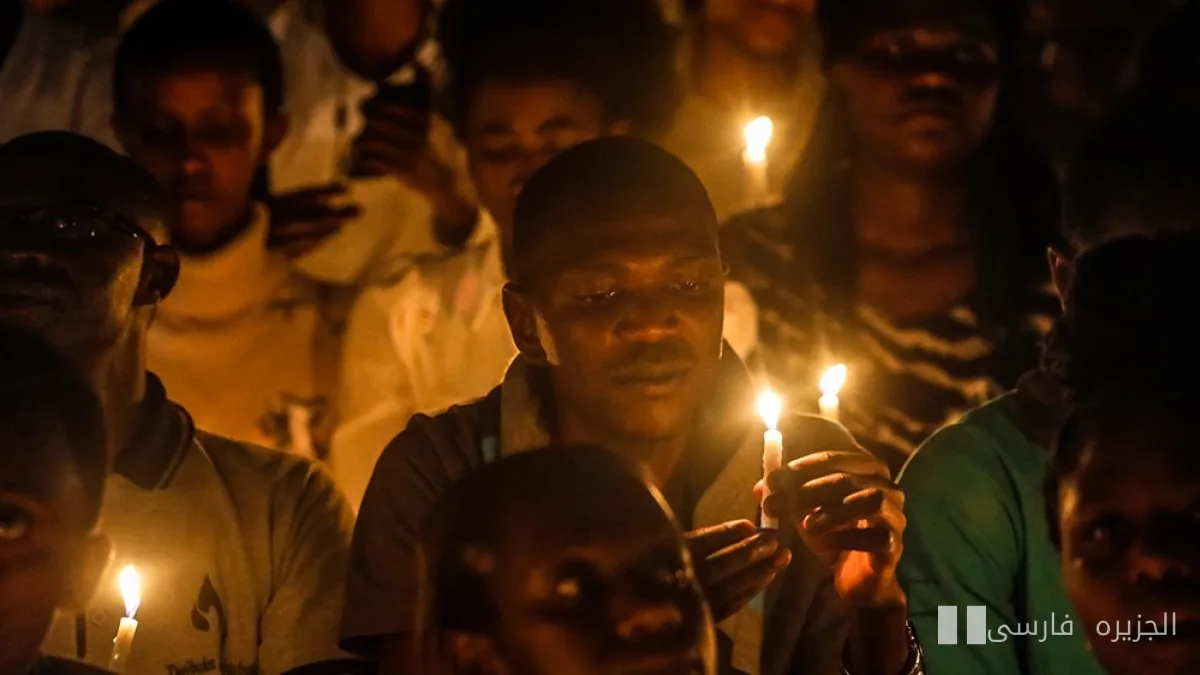
In the heart of Africa, the two ethnic groups, Hutu and Tutsi, have historically been recognized as symbols of tension and conflict. These two groups have faced each other not only due to ethnic differences but also because of a colonial legacy that still casts a shadow over Rwandan society. The history of this separation dates back to the Belgian colonial period when divide-and-rule policies exacerbated the differences between these two groups.
Colonial Legacy and Its Impacts
The Belgians ignited the flames of conflict by creating artificial distinctions between the Hutus and Tutsis. This categorization based on physical and economic characteristics not only contributed to ethnic tensions but also led to the formation of conflicting identities. Over time, these colonial policies resulted in bloody conflicts and genocide that peaked in the ۱۹۹۰s.
The separation of Hutus and Tutsis is such that each of these groups has sought to strengthen its identity against the other. These conflicts have not only influenced Rwanda's domestic policies but have also shaped the international relations of the country. After the genocide, efforts were made for reconstruction and reconciliation, but the deep wounds of this conflict still remain in the heart of Rwandan society.
Challenges Ahead and the Future of Rwanda
Today, Rwanda faces multiple challenges. Many people still struggle with the psychological and social impacts of this separation. While the government is attempting to mend relations through reconciliation and solidarity policies, the effects of this separation are still evident in the daily lives of the people.
Overall, the story of the Hutus and Tutsis is one of a heavy legacy and deep conflicts that continue to influence the identity and future of Rwanda. Will this country be able to move past this tense history and towards a brighter future?