الجزارا فارسی
روایت خاورمیانه
الجزارا فارسی
روایت خاورمیانه 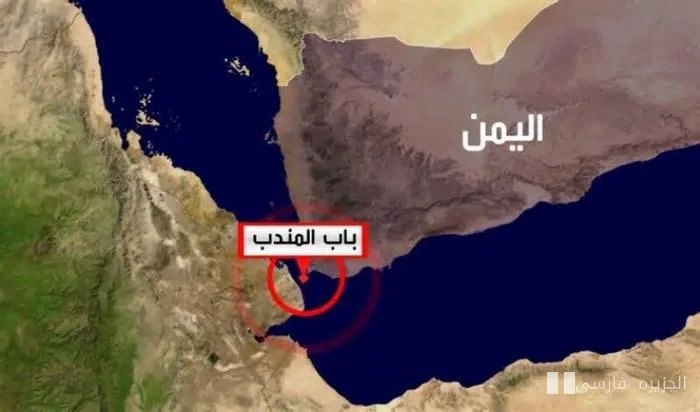
The recent successes of the Yemeni army in the western coastal areas and the strengthening of control over the Bab-el-Mandeb Strait in the Red Sea clearly indicate a strategic transformation in this waterway in favor of the Sana'a government. These changes are significant not only militarily but also politically, causing serious concerns for Tel Aviv.
Fear of the Houthis and Its Consequences
Analysts believe that the Houthi control over this strait could serve as a trump card in regional equations. The Bab-el-Mandeb Strait, considered one of the key waterways in the world, plays a crucial role in global trade and energy transfer. With the increasing power of the Houthis in this region, Tel Aviv and its allies are seriously concerned about losing control over this strategic waterway.
These developments demonstrate the Yemeni determination to preserve their territorial integrity and national interests against external threats. The Houthis have succeeded in strengthening their position in this strait by employing modern military strategies and advanced technologies. The expansion of Houthi influence in Bab-el-Mandeb could lead to deeper changes in the political and security dynamics of the Middle East.
Global Consequences of Houthi Control
Given these developments, reactions from global and regional powers are expected. Any unrest in this region will have serious impacts on energy markets and maritime security. In particular, Tel Aviv, which has always sought to maintain its interests in this waterway, will face new challenges.
Overall, the Houthi control over the Bab-el-Mandeb Strait is not only seen as a symbolic victory for the Yemenis but could also become a turning point in the contemporary history of the Middle East. In this context, it remains to be seen how Tel Aviv and other regional players will react and whether these developments could lead to a change in power equations.